
Vandaag of morgen in huis

Kwaliteit gegarandeerd

Welkomstaanbiedingen ontgrendelen: GRATIS bezorging | Tot 80% korting | Gratis 30 dagen JoyPlus-proefperiode
Download de app
Buying a new pair of running shoes sounds simple, until you have to choose between cushioning, stability, grip, weight and fit. Marketing copy often highlights terms such as “energy return” or “maximum performance”, but those words mean little if the shoe is not suited to your running route and how you use it.
The most common wrong purchases stem from three pitfalls:
The midsole largely determines how the shoe feels. EVA foam, Dreamstrike, Cloudfoam, Bounce and a brand-specific BOOM foam are different constructions, each offering its own balance of softness, stability and responsiveness.
For daily training running shoes, consistent cushioning is often practical. If you mainly do short intervals or speed training, you may prefer a lighter, more direct shoe. For longer distances, such as marathon training, comfort and good pressure distribution are more important than low weight alone.
Bear in mind that brands’ product claims do not automatically mean the same results for every runner. According to adidas product information, certain midsoles are designed to provide responsive cushioning; this is a product specification, not a guarantee of personal running performance.
A mesh or textile upper can support airflow and keep weight down. Also check:
There are often separate models for men’s running shoes and women’s running shoes. That does not mean every man or woman should automatically wear a particular model. Foot width, instep height and personal preference are more important than the label.
For Dutch urban routes, running shoes for road running usually have a flatter rubber tread. A rubber outsole can help with durability and grip, but the tread should suit the surface.
For wet cycle paths, paving stones or park trails, running shoes with good grip are a logical choice. Muddy off-road trails require a different tread from a run on tarmac. An all-terrain model is more versatile, but may feel different on smooth tarmac from a dedicated road-running shoe.
The selection below is based on the stated materials, sole constructions, sizes and use scenarios in the product information. Before buying, check the current stock, available size and full product specifications on the product page.
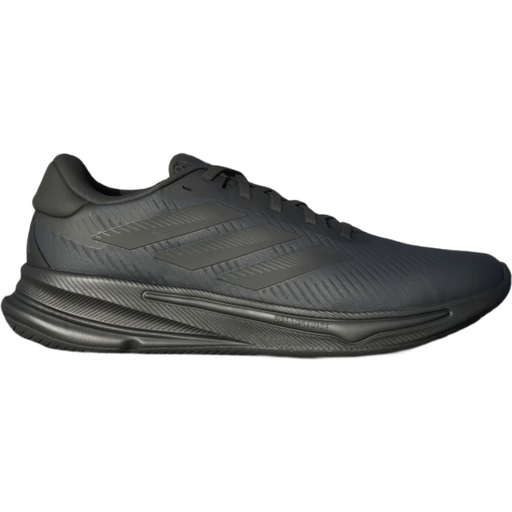
Why it suits this profile: According to the product information, this model is designed for short to medium distances and for building a consistent running routine. The full Dreamstrike midsole and regular fit suit beginners looking for a straightforward everyday model.
It is not an ordinary lifestyle trainer: the product description mentions a Dreamstrike midsole, breathable mesh and rubber lugs on the outsole. However, check that the available EU size matches your foot length.
Dreamstrike foam, mesh upper, lace fastening and rubber outsole. Suitable for short to medium daily training sessions.
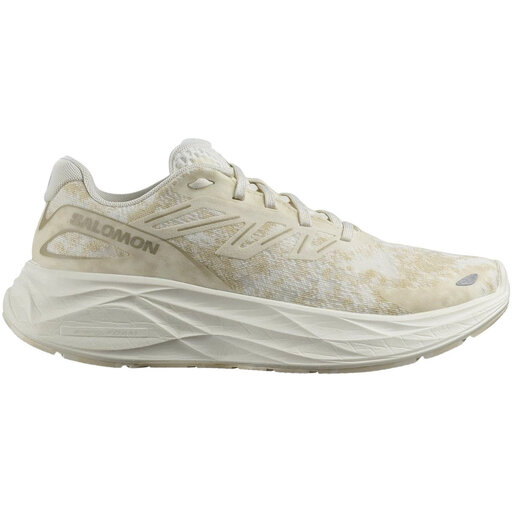
Why it suits this profile: According to the product information, this women’s version is designed for hard surfaces, urban routes and daily training. The thick rubber sole, soft textile lining and lace fastening are relevant for anyone who values comfort and a stable feel on tarmac.
The product information specifies use on hard surfaces and mentions a rubber sole with grip and cushioning. This makes its intended use clearer than that of a general trainer.
Synthetic and textile upper, soft lining, thick rubber sole and women’s model in size 39 1/3.
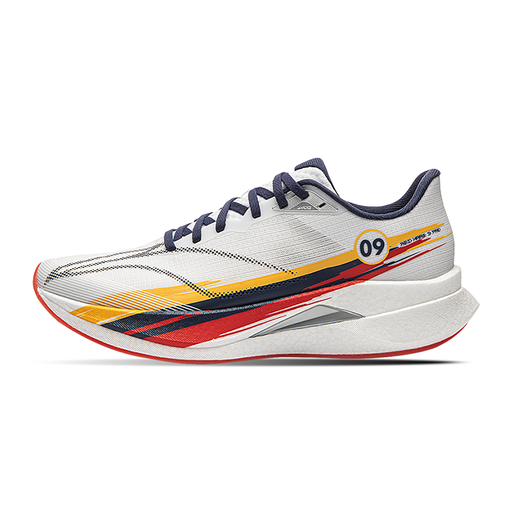
Why it suits this profile: According to the product information, this Li-Ning model has a wider last, dual-layer BOOM midsole, rocker shape and GCR rubber outsole. That makes it suitable for runners who combine high mileage, faster sessions or different surfaces.
The wider last means you are not limited to choosing a narrow fit. The stated grip and cushioning percentages are claims from Li-Ning’s product information and are not guaranteed for every user.
BOOM midsole, widened base, woven BOOM FIBER upper and GCR outsole. The product variant is listed in EU size 43.
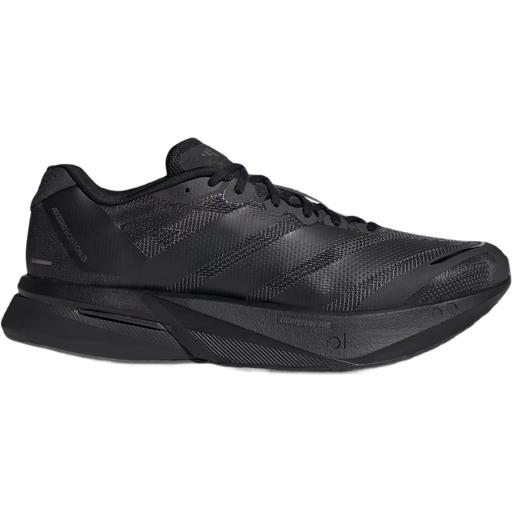
Why it suits this profile: According to the product description, these adidas running shoes are designed for intensive training and race preparation. The lightweight textile upper, Lightstrike Pro, ENERGYRODS and Lighttraxion outsole are intended to provide a fast, responsive running experience.
Its intended use is clearly defined as speed training and race preparation. This means you are not buying a soft all-rounder when you are actually looking for a more responsive model.
Lightstrike Pro midsole, ENERGYRODS, breathable textile and Continental Rubber at the forefoot. This variant is listed in size 43 1/3.
We have compiled a complete, up-to-date list of products that fully meet these strict selection criteria and the applicable European safety regulations.
Measure your foot at the end of the day, when feet often take up slightly more room. Compare the measurement with the size chart for the specific model. A roomier forefoot is comfortable over long distances, while a racing model generally has a closer fit.
Clean running shoes with a damp cloth and mild cleaning solution. Do not wash them in the machine, and leave them to air-dry away from radiators and direct sunlight. If you use them intensively, consider alternating between two pairs so the materials have time to recover.
Lifespan depends on body weight, running style, surface, care and the number of kilometres run each week. Do not replace a pair solely based on a fixed timeframe. Look out for visibly smooth rubber, a midsole that has collapsed unevenly, seams coming away or a fit that has noticeably changed.
There is no universal mileage limit. Check the outsole and midsole regularly. With lots of road mileage, rubber and cushioning generally wear faster than with limited recreational use.
No. Comfort depends on fit, running style, surface and personal preference. A technical model with a carbon plate or extra responsiveness may be less suitable for relaxed daily training. Compare the construction with how you actually plan to use the shoes.
You can if the models have a durable outsole and a fit you find comfortable. Bear in mind that everyday use puts more strain on the materials. If you use the same pair for commuting and training, check the sole and upper more frequently.
