
Vandaag of morgen in huis

Kwaliteit gegarandeerd

Welkomstaanbiedingen ontgrendelen: GRATIS bezorging | Tot 80% korting | Gratis 30 dagen JoyPlus-proefperiode
Download de app
Buying a new pair of running shoes seems simple, until you have to choose between models featuring cushioning, Bounce foam, EVA, mesh, trail outsoles and different fits. A catchy product name doesn’t automatically mean a shoe is right for your feet or running route.
There are three common pitfalls for runners in the Netherlands:
The midsole has a major influence on how a shoe feels when you run. Models with EVA, Cloudfoam, Dreamstrike or Bounce foam are designed to provide cushioning or a springier feel. That doesn’t mean one type of foam will suit every runner.
For short runs, walking and everyday wear, a comfortable, soft midsole can feel pleasant. For longer distances or a faster pace, you may prefer a lighter, more responsive feel. Also check whether the description mentions a full-length midsole or just extra cushioning at the heel.
A breathable running shoe often has a mesh upper. This material generally lets more air through than synthetic leather, making it a comfortable choice for warm-weather runs. Mesh offers less protection from rain and sharp branches, though.
Synthetic materials are easy to clean with a damp cloth, making them practical for everyday wear. Don’t put running shoes in the washing machine without checking first: several product descriptions recommend cleaning them by hand and leaving them to air-dry, away from direct heat.
Look beyond the appearance of the outsole and check its tread and material. Road running shoes usually have a flatter or more even rubber tread. For woodland paths, rocks and mud, trail running shoes with deeper lugs and a sturdier upper are a more logical choice.
A waterproof membrane, such as GORE-TEX on certain models, may offer protection in wet conditions, according to the product information. It doesn’t automatically make a shoe suitable for every surface. Stability, grip and fit are just as important.
Measure both feet at the end of the day, preferably wearing the socks you use for exercise. Use the longer foot as your guide and compare the measurement with the specific size chart for the model.
Look out for the following:
The same basic checks apply to women’s and men’s running shoes. Differences often come down to the available sizes, lasts and colour options, rather than a hard-and-fast rule that a particular model suits every man or woman.
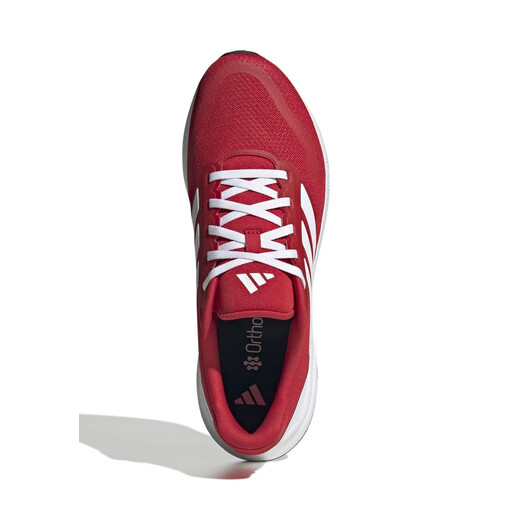
Why it suits this type of runner: According to the product information, this model is designed for everyday running and short road distances. Its mesh upper and Cloudfoam midsole make it a good match if you’re after an accessible shoe for walking, building up gradually and short training sessions.
The product description clearly states that it’s for road training and distances of 0–10 km. This helps you avoid buying a trail shoe if you’ll be running exclusively on tarmac.
Mesh upper, Cloudfoam midsole, Ortholite sockliner and Adiwear rubber outsole.
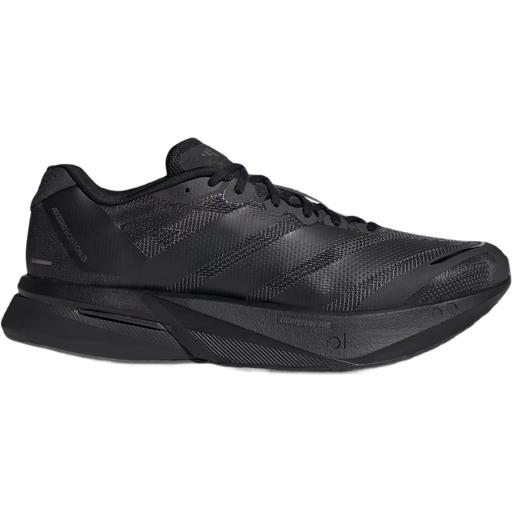
Why it suits this type of runner: A good choice for runners focused on pace training who want a lightweight, breathable model. According to the product information, this shoe is designed for intensive training in preparation for a race.
Its intended use is clearly defined: pace and intensive training. This makes it less likely that you’ll choose a race-focused model for casual wear only.
Lightstrike Pro, ENERGYRODS, a textile upper and Lighttraxion outsole with Continental Rubber, according to the product description.
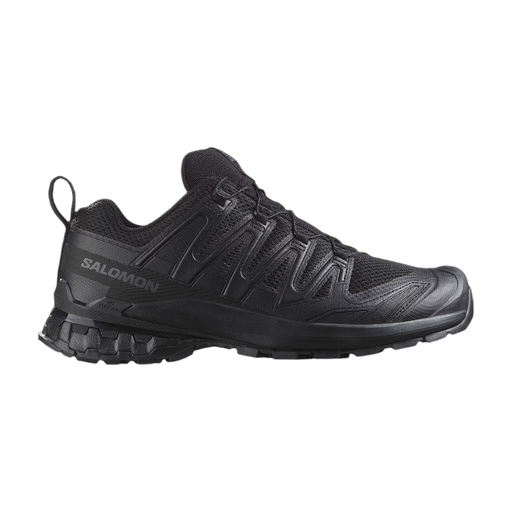
Why it suits this type of runner: This trail running shoe is designed for walks, technical trails and rough terrain. Its combination of GORE-TEX, 3D Advanced Chassis and Contagrip is well suited to users who value grip and support.
Its intended use and terrain are clearly stated. This helps you avoid wearing a lightweight road running shoe on technical paths where more grip and protection may be needed.
GORE-TEX membrane, Quicklace, 3D Advanced Chassis and Contagrip rubber, according to the product information.

Why it suits this type of runner: An option for anyone who switches between city streets, paved paths and light trails. The product information lists a mesh and woven upper, an EVA midsole and a ROCKYTEC outsole.
The description lists standard and slim-fit options. This gives you more to go on when choosing a fit than a general label such as “unisex” alone.
Lightweight mesh, EVA foam, a hard-wearing upper and ROCKYTEC rubber, according to the product information.
We’ve put together a complete, up-to-date list of products that meet these strict selection criteria and comply with the applicable European safety regulations.
Their lifespan depends on how often you run, your body weight, the surface, how well you care for them and how much the outsole has worn. Look out for flattened lugs, cracks, a midsole that stays compressed or less stable support. There’s no set mileage limit that applies to every shoe and runner.
No. The right choice depends on fit, terrain, cushioning and how often you use them. A lightweight road shoe may be impractical on muddy paths, while a sturdy trail shoe may feel unnecessarily robust for a gentle walk on the street. Compare the specifications rather than looking at price alone.
Yes, as long as they fit comfortably and the outsole is suitable for the surface. Models such as adidas Run 70s, Skechers trainers and some PUMA trainers are also designed for everyday wear, according to their product descriptions. For intensive running, it’s worth checking that the shoe offers enough cushioning, grip and support.
