
Vandaag of morgen in huis

Kwaliteit gegarandeerd

Welkomstaanbiedingen ontgrendelen: GRATIS bezorging | Tot 80% korting | Gratis 30 dagen JoyPlus-proefperiode
Download de app
A pair of running shoes may look lightweight, comfortable and technical in photos, but that does not tell you everything about using them in the Netherlands. A shoe that feels great on tarmac may fall short on wet woodland paths. And a model with plenty of cushioning will not automatically feel right for every foot.
The most common purchasing mistakes come down to three pitfalls:
So do not base your choice solely on appearance or a brand name. Look at the construction, the surface you will be using them on and your own needs.
The midsole largely determines how the shoe feels. EVA foam is often used for cushioning and resilience. Other options, such as Bounce 2.0, Cloudfoam and Energy Foam, are brand names for specific foam constructions.
According to the relevant brands’ product descriptions, these materials provide a soft or responsive running experience. This is a product claim, not a guarantee that every runner will have the same experience. Pay particular attention to:
Lightweight running shoes are useful if you prioritise a flexible feel and low weight. For longer distances or hard surfaces, a more structured model and cushioned running shoes may feel more comfortable.
For road training, a flatter rubber tread is usually sufficient. On mud, wet leaves, loose stones and sand, you will benefit more from sports shoes with good grip. Trail running shoes therefore often have a deeper tread and a rubber outsole designed for changing surfaces.
Look out for the difference between:
A deep tread can feel less smooth on smooth tarmac. So do not automatically choose the most aggressive outsole.
Ideally, measure your foot at the end of the day while wearing the socks you intend to run in. Then compare the foot length with the size chart on the product page. Leave some room around the toes for running, but make sure your heel does not slip.
A breathable sports shoe with mesh will generally release heat and moisture more easily than a fully enclosed upper. This can be useful during warm training sessions. A waterproof membrane, such as GORE-TEX, protects against wet conditions according to the product description, but may feel warmer and will not dry indefinitely quickly if water gets in through the opening.
For walking and outdoor activities, stable running shoes or specific outdoor shoes can be a practical middle ground. For relaxed walks, walking shoes with a firmer tread may be a better fit. Casual trainers are suitable for everyday use, but not automatically for running training.
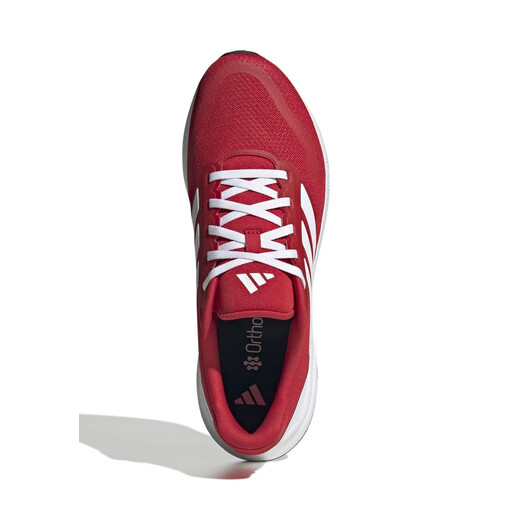
Why it suits this profile: An accessible choice for short road runs and everyday sports use.
The product description specifically mentions a mesh upper, Cloudfoam midsole and Adiwear outsole, rather than relying solely on general comfort claims.
Mesh for ventilation; Cloudfoam midsole; Adiwear rubber outsole; stated fit for runs of 0–10 km.
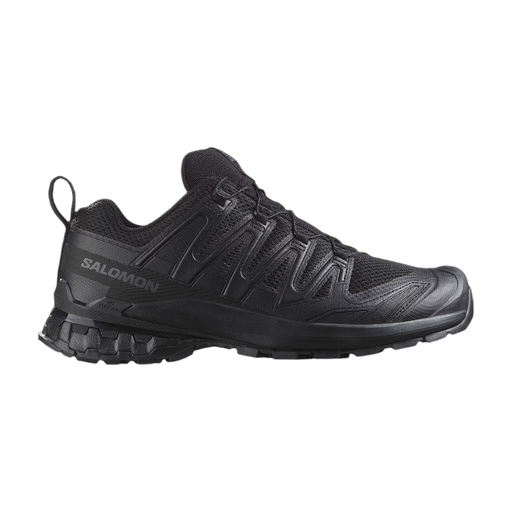
Why it suits this profile: Designed for trail running, walking and wet outdoor conditions where protection and stability matter.
The technical features are clearly specified: GORE-TEX membrane, 3D Advanced Chassis, Quicklace and Contagrip outsole.
Waterproof membrane according to the product description; stability construction; Contagrip rubber outsole; reinforced toe and heel.
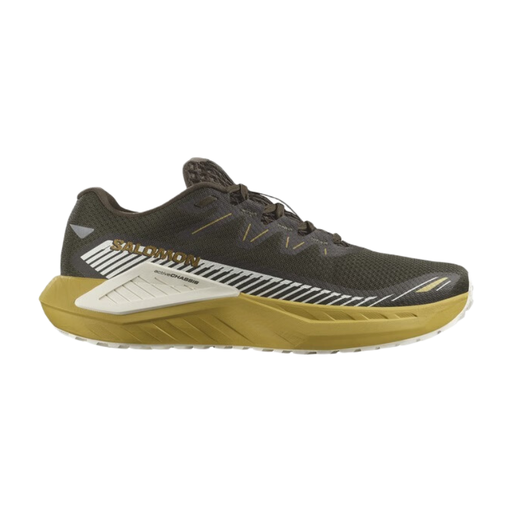
Why it suits this profile: An option for runners and walkers who regularly combine gravel, mixed paths and uneven terrain.
The outsole and support are linked to a clear scenario: gravel and mixed terrain, rather than just general outdoor terminology.
Active Chassis support; Energy Foam midsole; All Terrain Contagrip rubber; mesh upper with ventilation.

Why it suits this profile: Suitable for anyone switching between city roads, hard paths and light trails who values ventilation.
The product information specifies the material, midsole, outsole type and standard or narrow fit. However, check which version you are ordering.
Sandwich mesh and woven upper; flexible EVA midsole; ROCKYTEC rubber outsole; sizes available from 39 to 45.
We have put together a complete, up-to-date list of products that fully meet these strict selection criteria and the applicable European safety regulations.
Always check these points before ordering:
Children have additional practical requirements. According to the product description, the New Balance PC574 uses a hook-and-loop fastening, EVA midsole and rubber outsole with tread. This makes this type of children’s shoe practical for school and play, but the size should be checked regularly as children’s feet grow.
Their lifespan depends on body weight, running style, surface, care and frequency of use. Do not judge them by appearance alone. Look for a worn-smooth tread, compressed cushioning, cracks in the upper or a heel that no longer fits securely. With intensive use, a pair may need replacing sooner than if it is used for occasional walks.
Yes, provided the fit and outsole are suitable for the surface. Lightweight running shoes can be comfortable for walks around town. For rocky paths, mud or long walks with a rucksack, dedicated walking shoes often provide more protection and support. A trail model is a practical choice for mixed routes, but may feel less smooth on tarmac.
Always follow the label and product page instructions. Many models must not be put in the washing machine. Remove dirt with a soft brush or damp cloth, use mild soapy water and allow the shoes to dry at room temperature. Avoid radiators, hairdryers and direct sunlight; heat can damage glue, foam and other materials.
