
Vandaag of morgen in huis

Kwaliteit gegarandeerd

Welkomstaanbiedingen ontgrendelen: GRATIS bezorging | Tot 80% korting | Gratis 30 dagen JoyPlus-proefperiode
Download de app
Choosing a new pair of running shoes often seems straightforward. Yet many buyers run into the same problems: shoes that feel too narrow, insufficient grip on wet paths, or a pair that ends up being used mainly as casual trainers after a few months because running in them is uncomfortable.
Marketing copy often focuses on terms such as “extra cushioning”, “lightweight” or “suitable for all terrains”. These words only mean something when you relate them to how you use the shoes yourself. With these checkpoints, you can compare running shoes based on verifiable features rather than just the brand or appearance.
Running shoes for asphalt usually have a relatively flat tread and a construction designed for hard, even surfaces. Trail running shoes, on the other hand, need a lugged sole for mud, sand and loose stones. An aggressive trail tread can feel less smooth on asphalt and may wear more quickly.
A thick midsole does not automatically make a shoe comfortable. If the heel slips, your toes touch the front or the forefoot feels cramped, the fit is still unsuitable. Width, instep height and shape can vary between models, particularly among women’s and men’s running shoes.
According to the manufacturer’s product information, a GORE-TEX membrane can help keep water out, but it does not make a shoe suitable for prolonged immersion. Water can also enter through the ankle opening. In addition, a waterproof shoe often breathes differently from an open-mesh model. Therefore, choose waterproof trail running shoes primarily for wet paths and rainy conditions, rather than as a standard solution for every training session.
Look at the type of sole and the shape of the tread:
Products featuring terms such as Contagrip, Adiwear, ROCKYTEC or a rubber outsole are described in the product information as having specific grip or wear-resistance properties. Always check that these features suit the surface you will be running on. “Good grip” on wet rocks does not automatically mean the same grip on smooth tiles.
The midsole largely determines how the shoe feels under your foot. Commonly used materials and technologies include:
Consider the balance between the two. Lightweight running shoes often feel agile, while extra cushioning can add a little more volume and weight. A simpler model may be enough for short asphalt training sessions; for longer distances or everyday use, a more comfortable midsole may be more practical.
Measure both feet at the end of the day, preferably while wearing the socks you use for running. Compare your foot length with the size chart for the specific model. An EU size is not identical across every brand.
Also check that you have:
For children, sturdy kids’ trainers with a flexible sole and secure fastening are often more suitable than adult running shoes. According to the product information, the Skechers models below have a hook-and-loop fastening and a regular fit.
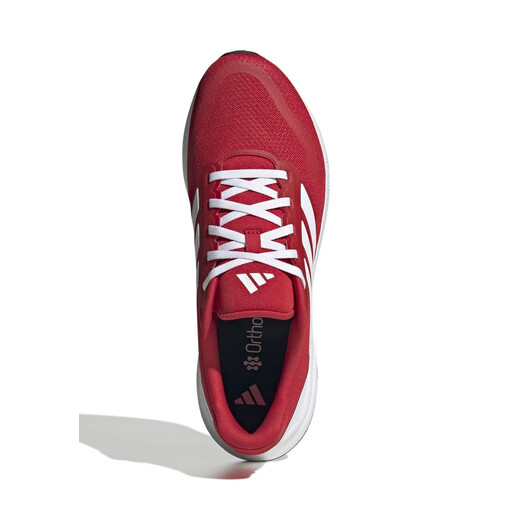
Why it suits this profile: A practical model for beginner runners and short asphalt training sessions of 0 to 10 km. The lacing allows you to adjust the fit.
The product information explicitly mentions road and short-distance running, making its intended use clearer than a model relying solely on general marketing language.
Cloudfoam midsole, mesh upper and Adiwear outsole according to the product description.
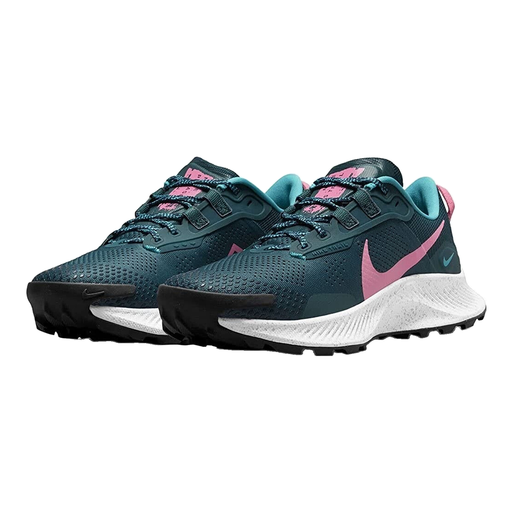
Why it suits this profile: Designed for runners who combine city and trail routes and do not want to change shoes for every route.
The description mentions both urban surfaces and trails. This makes the intended use more specific than claiming that a shoe can “handle everything”.
React foam midsole, mesh upper and rubber sole with multidirectional lugs according to Nike’s product information.
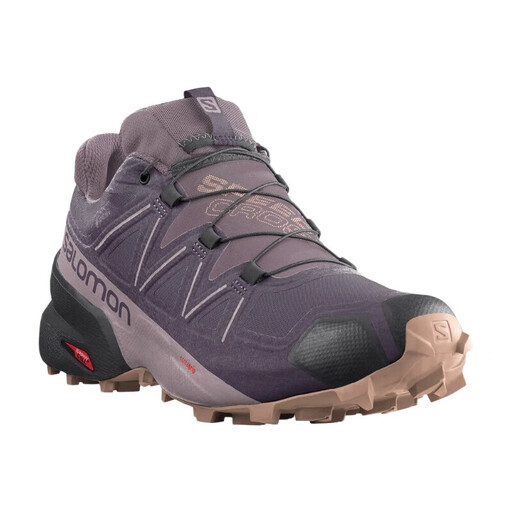
Why it suits this profile: A women’s model for muddy and mixed trails, particularly when rain and soft ground are common.
The deep Contagrip grooves are designed for softer terrain. According to Salomon, the GORE-TEX membrane is listed for water resistance, not as a guarantee against every type of moisture.
GORE-TEX membrane, Quicklace fastening and EnergyCell+ midsole according to the product description.
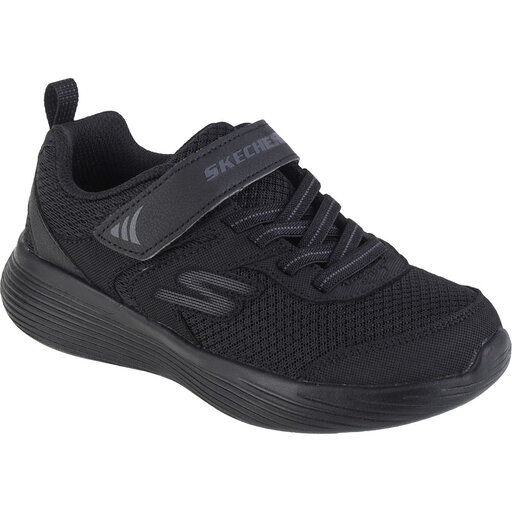
Why it suits this profile: For school, play and sport, children’s trainers with a regular fit and hook-and-loop fastening are practical.
The sizing information states that the shoes have a regular fit and recommends choosing the usual size. However, always check your child’s foot length.
Breathable mesh upper, rubber sole and hook-and-loop fastening according to the product details.
Lifespan depends on body weight, running frequency, surface and storage. An asphalt model used every day on rough paths will wear differently from a shoe used for gentle walks. Look out for unevenly worn soles, permanent creasing in the midsole and reduced support around the heel.
Clean your shoes according to the label. Many models should not be put in the washing machine. Allow wet shoes to air-dry and avoid direct heat, as it can damage glue and synthetic materials. Alternating between two pairs gives the materials more time to recover, but does not extend their technical performance indefinitely.
We have put together a complete, up-to-date list of products that fully meet these strict selection criteria and the applicable European safety regulations.
There is no fixed timeframe for every pair. Pay particular attention to wear on the outsole, the shape of the midsole and the fit. With frequent use, a pair may need replacing sooner than one used for recreational running.
They can be, as long as the fit and sole suit your activities. Models with a soft midsole are often comfortable for walking and asphalt, but a trail model with deep lugs is less suitable for exclusive use in the city.
Yes, this is usually possible for short stretches. However, an aggressive tread can feel less smooth on asphalt and may wear more quickly. If you mainly run on paved routes, it is better to choose running shoes for asphalt or a model with a moderate tread.
