
Vandaag of morgen in huis

Kwaliteit gegarandeerd

Welkomstaanbiedingen ontgrendelen: GRATIS bezorging | Tot 80% korting | Gratis 30 dagen JoyPlus-proefperiode
Download de app
Buying the right running shoes seems simple, until you have to choose between cushioning, weight, grip and fit. A shoe that feels comfortable on a short walk may feel different during a longer training run. Marketing terms such as “extra light”, “maximum cushioning” or “suitable for all terrain” only tell you so much until you check the specifications behind them.
This guide from the Joybuy Product Recommendation Officer will help you compare men’s and women’s running shoes based on how you’ll use them, their materials and their sizing. That way, you can avoid buying a pair that ends up at the back of the cupboard after a few runs.
Adidas running shoes, PELLIOT models and LI-NING shoes may each serve a different purpose. An attractive design tells you nothing about the width of the last, the type of sole or the surface the shoe is made for. So, check the product details first, then consider the colour or brand.
A soft midsole can feel comfortable, but not every runner wants the same level of stability or flexibility. You’ll want a different balance for everyday use on tarmac than for a wet woodland path. Check which foam is used in the midsole and which distances or surfaces the manufacturer recommends the shoe for.
European sizes aren’t identical across every model. The product information may give a foot length in centimetres or millimetres, for example. Measure both feet at the end of the day, use your longer foot as a guide and leave some room around your toes. Shoes that are too short may become uncomfortable on longer runs, while a heel that’s too loose can slip.
The midsole largely determines how a shoe feels. Common materials and technologies include EVA, Cloudfoam, Dreamstrike, Lightstrike Pro and Bounce. These are brand technologies, so focus on how they’re intended to perform:
Claims about energy efficiency, protection or reducing the risk of injury are made by the brand. A brand may refer to its own research or product description when making these claims, but they’re no guarantee of how the shoes will feel for you.
A mesh upper generally lets more air through than a fully enclosed synthetic material. This makes breathable running shoes worth considering for indoor training, warm days or longer distances. Check whether the upper also has reinforcements, a lining or a TPU film. These components can affect durability, but may also reduce flexibility.
A rubber outsole with a relatively flat tread is often enough for tarmac. Deeper lugs and a more pronounced tread are more useful on sand, mud or wet woodland paths. If you’re looking for running shoes for roads and trails, pay particular attention to the combination of:
Terms such as ROCKYTEC, Adiwear, GCR or Continental rubber come from the brand’s product information. Always check that the specific version you’re considering actually has that outsole.
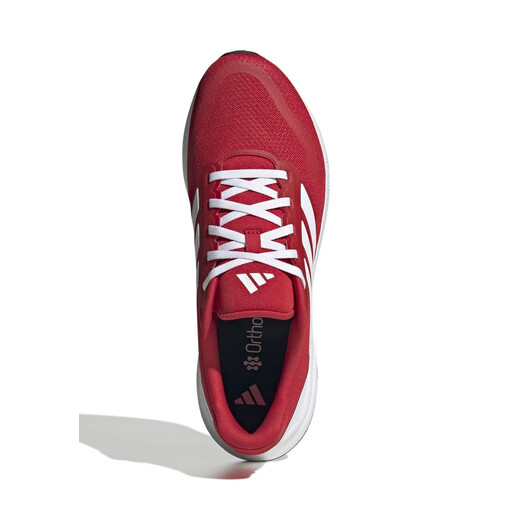
Why it suits this type of runner: The product description says this model is suitable for road training and short distances of 0–10 km. The combination of mesh, Cloudfoam and an adjustable lace fastening makes it a good option if you’re looking for a pair for both running and everyday use.
The product details specify a Cloudfoam midsole, mesh upper and Adiwear outsole. So, you don’t have to rely on appearance alone.
Cloudfoam cushioning, breathable mesh, an Ortholite insole and an Adiwear rubber outsole.
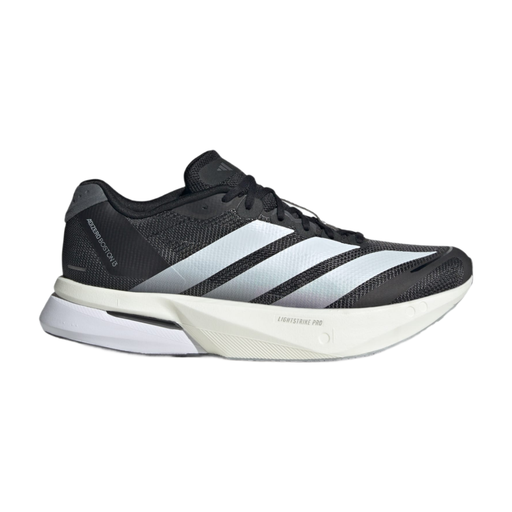
Why it suits this type of runner: According to the product information, this model has a Lightstrike Pro midsole, mesh upper and Continental rubber outsole. It’s worth considering if you want to compare performance specifications for training and racing.
The choice is based on named materials and construction, rather than general claims such as “faster” or “lighter” without further explanation.
Lightstrike Pro, mesh with synthetic reinforcements, a lace fastening and Continental rubber, according to the product description.

Why it suits this type of runner: The product description focuses on road-to-trail use and specifies a sandwich mesh upper, EVA midsole and ROCKYTEC rubber. It’s a good fit for runners who switch between city streets, gravel and woodland paths.
Rather than relying on a broad claim about where the shoe can be used, you can match its sole and upper to the surfaces you actually run on.
Lightweight mesh, highly elastic EVA and ROCKYTEC rubber; available in standard and slim fits according to the product information.
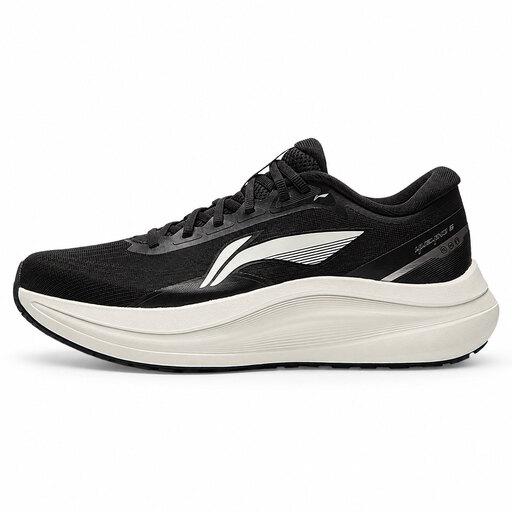
Why it suits this type of runner: According to the product details, this model has a wider toe box, a widened heel and a Tempo Bounce midsole. It may suit runners looking for a less restrictive fit.
The wider last is clearly specified. Still, check your foot length and fit preference, as extra room isn’t necessary for every foot.
Full-length Tempo Bounce, a wider toe box and a rubber outsole with grip zones, according to the product description.
We’ve put together a complete, up-to-date list of products that meet these strict selection criteria and comply with the applicable European safety regulations.
When trying on running shoes, wear the socks you usually run in. The heel should feel secure without pressure, and your toes should be able to move. Don’t rely on the size on the label alone: compare it with the stated foot length too. Models such as PELLIOT give measurements in millimetres; adidas may list centimetres and European sizes.
Clean your shoes with a damp cloth, unless the product label gives different instructions. Several of the models mentioned shouldn’t be machine-washed and should be left to air-dry, away from direct heat. Alternate between pairs if you run several times a week. Replace your shoes when the sole shows clearly uneven wear, the upper starts to come away or the cushioning feels noticeably different. There’s no set mileage limit that applies to every runner, as weight, surface, running style and care all make a difference.
It depends on how you use them, your body weight, the surface you run on and how well you care for them. Don’t look only at the number of kilometres. Uneven wear, a smooth tread, cracks or a compressed midsole are practical signs that it may be time for a new pair.
They can be, but fit and stability are still more important than the amount of foam alone. For everyday running shoes on tarmac, the right size, a comfortable upper and a suitable rubber outsole are just as important.
A hybrid model may be enough for light gravel paths. On mud, wet rocks or technical terrain, trail running shoes with a pronounced tread generally offer more grip. Always check the outsole description and choose shoes suited to the surfaces you run on most often.
