
Vandaag of morgen in huis

Kwaliteit gegarandeerd

Welkomstaanbiedingen ontgrendelen: GRATIS bezorging | Tot 80% korting | Gratis 30 dagen JoyPlus-proefperiode
Download de app
Running shoes may seem easy to compare at first glance. Yet many people choose a pair based on colour, brand name or a prominent claim about cushioning. This can result in shoes that feel too warm, offer insufficient grip or become uncomfortable after a short time.
The right choice mainly depends on surface, fit, cushioning, grip and frequency of use. Whether you are looking for women's running shoes, men's running shoes, trail running shoes or comfortable sports shoes for everyday use, check the specifications first and consider the appearance afterwards.
A smooth or lightly patterned rubber outsole can feel comfortable on tarmac, but it does not automatically provide enough grip on wet leaves, sand or mud. For trail running, deeper lugs and an outsole designed for loose ground are more practical.
The reverse also applies: an aggressive trail tread can feel heavier or less smooth on roads. So choose carefully between running shoes for roads and trails or a model clearly designed for one type of surface.
A soft midsole does not automatically make a shoe suitable for your foot. A shoe that is too wide can slip, while a toe box that is too narrow can put pressure on your toes. Check the length, width and room around the forefoot. Feet can also swell slightly over longer distances.
A good fit means your heel does not lift while running and your toes can still move. Try the shoes on with the socks you wear during exercise.
Waterproof running shoes, including GORE-TEX running shoes, can be useful on wet trails and in the rain. However, a membrane does not only keep water out; it can also feel warmer than an open mesh upper. For dry summer training sessions, a breathable model may therefore be the more sensible choice.
According to Salomon's product description, Speedcross models with GORE-TEX are designed to protect against wet and muddy conditions. This is a product specification, not a guarantee that your feet will remain completely dry in all circumstances. Water can, for example, enter through the ankle opening or over the top of the shoe.
Look at the material and tread pattern of the outsole. A rubber outsole with multidirectional lugs is described in the Nike Pegasus Trail 3 product information as being designed to provide grip on both rocky trails and urban surfaces. The Salomon Speedcross 5 and 6 are listed with a Contagrip outsole featuring a pronounced trail tread.
For tarmac, more even patterns are often sufficient. For woods, dunes and off-road paths, deeper grooves and hard-wearing rubber are more important. Bear in mind that terms such as “anti-slip” or “superior grip” come from the brand's product information. Assess them alongside the visible outsole pattern and your intended use.
The midsole largely determines how a shoe feels. Many models use EVA foam. Other shoes mention specific systems, such as React from Nike, Cloudfoam from adidas, ABZORB from New Balance or Zoom Air from Nike.
These names refer to branded technologies. According to the product descriptions, they are designed for shock absorption, comfort or responsiveness. However, the experience varies from person to person. If you mainly run short distances on tarmac, you may not always need a heavy shoe with lots of material. For longer training sessions, additional cushioning may feel more comfortable.
A mesh upper generally allows more air to pass through than a close-knit synthetic upper. This is practical in warm weather, but usually offers less protection from rain. Also check the fastening:
Always use the size chart for the specific model. An EU size can fit differently depending on the brand and last. Ideally, measure both feet at the end of the day and compare the longer foot with the stated foot length.
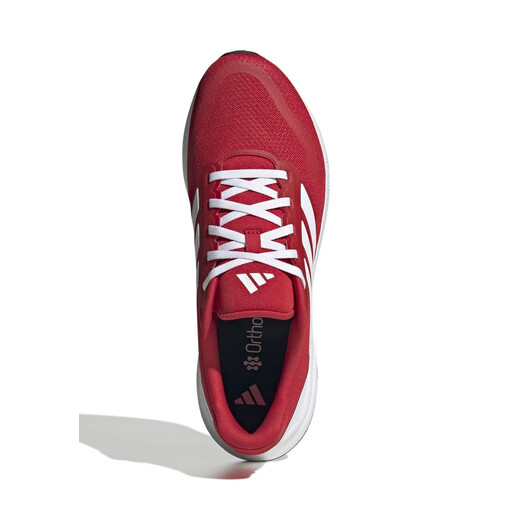
Why it suits this profile: According to the product description, this model is designed for road running and short distances of 0 to 10 km. This makes it a straightforward choice for anyone starting out at a steady pace.
Its intended use is clearly described, so you do not need to choose this model for demanding trail use.
Cloudfoam midsole, mesh upper, Ortholite insole and Adiwear outsole according to the product details.
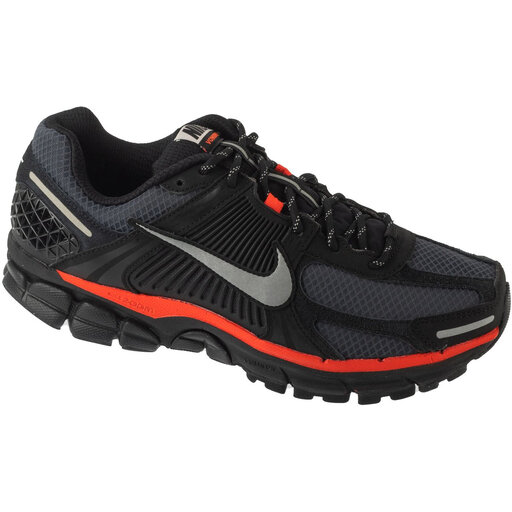
Why it suits this profile: This model combines features for active use with a design that, according to the product description, is also suitable for everyday wear.
The specifications mention both ventilation and reinforcements, rather than making only a general comfort claim.
Mesh with synthetic overlays, Zoom Air units, padded collar and rubber outsole with a waffle tread.
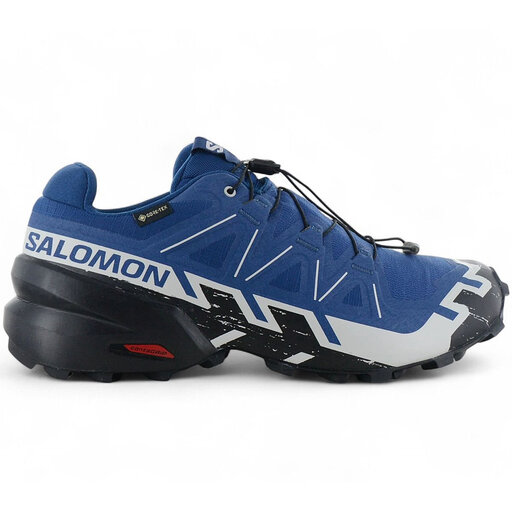
Why it suits this profile: This model is designed for trail runners who often run on soft, loose or uneven ground and want extra protection in wet conditions.
Its clearly defined trail tread prevents you from using a mainly smooth road outsole on muddy paths.
According to the product description: GORE-TEX membrane, Contagrip outsole, EVA midsole, Sensifit and Quicklace.
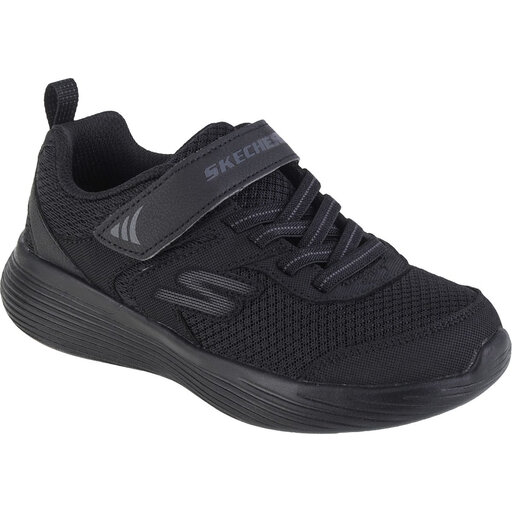
Why it suits this profile: This low-profile children's trainer has a hook-and-loop fastening, mesh upper and rubber outsole. That makes it suitable for school, play and light sporting activities.
The regular fit and hook-and-loop fastening make choosing the size and fastening straightforward for everyday use.
Breathable mesh, rubber outsole and a low-profile construction with hook-and-loop fastening according to the product details.
We have put together a complete, up-to-date list of products that fully meet these strict selection criteria and the applicable European safety regulations.
Their lifespan depends on body weight, running style, surface, storage and frequency of use. Do not focus only on the number of months; pay particular attention to visible wear. Replace a pair when the outsole is noticeably worn, the midsole has become permanently compressed or the fit feels less stable. Avoid putting shoes in the washing machine unnecessarily; follow the care label and allow them to air-dry.
They can be, as long as the fit is comfortable and the outsole is suitable for the surface. Models with mesh and a sporty midsole can also be used for walking. Trail models with deep lugs are less practical on smooth shop floors or for prolonged tarmac use. For everyday use, versatile models such as the adidas Runfalcon, New Balance U1906ROA or Nike Zoom Vomero 5 are worth considering.
Choose water-resistant or GORE-TEX running shoes especially if you often run in the rain, on wet grass or through mud. For indoor training, dry tarmac and warm weather, a breathable mesh model may feel more comfortable. Always check the product details and care advice before ordering.
