
Vandaag of morgen in huis

Kwaliteit gegarandeerd

Welkomstaanbiedingen ontgrendelen: GRATIS bezorging | Tot 80% korting | Gratis 30 dagen JoyPlus-proefperiode
Download de app
A pair of running shoes can look convincing online and still not suit the way you use them. A soft sole is not automatically suitable for long distances. A trail tread can feel awkward on tarmac. And while a waterproof shoe keeps rain out, it may feel less breathable in warm weather.
As a Joybuy Product Recommendation Officer, I filter the key product specifications according to intended use. This lets you compare women’s running shoes, men’s running shoes, trail running shoes and walking shoes based on practical features rather than just brand name or appearance.
Marketing terms such as “ultra-soft” or “maximum energy return” do not tell you how a shoe will behave during your training. Cushioned running shoes can feel comfortable for easy kilometres, but a very soft sole may feel less stable on bends, uneven ground or at a faster pace.
So pay attention to:
A model for short runs of 0–10 km is not automatically suitable as a long-distance shoe.
A flat rubber outsole is practical for tarmac, cycle paths and urban routes. On mud, wet leaves or loose stones, you will benefit more from a sole with clearly defined lugs. Trail running shoes with deep tread can feel less smooth on hard tarmac and may wear out more quickly.
If you run on both roads and unpaved paths, consider running shoes for tarmac and trails with a moderate lug pattern. For technical, soft or muddy trails, specific trail models are the more logical choice.
Sizes vary between brands, models and lasts. Always check your foot length in centimetres or millimetres and compare it with the product’s size chart. Fit is just as important as size:
If you have a wide forefoot, look for wide running shoes or a model with a roomier toe box. Choosing a larger size is not always the right solution, as this can leave the heel too loose.
The midsole largely determines how the shoe feels. Cloudfoam and Dreamstrike are mentioned as cushioning materials in various adidas models. The adidas Runfalcon 5 features a Cloudfoam midsole and an OrthoLite sockliner. According to the product information, the adidas Ultrarun 5 uses a Bounce 2.0 midsole.
Nike Pegasus Trail 3 features React foam. Its sole has multidirectional lugs, making this model suitable for a combination of urban surfaces and trails. These features tell you something about the construction, but they do not mean the shoe will suit every foot or running style.
Look at the material and shape of the outsole. According to the product description, a rubber Adiwear outsole is designed for grip and everyday use. Salomon models use Contagrip outsoles with different tread patterns. The Speedcross range has a more aggressive lug pattern for soft, muddy and technical terrain.
For a Dutch route combining tarmac, paving and woodland paths, flexibility is important. On hilly terrain, wet woodland tracks or trekking routes, grip, protection and stability are more important.
GORE-TEX shoes contain a membrane which, according to the product information for the relevant models, is designed to keep water out while remaining breathable. This makes them appealing for rainy walks, wet trails and everyday outdoor use. However, waterproof running shoes are not the same as completely sealed shoes: water can still enter through the opening or when walking through deep puddles.
A mesh upper without a membrane generally allows more direct airflow. This can feel more comfortable in warm weather or during intense training. So do not automatically choose waterproofing if you mainly run on dry tarmac roads.
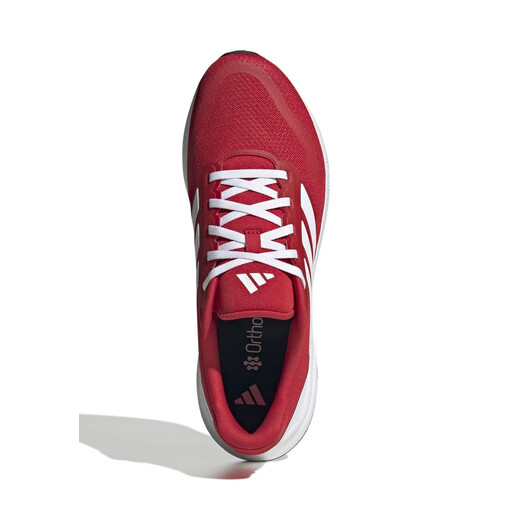
Why it suits this profile: According to the product description, this model is designed for everyday running and short distances of 0–10 km. The mesh upper and lace-up fastening suit training on tarmac and in urban areas.
The stated usage distance makes it clearer what the model is designed for. However, check the fixed size and your foot length before ordering.
Cloudfoam midsole, breathable mesh, OrthoLite sockliner and Adiwear rubber outsole.
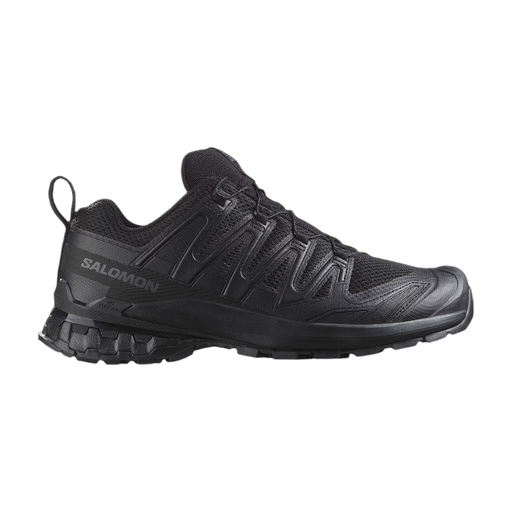
Why it suits this profile: A practical choice for anyone combining trail running and walking who values protection in changeable weather.
The GORE-TEX membrane, protective toe cap and 3D Advanced Chassis make the construction easy to assess; however, expect less breathability than with open mesh.
GORE-TEX protection, Contagrip outsole, Quicklace fastening and a stability construction for uneven terrain.
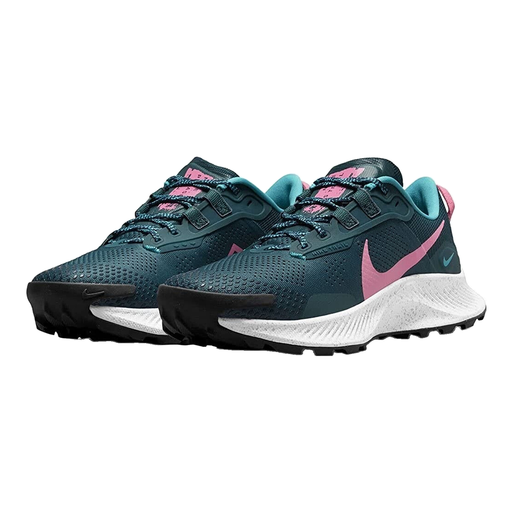
Why it suits this profile: This model is a good match for runners who alternate between urban routes and unpaved paths and do not want to buy a separate shoe for every type of terrain.
The product description explicitly mentions both urban use and trails. The multidirectional lugs provide a clearer starting point than a flat road outsole.
React midsole, mesh upper, reinforced toe and heel, and rubber outsole with multidirectional lugs.
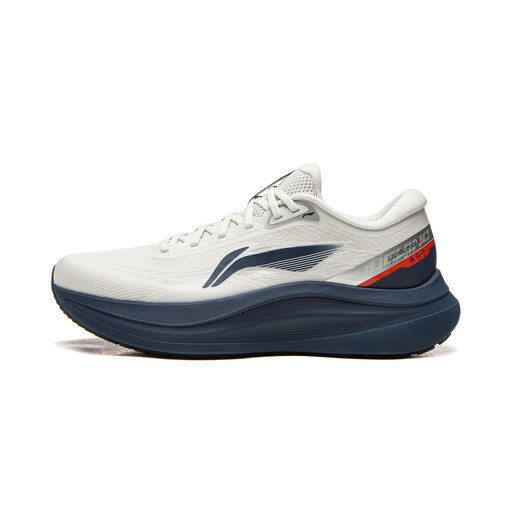
Why it suits this profile: The product information mentions a wide toe box and a non-restrictive fit. This is relevant if standard men’s running shoes feel too narrow around the toes.
A roomier toe box prevents you from simply choosing a larger size. Measure your foot and check whether the stated size is available.
Wide toe box, Tempo Bounce midsole, rubber outsole and a construction with additional heel width according to the product description.
We have put together a complete, up-to-date list of products that fully meet these strict selection criteria and the applicable European safety regulations.
Lifespan depends on body weight, running frequency, terrain and maintenance. Do not rely solely on a fixed number of kilometres. Replace your shoes when the outsole shows visibly uneven wear, the midsole appears permanently compressed or the fit noticeably changes.
Proper care extends their useful life:
Many models in this overview must not be put in the washing machine. Always check the specific product page before buying.
This varies depending on the model and how you use it. Running on tarmac every day puts different demands on the outsole than walking occasionally. Regularly check the tread, cushioning and heel construction. Wear or a changed fit are more practical indicators than the shoe’s age alone.
They can be, but cushioning alone does not determine this. For long-distance running shoes, the right fit, a stable heel, enough room for your toes and an outsole suited to your terrain are also important. Ideally, do a few shorter sessions in a new pair first.
Some models are. Look at grip, protection, flexibility and water resistance. A lightweight trail model may be suitable for woodland walks, while a mid-height GORE-TEX shoe makes more sense for trekking in wet, uneven terrain. Always check the product specifications and choose a model that suits your route.
