
Vandaag of morgen in huis

Kwaliteit gegarandeerd

Welkomstaanbiedingen ontgrendelen: GRATIS bezorging | Tot 80% korting | Gratis 30 dagen JoyPlus-proefperiode
Download de app
Running shoes may seem easy to compare at first glance. Yet many runners buy a pair that disappoints after a few training sessions. A sole may feel comfortable on roads but offer little grip on muddy paths. A lightweight mesh upper may provide good ventilation but not enough protection on a trail. An attractive price also says little about fit or intended use.
Use this practical guide to compare cushioning, ventilation, grip, fit and durability before you buy. You can then find women’s, men’s or unisex running shoes to suit your routes and how you use them.
Road running shoes are generally designed for even surfaces. Trail running shoes tend to have a more pronounced tread and an outsole designed for loose ground, wet rocks or mud. A model with a shallow tread may offer less grip on a woodland path. Conversely, an aggressive trail tread may feel less smooth on flat roads.
So first consider where you usually run: cycle paths, parks, pavements, woodland trails or a mix of surfaces.
Lightweight running shoes feel good over short and medium distances, but a low weight doesn’t guarantee enough comfort. Check the midsole material, heel support and outsole thickness too. A cushioned shoe should not be so soft that your foot feels unstable.
Sizing varies by brand and model. Measure both feet at the end of the day and compare the longer foot with the product’s size chart. Leave some room around your toes when running, especially over longer distances. A toe box that’s too narrow can also feel uncomfortable, even if the length is right.
The midsole largely determines how a shoe feels. EVA foam, Cloudfoam, Dreamstrike and Bounce are brand or material names for different constructions. According to PELLIOT’s own product information, the selected models use an elastic EVA midsole for cushioning and responsiveness. According to adidas’ own product information, models including the Runfalcon 5 and Supernova Ease feature Cloudfoam and Dreamstrike cushioning respectively.
Treat this information as a product specification, not a guarantee that every runner will have the same experience. If you mainly run at an easy pace, you may appreciate soft cushioning. If you prefer a more direct feel underfoot, you may prefer a less bulky sole.
Breathable running shoes are practical for longer training sessions and warmer weather. A mesh upper generally lets more air through than a mostly closed synthetic upper. Check the lining too: an open structure can help moisture and heat escape, but may offer less protection from rain or dirt.
According to the product information, PELLIOT’s upper is made from sandwich mesh and woven textile. Mesh uppers are also listed for several adidas models. Always check the exact version, though, as materials can vary by colour, size or variant.
For road running shoes, a rubber outsole with a relatively shallow tread is usually enough. On off-road terrain, tread depth, rubber compound and the spacing between the lugs matter more. PELLIOT’s product information lists a ROCKYTEC rubber outsole; Vibram Megagrip is specified on selected versions. These are the brand’s product specifications. Actual grip also depends on the surface, wear and weather conditions.
A standard fit suits many feet, but not everyone. If you have narrow feet, look for a slim-fit version. A model with more room around the toes may be more practical if you have a wider forefoot. Fasten the laces firmly enough around your midfoot without creating pressure points. If possible, try on new shoes with the socks you wear when running.
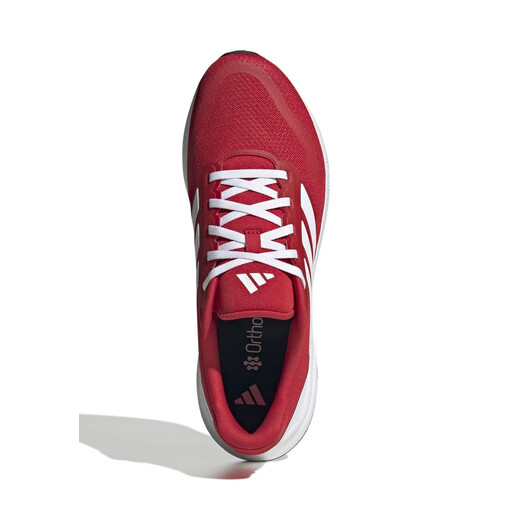
Why it suits this type of runner: A practical choice if you’re new to running on roads or covering shorter distances and want a model you can also wear every day.
According to adidas’ own product information, this model has a mesh upper, Cloudfoam midsole and Adiwear outsole. Do check that you’ll mainly be running on paved routes.
Mesh for airflow, lace-up fastening for an adjustable fit, and a version designed for short distances of up to 10 km according to the product description.
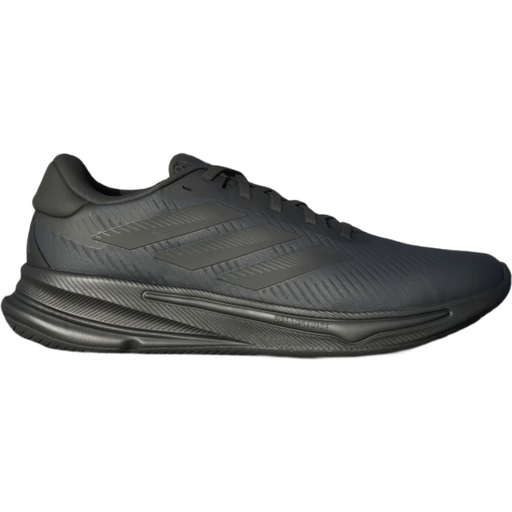
Why it suits this type of runner: Designed for runners looking for an everyday running shoe with a stable fit for short to medium distances.
According to adidas’ own product information, this model combines a breathable mesh upper with a full-length Dreamstrike midsole. This means you can check the specifications rather than choosing based on weight alone.
Regular fit, adjustable laces and rubber lugs on the outsole, according to the product information.
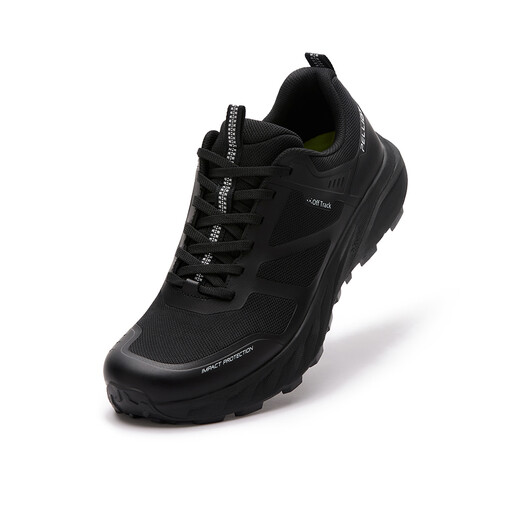
Why it suits this type of runner: For runners who combine road and off-road routes and want one versatile pair.
According to PELLIOT’s own product information, the design features mesh ventilation, EVA cushioning and a ROCKYTEC outsole. Choose the standard or slim-fit version to suit your foot shape.
Lightweight mesh and an outsole designed for wet rocks, mud and loose sand, according to the product description.
We’ve put together a complete, up-to-date list of products that meet these strict selection criteria and current European safety requirements.
Their lifespan depends on your body weight, running style, the surface, care and how often you wear them. Don’t judge by appearance alone. Check whether the tread is visibly worn, the midsole stays compressed or the shoe starts to lean to one side. If you run often, alternating between two pairs is a practical way to let each pair air and recover between runs.
For road running, choose a model with a rubber outsole, a smooth tread and cushioning that suits your preference. According to their product descriptions, the Adidas Runfalcon, Adidas Supernova Ease and similar everyday models are designed for paved routes and short to medium distances. For regular woodland or mountain trails, trail running shoes with a deeper tread make more sense.
No. A low weight can feel good, but comfort also depends on fit, cushioning, heel construction and ventilation. Compare several specifications at once and always check the size chart. That way, you can avoid choosing a lightweight shoe that doesn’t suit your running style because it’s the wrong width or doesn’t offer enough grip.
