
Vandaag of morgen in huis

Kwaliteit gegarandeerd

Welkomstaanbiedingen ontgrendelen: GRATIS bezorging | Tot 80% korting | Gratis 30 dagen JoyPlus-proefperiode
Download de app
Choosing a new pair of running shoes might seem straightforward at first. Yet many shoppers end up with shoes that feel too warm, lack grip or become uncomfortable after just a few weeks. The problem often isn’t the price, but a poor match between the shoe, your foot and how you plan to use it.
A soft shoe can feel comfortable when you try it on, but that doesn’t automatically mean it’s right for your running style. Check the material used in the midsole and the distances or surfaces the shoe is designed for. A model for short runs on tarmac may be constructed differently from a trail running shoe for muddy paths.
Adidas running shoes, Skechers trainers and other well-known models can be designed for different purposes. A lifestyle trainer with a sporty look isn’t necessarily made for regular running. Always check the fastening, sole, fit, ventilation and recommended use.
Sizes vary between brands and models. Even a size 44 shoe can fit differently depending on its shape, upper or toe box. Measure your foot at the end of the day and compare its length with the size guide. A little extra room at the toes can be useful for longer distances, but your heel shouldn’t slip as you run.
The midsole is an important feature of cushioned running shoes. EVA foam, Cloudfoam, Dreamstrike and similar materials can all affect how a shoe feels underfoot. Don’t just look at the marketing name. Check:
A very soft sole isn’t practical for everyone. If you spend a lot of time standing or walking, you may benefit from a combination of cushioning and a stable footbed.
Breathable running shoes often have a mesh upper. Mesh lets air through and can make shoes more comfortable in warm weather or during longer sessions. However, it’s worth considering the balance between ventilation and protection. A lightweight mesh upper is suited to roads and the gym, while trail running shoes often have extra reinforcement around the toes and sides.
Check the lining and insole, too. The product description may mention an Ortholite insole or a memory foam insole, for example. These are material specifications; the feel will still depend on your foot shape and socks.
The outsole affects how much grip you can expect on different surfaces. For tarmac and the gym, a rubber outsole with a relatively flat tread is often enough. For woodland paths, wet rocks and loose ground, deeper lugs and more hard-wearing rubber make more sense.
Don’t automatically use everyday sports shoes on technical terrain. A model with a smoother tread may be less suitable. Conversely, trail running shoes can feel heavier or stiffer on pavements than lightweight road running shoes.
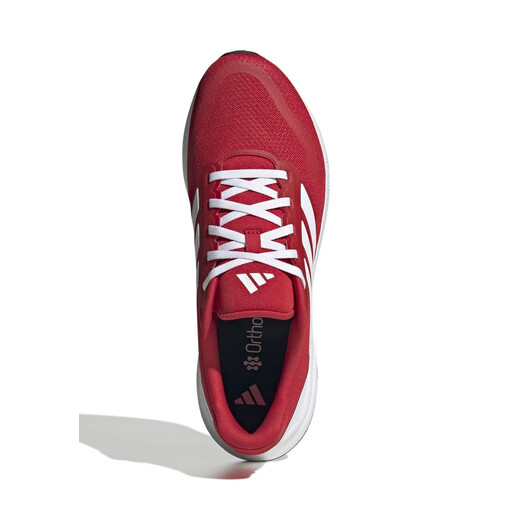
Why it suits this profile: A practical choice if you’re easing into running, walking or gym workouts and want a familiar size.
The specifications list mesh, a Cloudfoam midsole and an Adiwear outsole. This makes it easier to compare ventilation, cushioning and everyday use than judging by appearance alone.
Mesh upper, Ortholite insole according to the product information, and a lace-up fastening for an adjustable fit.
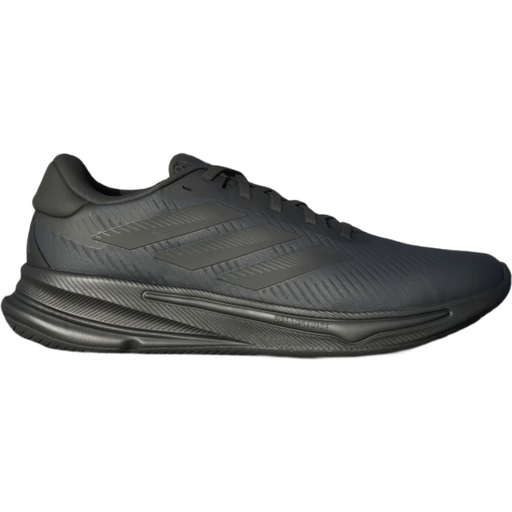
Why it suits this profile: Designed for runners looking to establish a regular training routine and who value clearly defined construction.
The product information lists a full-length Dreamstrike midsole, mesh and rubber lugs. This gives you a clearer idea of how the shoe is intended to be used than a general claim about sporty comfort.
Regular fit, adjustable lace-up fastening and rubber lugs according to the stated product specifications.

Why it suits this profile: For users who switch between tarmac, woodland paths and uneven terrain, and are specifically looking for size 44 running shoes.
According to the product description, this model is made for road-to-trail use, with a ROCKYTEC rubber outsole and a hard-wearing upper. Check the exact version, though; Vibram Megagrip is only listed for certain versions.
Sandwich mesh and woven upper, EVA midsole, and a choice of standard or narrow fit according to the product information.
We’ve put together a complete, up-to-date list of products that meet these strict selection criteria and the applicable European safety regulations.
There’s no set lifespan for every model. Look for wear on the tread, cracks in the upper and a midsole that feels noticeably less responsive. If you run several times a week, you’ll generally need to replace your shoes sooner than someone who mainly wears them as comfortable trainers or everyday sports shoes.
Often, yes, but check the tread and stability. A lightweight running shoe with breathable mesh is practical for walking and cardio workouts. For weight training with heavy weights, a flatter, more stable model may be more suitable. Trail running shoes are most useful if you regularly run on unpaved or wet paths.
Always follow the product instructions. Many models can be cleaned with a damp cloth and left to air-dry. Avoid direct heat and check whether machine washing is allowed. Good care removes dirt, but won’t stop the cushioning and rubber from wearing down with use.
