
Vandaag of morgen in huis

Kwaliteit gegarandeerd

Welkomstaanbiedingen ontgrendelen: GRATIS bezorging | Tot 80% korting | Gratis 30 dagen JoyPlus-proefperiode
Download de app
Buying new running shoes seems simple, until you have to choose between cushioning, stability, weight, fit and grip. A low price or well-known brand doesn’t automatically mean a shoe is right for your running style. The best choice depends mainly on where and how often you run, and the distances you cover.
A soft insole may feel comfortable when you try a shoe on, but that doesn’t mean it’s suitable for longer training sessions. Check more than just the softness: look at the type of midsole, the fastening and the outsole too. A shoe for everyday wear may have different features from running shoes for training or racing.
Lightweight running shoes are a good option for speed sessions, but a low weight can mean less support or a thinner construction. For beginners or runners who train several times a week, a slightly more robust model may be more practical. Consider the midsole, upper and outsole together.
EU sizes can vary between brands and models. Measure your foot at the end of the day and compare its length with the size guide on the product page. When running, make sure you leave some room around your toes. A toe box that’s too tight can become uncomfortable over longer distances, while a shoe that’s too roomy may slip.
With cushioned running shoes, the midsole plays a big part in how the shoe feels. EVA, Dreamstrike and Lightstrike are different materials or constructions that brands use for cushioning and energy return. Don’t just look at the marketing names. Check:
According to the product information, the adidas Supernova Ease has a full-length Dreamstrike midsole and is designed for short to medium distances. The adidas Supernova Stride 2 combines Dreamstrike+ with EVA and is described as a training shoe for longer runs.
Adjustable laces help you fine-tune the fit around your midfoot. Also consider the width of the forefoot and the room around your toes. The label “men’s” or “women’s” isn’t enough to determine the fit. Always compare the size guide and the stated foot length.
For men’s running shoes and women’s running shoes, the same basic checks apply: the heel should fit securely, your foot shouldn’t slide forwards, and your toes should be able to move. If you’re unsure, the size guide is more reliable than simply choosing your usual size.
For tarmac and cycle paths, a rubber outsole with a flatter tread is often practical. For woodland paths and off-road routes, deeper grooves and good grip matter more. Trail running shoes aren’t automatically suitable for every surface, so check what terrain the tread is designed for according to the product description.
The PELLIOT model is described as suitable for routes from road to trail and has a ROCKYTEC rubber outsole. According to the product description, it’s also available in versions for different foot shapes. Before buying, make sure you check which version and size you’ve selected.
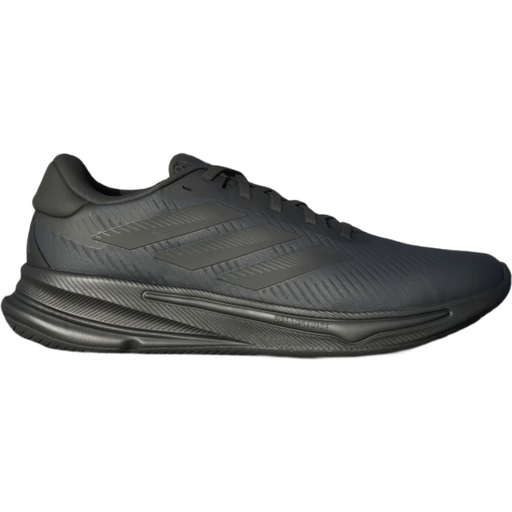
Why it suits this type of runner: The product description says this model is suitable for building a running routine and for short to medium distances. Its mesh construction and lace fastening are practical for regular use.
You’re not choosing on looks alone: the product information lists a Dreamstrike midsole, a regular fit and rubber studs for grip.
Full-length Dreamstrike cushioning, breathable mesh and adjustable laces.
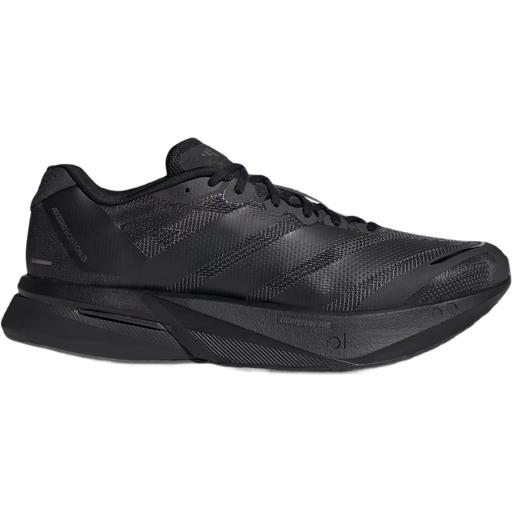
Why it suits this type of runner: According to the product information, this model is designed for intensive training and race preparation. It’s a good fit for runners looking for a more responsive feel.
The choice is based on specific features: Lightstrike Pro, ENERGYRODS, a textile upper and Lighttraxion with Continental Rubber, according to the product description.
Light textile upper, responsive midsole and an outsole that, according to the product information, provides grip on different surfaces.

Why it suits this type of runner: The product description presents this model as suitable for routes from road to trail and a range of terrains. That makes it a good option for runners who mix tarmac with woodland or off-road paths.
You check the terrain rather than focusing only on a low shoe price. The description lists a ROCKYTEC rubber outsole and versions for different foot shapes.
Sandwich mesh and woven fabric, an EVA midsole and a tread that, according to the product information, is designed for wet and loose surfaces.
Clean running shoes with a damp cloth, unless the label says otherwise. Many models in this selection shouldn’t be machine-washed. Leave your shoes to dry at room temperature and keep them away from direct heat. Check the outsole for wear regularly, and look out for a midsole that has become compressed or misshapen.
Lifespan depends on your body weight, how often you run, the terrain, whether you rotate between two pairs and how well you care for your shoes. There’s no set mileage that applies to every runner. Replace your shoes when the grip has noticeably worn down, the upper no longer fits securely or the cushioning feels noticeably different.
We’ve put together a complete, up-to-date list of products that meet these strict selection criteria and current European safety regulations.
It depends on how you use them and how much they’ve worn. Check the condition of the outsole, upper and midsole rather than just the purchase date. If you run on tarmac often, your shoes may wear out faster than if you alternate between soft paths and roads.
Black running shoes are practical and easy to pair with sportswear. However, colour doesn’t tell you anything about cushioning, grip or stability. Always check the model’s intended use and technical specifications.
Beginners can generally look for a secure fit, adjustable laces, good comfort and a model suited to their planned distances. According to the product description, the Supernova Ease is designed to help you build a running routine. Always check the size and the terrain you’ll be training on too.
