
Vandaag of morgen in huis

Kwaliteit gegarandeerd

Welkomstaanbiedingen ontgrendelen: GRATIS bezorging | Tot 80% korting | Gratis 30 dagen JoyPlus-proefperiode
Download de app
The right running shoes can make all the difference to comfort, grip and fit. Yet many buyers pay for features that don’t suit the way they run. Shoes with deep lugs, for example, can feel unnecessarily stiff on roads, while lightweight road shoes may lack grip on muddy woodland paths.
In this buying guide, we explain what to look for in women’s and men’s running shoes. We also compare a selection of models for everyday use, road running, trail running and changeable conditions.
Well-cushioned running shoes can feel comfortable, but more cushioning doesn’t automatically make a shoe the better choice. A very soft midsole can feel less responsive during short, fast-paced runs. So consider the type of terrain, your running distance and the level of stability you want, too.
Trail running shoes often have larger lugs for loose earth, mud and uneven paths. On cycle paths and roads, soles like these can feel less flexible and wear down more quickly. For mixed use, a less aggressive tread is usually more practical.
Waterproof running shoes and GORE-TEX running shoes can be useful in the rain, on wet grass and in muddy conditions. However, a membrane may let less air through than an open mesh upper. Water can also get in around the shoe collar. So only choose waterproof shoes if you often run in wet conditions.
A running shoe should hold your foot securely without creating pressure points. Check not only the EU size, but also the stated foot length in centimetres or millimetres. Sizing can vary between brands and models.
Look out for these points:
Laces generally offer more options for adjusting the fit. Systems such as Quicklace can be fast to tighten, but they won’t feel the same on every foot.
The midsole has a big influence on how a shoe feels. Product descriptions may mention EVA, React, Dreamstrike, Cloudfoam and Bounce 2.0. These are brand or material names; on their own, they don’t tell you which shoe will feel most comfortable for you.
In practical terms, look for:
According to the product description, the adidas Supernova Ease has a full-length Dreamstrike midsole. React foam is listed for the Nike Pegasus Trail 3. This information comes from the brands’ and retailers’ product listings; your own experience may differ.
For road running shoes, a relatively flat and flexible rubber tread is often a good choice. For trail running shoes, grip, lug height and durability matter more.
Check:
A hybrid model can be useful if you regularly switch between city streets, gravel and easy woodland paths.
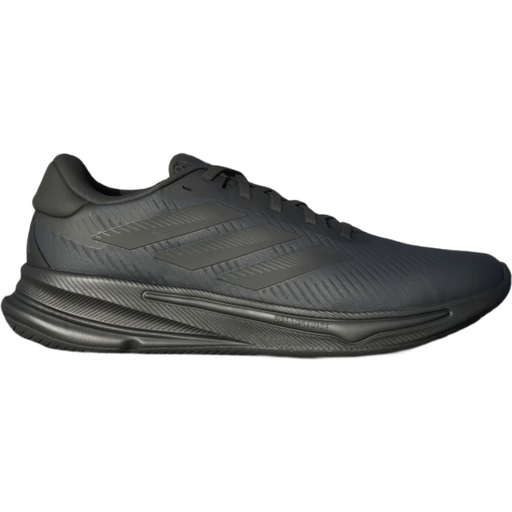
Why it suits this type of runner: The mesh upper, lace fastening and Dreamstrike midsole make this a good match for beginners looking for a pair for short to medium-length everyday runs.
The product information lists this model for short to medium distances, not as a specialist trail shoe. This helps you avoid buying a road shoe for muddy routes.
Breathable mesh upper, regular fit, lace fastening and a full-length Dreamstrike midsole, according to the product description.
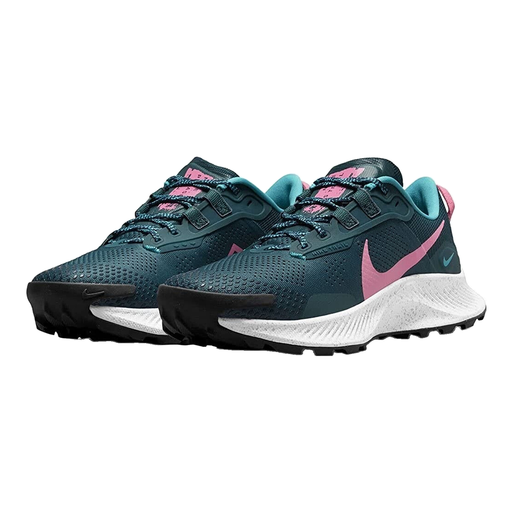
Why it suits this type of runner: This hybrid model is designed for runners who switch between urban surfaces and rougher paths, and want one versatile shoe for both.
The combination of multidirectional lugs and a mesh upper makes its intended use clearer than that of a shoe with a completely flat road-running sole. Check, though, that your routes aren’t mostly smooth roads.
React midsole, according to the product description, rubber outsole with multidirectional lugs, and reinforcements at the toe and heel.
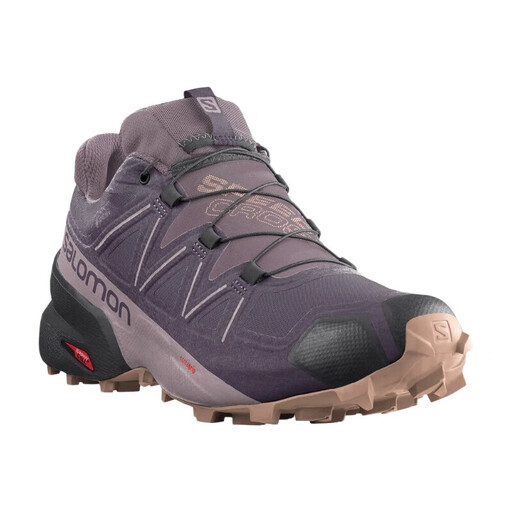
Why it suits this type of runner: This model is aimed at women who often run on soft, wet or uneven trails and value grip and protection from rain and mud.
The product listing mentions a GORE-TEX membrane and an aggressive Contagrip tread. This makes it better suited to wet, soft trails than a standard road-running shoe.
GORE-TEX membrane, Quicklace fastening, lightweight construction and an outsole with deep tread grooves, according to the product information.
We’ve put together a complete, up-to-date list of products that meet these strict selection criteria and the applicable European safety regulations.
How long running shoes last depends on your body weight, running style, the terrain, how often you train and how well you care for them. Don’t judge by appearance alone. Replace a pair when the sole shows visible uneven wear, the midsole has permanently lost its shape or the fit no longer feels stable.
Practical tips:
According to the product information provided, these products come with a minimum two-year legal guarantee. This doesn’t mean that normal wear and tear is automatically covered. Keep your order details and check the terms and conditions when you buy.
Choose a flexible sole with plenty of rubber contact and a midsole that suits the feel you’re looking for. According to their product descriptions, models such as the adidas Supernova Ease and adidas Runfalcon are designed for everyday running or road use. Always check the fit and size chart.
There’s no set mileage that applies to every runner. Check the outsole for wear, the shape of the midsole and the stability around the heel. Heavy road use can make wear more noticeable sooner than occasional running on soft paths.
They can be, especially if you often run in the rain, on wet grass or in mud. In warm conditions, a breathable mesh upper may feel more comfortable. A waterproof membrane is therefore a matter of personal preference and intended use, rather than a general requirement for every runner.
