
Vandaag of morgen in huis

Kwaliteit gegarandeerd

Welkomstaanbiedingen ontgrendelen: GRATIS bezorging | Tot 80% korting | Gratis 30 dagen JoyPlus-proefperiode
Download de app
Buying a new pair of running shoes sounds simple, until you have to choose between lightweight running shoes, models with extra cushioning, trail running shoes and racing shoes. Marketing copy often focuses on speed, comfort or grip, but does not always explain what that means for your everyday use.
For runners in the Netherlands, three pitfalls are particularly relevant:
The midsole largely determines how the shoe feels while running. EVA foam, Bounce and Lightstrike are different material and construction choices. Do not just look at the amount of cushioning; also consider the intended use:
Descriptions such as ‘return energy’ or ‘absorb impact’ are product claims. According to the manufacturer’s product information, certain models offer these features; you cannot automatically infer a medical effect or protection against injury from them.
Breathable running shoes generally have a mesh or textile upper. This can promote airflow, which is especially comfortable during longer sessions or in warm weather. Also check the construction around the midfoot:
A fully airy upper is not always ideal in rain and mud. For trail running shoes, hard-wearing material and protection against branches or stones are often more important than maximum ventilation.
Surfaces in the Netherlands range from tarmac and cycle paths to woodland trails, wet leaves and mud. Therefore, look at the tread pattern and rubber:
According to PELLIOT’s product information, the ROCKYTEC outsole is intended for surfaces including wet rocks, mud and loose sand. Some versions mention Vibram Megagrip. Always check which sole comes with the selected version; not every version necessarily has the same composition.
Measure both feet at the end of the day, when they are often slightly larger. Put on a thin running sock and measure from the heel to the tip of the longest toe. Then compare the measurement with the product page.
When trying the shoes on, pay attention to the following:
Men’s running shoes and women’s running shoes sometimes differ in the last, width and size range. So look at the specified foot length and fit, rather than just the men’s or women’s label.

Why it suits this profile: According to the product information, this unisex model is designed for road-to-trail use. This makes it suitable for anyone who alternates between city streets, park paths and light trails.
The product page lists a size chart in millimetres, standard and slim-fit versions, and a rubber ROCKYTEC outsole. This means you do not have to rely solely on appearance or generic marketing language.
Sandwich mesh and woven material; EVA midsole; standard and slim-fit options available according to the product information.
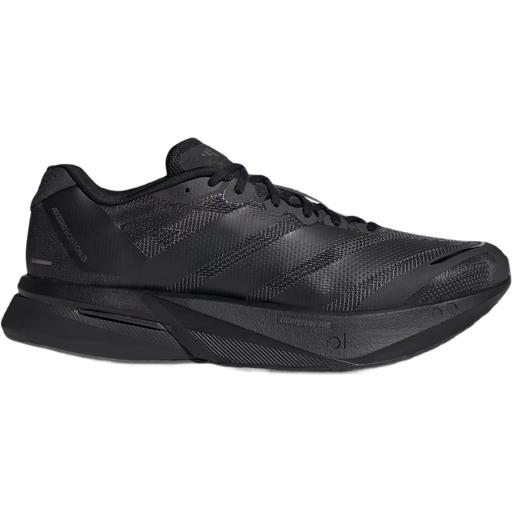
Why it suits this profile: According to adidas, this model is designed for intensive training in preparation for race days. The combination of a textile upper, Lightstrike Pro and ENERGYRODS suits runners who prioritise pace.
Its intended use is clearly described as speed training and race preparation. So this is not a random everyday trainer being marketed as a racing shoe.
Lightstrike Pro midsole with ENERGYRODS; Lighttraxion outsole with Continental Rubber; breathable textile upper according to adidas.
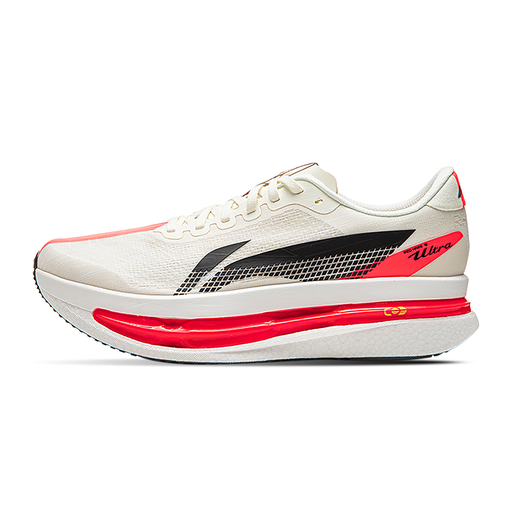
Why it suits this profile: The product information positions this model for intensive interval training and long-distance races. Its race-focused fit is relevant for runners looking for a close-fitting shoe.
The profile and sizing guidance are described specifically. According to the product information, anyone wanting extra room for thick socks should consider going half a size up.
Three-layer BOOM midsole; BOOM FIBER mesh; GCU outsole and fibreglass plate according to the product description.
We have put together a complete, up-to-date list of products that fully meet these strict selection criteria and the applicable European safety regulations.
For many Dutch runners, one pair that can handle several situations is an appealing choice. According to their product information, PELLIOT models are designed for the transition from road to trail. For tarmac-only running, a road model such as the Salomon Aero Glide 2 W may be the more logical option; the product page describes this model as suitable for hard surfaces and everyday training.
A model such as the Adidas Ultrarun 5 is aimed at everyday runs and casual use according to adidas. This makes it more practical for anyone who also wants to wear their running shoes outside training sessions. Skechers trainers such as the Bobs Geo-New, on the other hand, are primarily casual models. According to the product information, they have a textile upper, rubber sole and Memory Foam insole, but they are not automatically a substitute for running shoes during regular running training.
Lifespan depends on body weight, running frequency, surface, rotating several pairs and storage. Look out for these signs:
Do not routinely machine-wash running shoes. The product information mentioned generally recommends cleaning them with a damp cloth or washing them by hand with mild soap, then leaving them to air-dry, away from direct heat. Alternating with a second pair can shorten drying time and prevent you from constantly running in damp shoes.
There is no fixed timeframe that applies to every runner. Look at wear on the outsole, deformation of the midsole and changes in fit. Someone who runs on tarmac several times a week will generally put different demands on a pair than someone who occasionally trains on soft woodland paths.
They can be, as long as the fit and stability are right for you. Low weight says nothing about the amount of cushioning or whether the shoe suits your running style. Beginners should first determine the intended use, their foot length and the type of surface they want to run on.
Only if the sole and upper are designed for both. A road model may provide less grip on mud or loose stones. In that case, a hybrid model with a more versatile tread pattern, such as a version described in the product information as suitable for road-to-trail use, is a practical choice.
