
Vandaag of morgen in huis

Kwaliteit gegarandeerd

Welkomstaanbiedingen ontgrendelen: GRATIS bezorging | Tot 80% korting | Gratis 30 dagen JoyPlus-proefperiode
Download de app
A pair of running shoes can look convincing online and still be wrong for your usual route. A lightweight shoe for tarmac behaves differently from a model designed for muddy trails. And a soft sole won’t necessarily feel comfortable if the fit isn’t right.
The most common buying mistakes come down to three pitfalls:
If you’re looking for women’s running shoes, men’s running shoes or comfortable running shoes, it’s a good idea to decide how you’ll use them first. If you’ll mainly run on cycle paths and streets, choose a model for hard surfaces. For woodland trails, gravel and wet paths, grip and protection matter more.
For running shoes for tarmac, a rubber outsole with a relatively flat tread is usually a practical choice. It helps keep your stride smooth on streets, cycle paths and pavements. According to Salomon’s product description, a model such as the Salomon Aero Blaze is designed for hard surfaces and everyday training. The adidas Ultrarun 5 features an Adiwear rubber outsole for grip and durability, according to its product description.
For woodland paths and off-road routes, trail running shoes are a better choice. Check the lug depth and tread pattern. The Salomon Pulsar Trail, for example, has 3.5 mm lugs and is designed for smooth terrain, according to its product description. For mud and mixed terrain, the Salomon Speedcross 5 GTX W has a deeper tread with sharp grooves.
Running shoes with cushioning can make your run more comfortable, especially during longer training sessions or when covering lots of miles on hard surfaces. Don’t just look at whether the insole feels soft; consider the midsole and the shoe’s overall weight too.
Lightweight running shoes often feel more nimble, which can be useful for shorter runs or a faster pace. A higher sole, on the other hand, may provide extra comfort underfoot. According to Salomon’s product description, the Pulsar Trail combines Energy Foam with Energy Blade technology. These are claims made in the product information, not a guarantee that every runner will have the same experience.
A good fit helps stop your foot sliding forwards or pressing against the sides as you run. When trying shoes on, check the following:
A standard width won’t suit everyone. The LI-NING Yueying 6, for example, is listed as having a wider toe box. According to the product description, going half a size up may be suitable for wider feet or thicker socks. Treat this as product information, but always compare it with your own foot length.
The selection below matches specific features to familiar types of runner. Check current stock, colour and available sizes before buying.
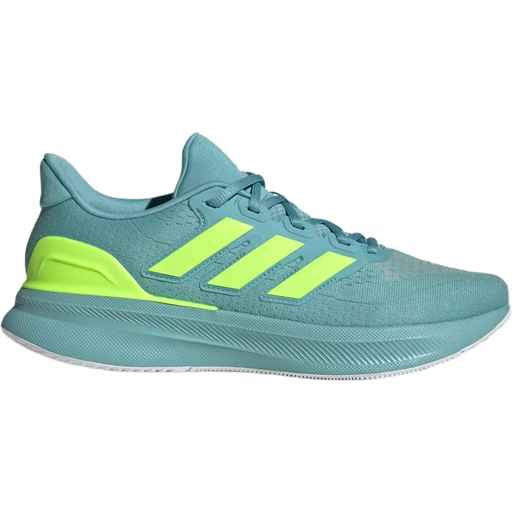
Why it suits this profile: The combination of a lightweight construction, mesh upper and Cloudfoam insole makes these shoes a good fit for everyday wear, easy runs and casual outfits.
The product description mentions more than just comfort: it also highlights a breathable mesh upper and rubber outsole. This lets you assess your choice based on practical features rather than appearance alone.
Textile mesh, a Cloudfoam insole and a durable rubber outsole; suitable for everyday training and casual wear.
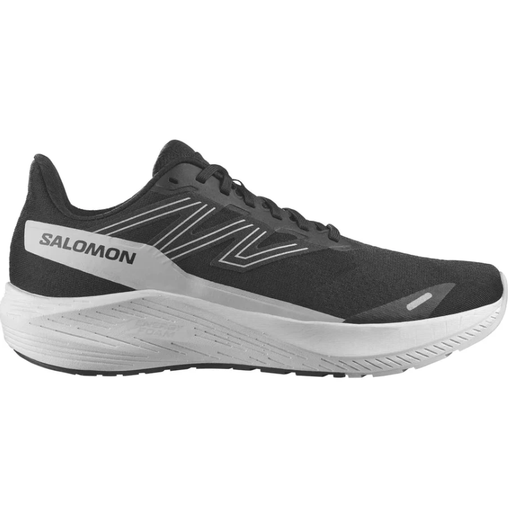
Why it suits this profile: According to the product description, this model is designed for lightweight performance, everyday training and road running. It’s a good match for runners who value breathability and a responsive midsole.
This recommendation is based on the materials and uses listed: mesh for ventilation, Energy Foam for cushioning and a traditional lace fastening for an adjustable fit.
Energy Foam midsole, breathable mesh and rubber outsole; designed for roads and light trails, according to the product description.

Why it suits this profile: This women’s model is designed for muddy and mixed terrain. The combination of GORE-TEX, a deep tread and Quicklace makes it a good match for wet trail routes.
The tread and water-resistant construction make it clear that this isn’t an all-purpose choice for tarmac. That helps you avoid buying a trail shoe for the wrong kind of use.
GORE-TEX membrane, Contagrip TA outsole with deep grooves and an adjustable Quicklace system.
We’ve put together a complete, up-to-date list of products that meet these strict selection criteria and the current European safety regulations.
Try on running shoes at the end of the day or after a walk, when your feet may be slightly larger than they are earlier in the day. Wear the socks you’ll run in. For women’s and men’s running shoes, your actual foot length matters more than the EU size on the label.
Clean your shoes with a damp cloth unless the manufacturer advises otherwise. Many models shouldn’t go in the washing machine. Leave them to air-dry and keep them away from radiators. Vary your running routes and check the outsole, laces and upper regularly.
How long your shoes last depends on your body weight, running style, terrain, care and how often you use them. There’s no set mileage that applies to every pair. Replace them when the grip noticeably decreases, the sole wears unevenly or the upper no longer holds your foot securely.
It varies by model and how you use them. Look out for wear on the rubber outsole, tears in the upper and lasting deformation of the midsole. A shoe used mainly for walking may last longer than the same model used for intensive tarmac training.
Not always. Waterproof running shoes, such as a model with GORE-TEX, are useful in the rain, on wet grass and in mud. In warm, dry conditions, a well-ventilated mesh upper may feel more comfortable. Choose according to the weather, route and how often you run.
For everyday use, look for a breathable upper, a reliable rubber outsole, cushioning that suits you and a secure fastening. Based on their product descriptions, models such as the adidas Ultrarun 5, adidas Supernova Rise M ATR and Salomon Aero Blaze are designed for training, comfort and regular use. Always check that the fit works for your feet.
