
Vandaag of morgen in huis

Kwaliteit gegarandeerd

Welkomstaanbiedingen ontgrendelen: GRATIS bezorging | Tot 80% korting | Gratis 30 dagen JoyPlus-proefperiode
Download de app
A new pair of running shoes can seem like a quick choice online. However, small differences in fit, sole and intended use can have a major impact on comfort. A shoe designed for asphalt is not automatically suitable for muddy woodland paths. Likewise, a lightweight model with plenty of cushioning will not suit every runner.
As a Joybuy Product Recommendation Officer, I filter product information based on practical considerations. This helps you see which features can be checked and which marketing terms should not be assessed separately from the specifications.
Road running shoes generally have a sole designed for asphalt, cycle paths and paved routes. On loose ground or wet roots, grip may be more limited. For trail running, a deeper tread and more hard-wearing outsole are more relevant.
A road and trail model can be practical if your route varies, but always check the sole construction and intended use.
Lightweight running shoes often feel flexible while running, but low weight does not automatically indicate stability or durability. Conversely, a shoe with a thicker midsole may be comfortable for steady distances but feel less responsive during speed training.
Therefore, consider the combination of weight, midsole material, fit and outsole. According to adidas product information, for example, the Adizero Boston 13 features Lightstrike Pro, ENERGYRODS and a Lighttraxion outsole. These are specific components; terms such as “faster” or “more efficient” remain dependent on the individual wearer and how the shoes are used.
An EU size is not exactly the same across every brand. Check your foot length in centimetres or millimetres and compare it with the size chart for the specific model. A regular fit also does not necessarily mean that the shoe is suitable for a narrow or wide foot.
In sports shoes from sizes 39 to 44, you will find many variations, including half sizes such as 39 1/3 and 41 1/3. Measure both feet, preferably at the end of the day, and leave some room around the toes.
First, decide where you will mainly wear the shoes:
Women’s running shoes and men’s running shoes differ in more than just colour. Fit, last and available sizes can vary between models. Unisex running shoes are useful when the size chart and foot shape are a good match.
With cushioned running shoes, the midsole material is particularly relevant. EVA and variants such as Cloudfoam are designed to absorb shock and provide comfort. This does not mean that every shoe is suitable for every distance or running style.
The adidas Runfalcon 5 lists a Cloudfoam midsole and an Adiwear outsole. According to the product information, the adidas Galaxy 7 also uses Cloudfoam, with a TPU outsole. These models are therefore logical options to consider for steady runs and everyday use, but check the size and your personal preferences before ordering.
A mesh upper generally provides air circulation. Breathable running shoes can be comfortable in warmer weather or during longer training sessions. However, mesh is not the same as waterproofing. For rainy walks or wet trails, a membrane such as GORE-TEX, found in certain Salomon models, is a more specific feature to look for.
Waterproof trail shoes keep moisture out more effectively, but may feel less airy than open mesh. So do not automatically choose waterproof shoes if you mainly run on asphalt in dry weather.
When checking running shoes with good grip, look at the type of rubber and the tread pattern. A flat rubber sole is more suited to paved surfaces, while a deeper tread is more practical on mud, gravel and uneven paths.
Stable running shoes may feature additional structure in the sole or upper. The Salomon XA Pro 3D v9 GTX lists a 3D Advanced Chassis and Contagrip outsole. According to Salomon product information, these components are intended to provide support and grip on technical terrain. Treat this as product information, not a guarantee of a particular running performance.
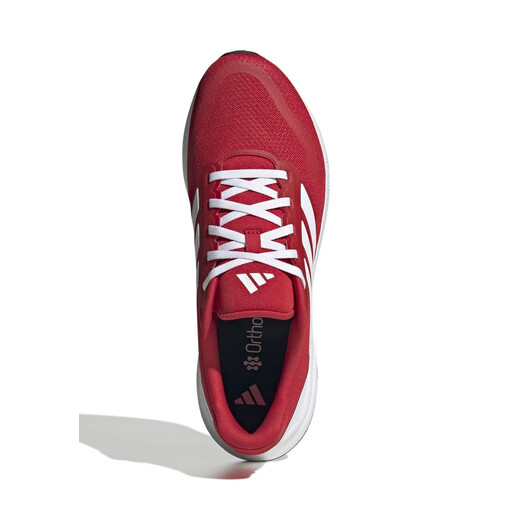
Why it suits this profile: According to the product information, this model is designed for everyday running and distances of 0–10 km. The lace fastening allows you to adjust the fit.
The specifications mention mesh, Cloudfoam and Adiwear rather than relying only on general comfort claims. However, check the stated foot length and EU size.
Breathable mesh upper, Cloudfoam midsole and Adiwear outsole according to adidas.

Why it suits this profile: This model is intended for trail running and walking on rougher terrain, with a GORE-TEX membrane and Quicklace system according to the product description.
Choosing a trail model prevents you from using a flat road sole on wet or uneven paths. Waterproofing comes at the expense of maximum ventilation.
GORE-TEX membrane, 3D Advanced Chassis and Contagrip sole according to Salomon.
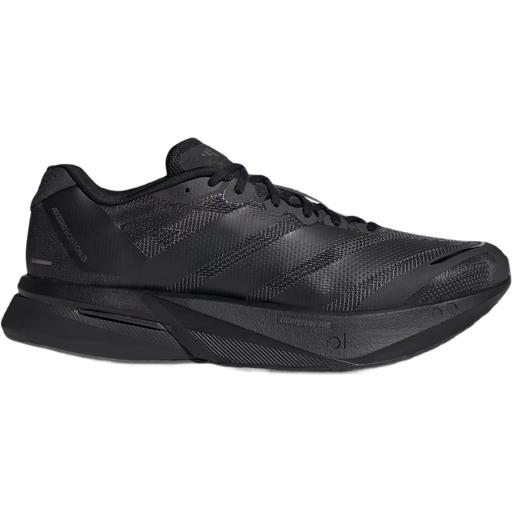
Why it suits this profile: The product information positions this model for intensive training and race preparation. The textile upper is designed to provide ventilation.
The model is not presented as a universal walking shoe, but as a running shoe for speed training. This means its intended use is better matched to its construction.
Lightstrike Pro, ENERGYRODS, breathable textile and Continental Rubber are listed in the product specifications.
We have put together a complete, up-to-date list of products that fully meet these strict selection criteria and the applicable European safety regulations.
The lifespan of running shoes depends on the surface, how often you run, body weight, storage and materials. Check regularly for:
Clean shoes according to the label or product instructions. For several models, adidas recommends wiping them with a damp cloth and allowing them to air-dry. PELLIOT specifies hand washing with mild soap and cold water for certain models. Do not use a tumble dryer or direct heat unless this is permitted.
There is no fixed timeframe. Pay particular attention to wear and changes in fit and cushioning. Someone who often runs on asphalt may put more strain on the sole than someone who alternates between soft paths.
Many road models can be used perfectly well for everyday walking. For wet woodland, gravel and mud, trail running shoes with a lugged sole are generally more practical. A football boot or lacrosse shoe, such as the Nike Huarache 9 Varsity Lax FG, is not intended as a general-purpose running shoe because of its studded construction.
Measure both feet in centimetres or millimetres and compare the longer foot with the brand’s size chart. With women’s running shoes, men’s running shoes and unisex models, also pay attention to width. Fit information such as “regular” is an indication, not a substitute for the specific size chart.
