
Vandaag of morgen in huis

Kwaliteit gegarandeerd

Welkomstaanbiedingen ontgrendelen: GRATIS bezorging | Tot 80% korting | Gratis 30 dagen JoyPlus-proefperiode
Download de app
Buying running shoes seems simple, until you have to choose between neutral running shoes, cushioned models, lightweight running shoes and trail running shoes. A striking look or a well-known brand name doesn’t automatically mean a pair is right for your running style. For runners in the Netherlands, the surface, fit and how often you run are especially important.
These common pitfalls are worth avoiding:
For road running shoes and cycle paths, a rubber outsole with even grip is usually a practical choice. Also consider the shoe’s flexibility and tread. A versatile model may be enough for light woodland paths. If you regularly run on mud, wet rocks or loose sandy trails, you’ll benefit more from proper trail running shoes with a more pronounced tread.
A model described as suitable for both roads and light trails can be handy if you vary your routes. Just check that the sole is designed for the terrain you run on most often.
Cushioned running shoes often use EVA, brand-specific foam or a combination of the two. A softer midsole can feel comfortable at an easy pace and over longer distances. A firmer or more responsive model may be better suited to tempo and interval training.
Look for specific information:
If you have a neutral running style, neutral running shoes are often a sensible starting point. If you have recurring pain or are unsure about your running style, ask a qualified running professional for advice. A product description is not a medical assessment.
A good fit helps stop your foot sliding inside the shoe or pressing against the front. Ideally, measure both feet at the end of the day and compare their length with the brand’s size guide. Differences between brands and models are normal.
For warm-weather training, breathable running shoes made with mesh or woven fabric are a practical option. Bear in mind, though, that more ventilation doesn’t automatically mean better protection from rain or cold. Synthetic reinforcements can add structure, but may make the upper less flexible.
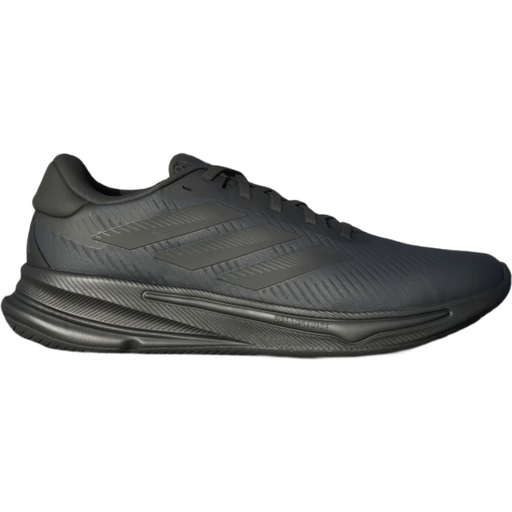
Why it suits this type of runner: According to the product description, this model is designed for short to medium distances and building a running routine. Its mesh upper, lace-up fastening and Dreamstrike midsole make it a good match for beginners looking for one pair for easy training runs.
The intended use and materials are clearly described. That way, you won’t mistake a regular lifestyle trainer for a running shoe.
Breathable mesh, a regular fit, Dreamstrike foam and a rubber studded outsole, according to the product information.
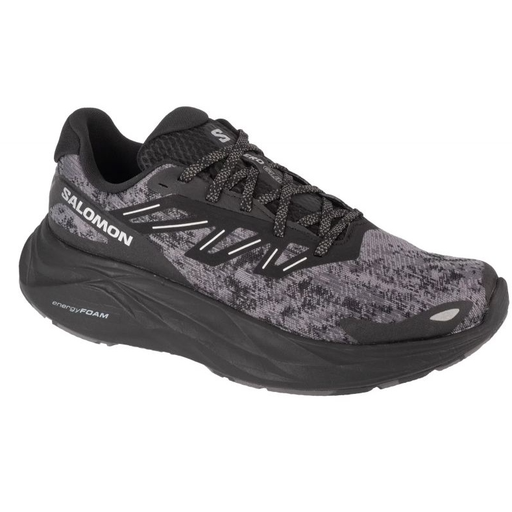
Why it suits this type of runner: According to the product description, this model is made for neutral runners on hard surfaces. Its textile lining, synthetic upper, thick rubber sole and lace-up fastening make it a good fit for everyday training on tarmac.
Its suitability for hard surfaces and neutral running style are clearly stated, so you’re not choosing on brand name alone.
Breathable upper, rubber outsole and size information including foot lengths, as listed on the product page.

Why it suits this type of runner: According to the product description, this model is designed for routes that combine roads and trails. Its mesh and woven upper, EVA midsole and ROCKYTEC outsole are relevant for runners who switch between city streets and unpaved paths.
The sole and recommended terrain are described in specific terms. Check which version you choose, though: a Vibram Megagrip sole is only listed for selected versions.
Lightweight mesh, high-elasticity EVA and a choice of standard or narrow fit, according to the product information.
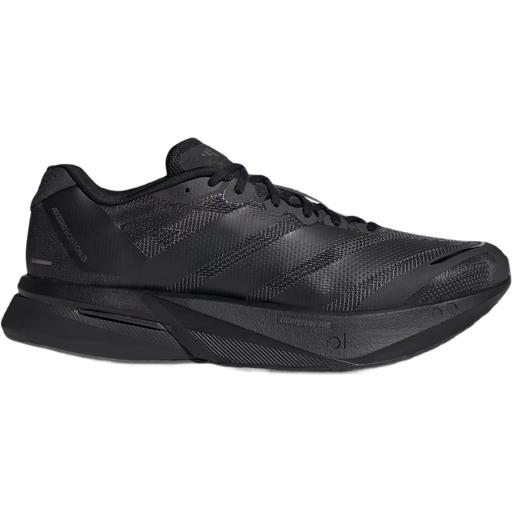
Why it suits this type of runner: According to the product description, this model is designed for intensive training and race preparation. Its Lightstrike and Lightstrike Pro midsole, ENERGYRODS and breathable textile upper are made for a faster pace.
The shoe isn’t presented as an all-purpose everyday model, but is specifically intended for tempo runs and training. That helps you make a more targeted choice.
Lightstrike Pro, ENERGYRODS and Lighttraxion with Continental Rubber are listed as features of the construction.
We’ve put together a complete, up-to-date list of products that meet these strict selection criteria and current European safety requirements.
Their lifespan depends on your body weight, running style, the surface, how often you train and how well you care for them. Don’t rely on a set mileage alone. Replace a pair when the cushioning feels noticeably different, the sole wears unevenly or the upper loses its shape. Alternating between two pairs can help reduce wear on each one.
Not always. Many models are mainly based on size, width and fit. Some men’s and women’s running shoes do differ in their lasts, colours or available sizes. So don’t choose solely based on whether a shoe is labelled for men or women. Check the foot length, width and intended use instead.
Lightweight running shoes can feel comfortable when you want to run efficiently and quickly, but weight is only one factor. For longer distances, fit, sufficient cushioning and a stable feel are just as important. Try a lightweight model on an easy, shorter run before wearing it for a long-distance run.
