
Vandaag of morgen in huis

Kwaliteit gegarandeerd

Welkomstaanbiedingen ontgrendelen: GRATIS bezorging | Tot 80% korting | Gratis 30 dagen JoyPlus-proefperiode
Download de app
Choosing the right running shoes may seem straightforward, but many unsuitable purchases result from the same mistakes. A shoe may feel light in the shop yet provide insufficient support over longer distances. Some models are also presented as suitable for every type of sporting activity, even though their outsole and cushioning are mainly designed for a specific surface.
So don’t focus only on the brand or appearance. Consider how you will use the shoes, the fit, the materials and the features actually stated in the product description.
Lightweight running shoes feel appealing for short runs, but a low weight says nothing about the level of cushioning, stability or grip. For daily training and longer distances, a slightly sturdier model may be more practical.
Cushioned running shoes are not automatically suitable for every runner. A soft midsole may feel comfortable, while another runner may prefer more direct and stable contact with the ground. So look at the midsole material and the type of use for which the brand describes the model.
EU sizes vary between brands and models. Some adidas running shoes, for example, are available in half or third sizes. Ideally, measure your foot at the end of the day and compare its length with the size chart on the product page. Also consider the width: a shoe that fits snugly around the heel may still be too narrow at the toe box.
A secure heel fit is important for running, but your toes should not touch the front of the shoe. Allow some extra room for longer training sessions, as feet can swell during exercise. Always check whether the product information specifies a regular, narrow or wide fit.
The Puma Speedcat OG, for example, is listed as having a regular fit and a rounded toe. With its low profile and rubber outsole, this model is mainly interesting as a casual shoe rather than as a replacement for running shoes designed for training.
The midsole largely determines how a shoe feels. Examples from the range include:
These brand descriptions do not guarantee a particular personal experience. Treat them as technical information and combine them with your own running goals and fit preferences.
A rubber outsole can provide grip on tarmac, cycle paths and wet streets, but the tread determines how suitable a shoe is for loose surfaces. For changing terrain, the product information for the PELLIOT Running Shoes mentions a ROCKYTEC outsole and a version designed for road-to-trail use. When choosing between variants, always check which outsole actually comes with your size and version.
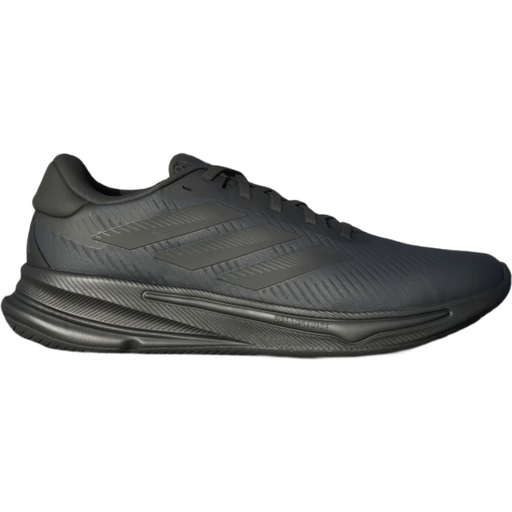
Why it suits this profile: The product information describes this model as a daily running shoe for short to medium distances, with a regular fit and a breathable mesh upper.
You choose based on intended use and outsole construction rather than colour or brand name alone. Size 42 2/3 is listed on the product page.
Dreamstrike midsole, mesh upper and rubber lugged outsole according to the product description.
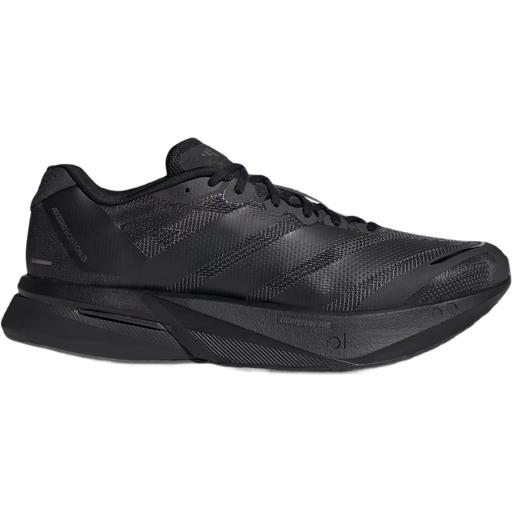
Why it suits this profile: According to adidas, this model is aimed at intensive training and race preparation. It is designed for runners looking for a lightweight, responsive shoe.
The choice is based on specific features: Lightstrike Pro, Energy Rods, a mesh upper and a Lighttraxion outsole with Continental rubber.
Lightweight mesh, Energy Rods and sizing that includes third EU sizes; check your foot length before purchasing.

Why it suits this profile: The product description mentions road-to-trail use and various terrains, from urban roads to paths. Versions are available for standard and narrower feet.
You check your foot shape and running surface in advance rather than using a smooth road outsole on mud or loose paths.
EVA midsole, mesh and woven upper, and ROCKYTEC rubber outsole according to the product information.
Not every trainer is a running shoe. The Puma Speedcat OG has an IMEVA midsole and rubber outsole, but its low-profile, casual design makes it a more natural choice for everyday wear. The Vans Authentic is likewise intended for walking, work and leisure. So when shopping for women’s trainers, black trainers or an outfit for the city, it is better to focus on comfort, materials and style than on running technology.
If you are looking for a black, sporty women’s shoe, you could also consider the Skechers Graceful. The product information mentions a Memory Foam footbed and a PU sole, but also states that the model comes up large. According to this information, going down a size may be suitable; always compare this with your own foot length and the returns policy.
We have put together a complete, up-to-date list of products that fully meet these strict selection criteria and the applicable European safety regulations.
Their lifespan depends on how often you run, your body weight, the running surface, maintenance and outsole wear. There is no universal mileage limit. Replace a pair when the outsole shows visibly uneven wear, the fit changes or the cushioning no longer feels comfortable.
For a short walk or occasional gentle exercise, a casual trainer may be sufficient, but Vans Authentic and Puma Speedcat OG are not described as running shoes. For regular training, a suitable midsole, fit and grip are more important than appearance alone.
Look for a comfortable fit, enough room around the toes, a midsole suited to your running style and an outsole designed for the surface you run on. According to the product information, models in the adidas Supernova range are aimed at daily training and longer runs; always test the size and comfort gradually during an easy training session.
