
Vandaag of morgen in huis

Kwaliteit gegarandeerd

Welkomstaanbiedingen ontgrendelen: GRATIS bezorging | Tot 80% korting | Gratis 30 dagen JoyPlus-proefperiode
Download de app
A pair of running shoes can look impressive on paper, yet still not suit your route or your feet. A lightweight shoe with a carbon plate, for instance, isn’t automatically right for daily training. And a trail model with a waterproof membrane can be handy on wet forest paths, but feel less smooth on tarmac.
The most common pitfalls when buying running shoes are:
Decide where you mostly run:
The Salomon DRX DEFY GRVL, for example, is designed for gravel and mixed terrain. According to the product description, this model combines an Active Chassis with Energy Foam and an All Terrain Contagrip outsole. Those are verifiable traits that suit uneven ground, but they don’t automatically make the shoe right for every runner.
A good fit prevents heel slippage and pressure on your toes. Keep these points in mind:
The LI-NING FEI DIAN 6 ELITE is described as having a snug, race-focused fit. The manufacturer suggests going up half a size for wide feet or if you prefer more toe room. The LI-NING RED HARE 9 ULTRA is also described as performance-focused, with the same option for extra space.
Ideally, try a new pair indoors with the socks you run in. Also check whether your chosen size is actually available; the models on offer are sometimes tied to a single specific size.
Cushioned running shoes are geared towards comfort during longer or easier runs. A softer midsole can feel great, but an ultra-soft shoe won’t give every runner enough control. So also consider platform width, heel construction and stiffness.
Carbon-plated running shoes are usually intended for pace work and racing. A plate can make the transition feel more direct, but it also takes getting used to. Don’t use such a model purely because of a marketing claim about energy return. According to LI-NING’s own information, the FEI DIAN 6 ELITE features a T1000 carbon fibre plate and a SUPER BOOM CAPSULE midsole. The percentages quoted for energy return and grip are claims from the brand’s product description and not a blanket guarantee of your running performance.
For warm days, breathable running shoes with mesh or technical textiles make sense. In rain, a waterproof shoe can be more appealing. The Salomon XA Pro 3D v9 GTX uses, according to the product information, a GORE-TEX membrane, 3D Advanced Chassis and Contagrip rubber. That suits wet trails and walks, but waterproof materials can be less airy than an open mesh upper.
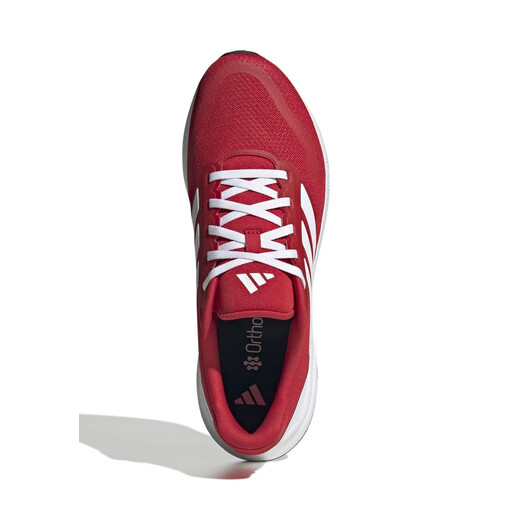
Why this suits the profile: According to the product information, this model is intended for everyday running and short distances from 0 to 10 km. The mesh upper and Cloudfoam midsole suit beginners looking for one pair for short runs and general use.
The stated use prevents you from buying a race model for easy short loops. Do check whether the regular fit works for your foot.
Mesh upper, Cloudfoam midsole, OrthoLite insole and Adiwear outsole according to the product specifications.
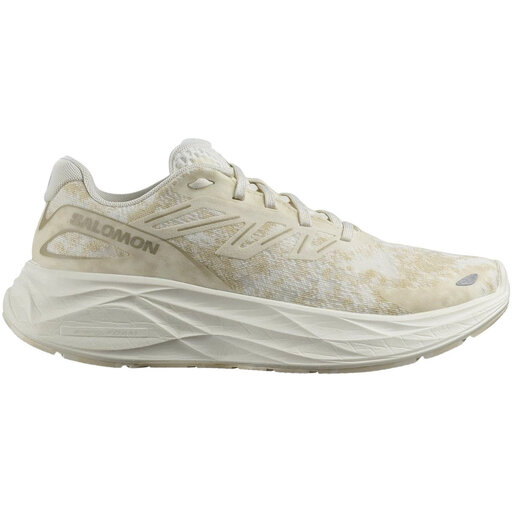
Why this suits the profile: According to the product description, these women’s running shoes are aimed at road, urban routes and daily training. The combination of textile, synthetic materials and a thick rubber sole suits regular use on hard surfaces.
The stated road use makes the choice clearer than a general lifestyle model. Don’t expect a trail tread for muddy paths.
Designed for hard surfaces, with a rubber sole and lace fastening for an adjustable fit.
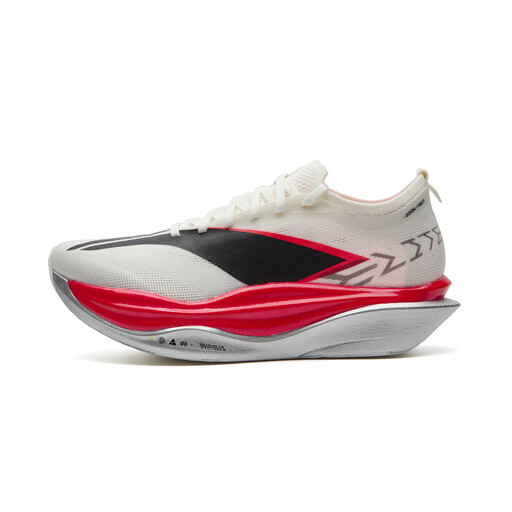
Why this suits the profile: This model targets road races and marathon training. The product information mentions a race-focused fit, a SUPER BOOM CAPSULE midsole and a T1000 carbon fibre plate. According to LI-NING’s own research, specific percentages for energy return and responsiveness were measured; check whether that feel matches your running style.
Its use as a race and marathon model is clearly stated. That way, you won’t accidentally buy an everyday comfort shoe for a specific race goal, or the other way round.
Carbon fibre plate, race-focused fit, breathable BOOM FIBER upper and GCU outsole according to the product data.
We’ve compiled a complete, up-to-date list of products that fully meet these strict selection criteria and comply with the applicable European safety regulations.
Lifespan depends on how often you run, body weight, surface, care and wear. Pay particular attention to tread that’s become smooth, tears in the upper, or a midsole that’s visibly compressed. There isn’t a fixed mileage limit that applies to every model. Rotate pairs and let wet shoes dry naturally.
Choose models with a road-focused outsole, sufficient cushioning and a fit that keeps your heel stable. According to the product information, the adidas Runfalcon 5 is recommended for short road distances. The Salomon Aero Glide 2 W is specifically described for hard surfaces and urban routes.
That varies by runner and by model. A carbon plate can feel stiffer and more direct, but it’s not essential for easy runs. Only use a race model if the fit, comfort and familiarity suit your training plan. Also check the size chart and, if in doubt, don’t choose solely on the basis of a performance claim from the brand.
