
Vandaag of morgen in huis

Kwaliteit gegarandeerd

Welkomstaanbiedingen ontgrendelen: GRATIS bezorging | Tot 80% korting | Gratis 30 dagen JoyPlus-proefperiode
Download de app
Finding the perfect running shoes can feel like a marathon in itself. The market is flooded with models, all promising to make you run faster, more comfortably, and injury-free. But many of these promises are based on marketing hype that can easily mislead you. As a Joybuy Product Recommendation Officer, I see where consumers go wrong every day. Let's cut through the noise and focus on what really matters.
Before you invest in a new pair, it's crucial to recognise these common pitfalls:
trail running shoe with deep lugs might look tough, but on asphalt, the sole will wear down incredibly fast and feel uncomfortable. Conversely, a road running shoe offers zero grip on a muddy forest trail.By avoiding these pitfalls, you'll not only save money but also reduce your risk of injury.
To avoid making the wrong choice, it's important to look beyond colour and brand. Focus on the specifications that truly make a difference to your running experience.
This is perhaps the most important choice. These terms are often confused, but they serve different purposes.
stability running shoe helps to correct this and promotes a more efficient stride.Not sure which type you need? A simple 'wet foot test' can give you an indication, but the wear pattern on your current shoe soles often tells a revealing story.
A shoe's outsole is designed for a specific surface.
Salomon running shoes are a well-known example in this category.Always choose a shoe with a sole that matches the surface you'll be using it on most.
To help you with your choice, we've matched several models to specific user profiles. These aren't "winners," but rather specific examples that show how the right specifications meet a particular need.
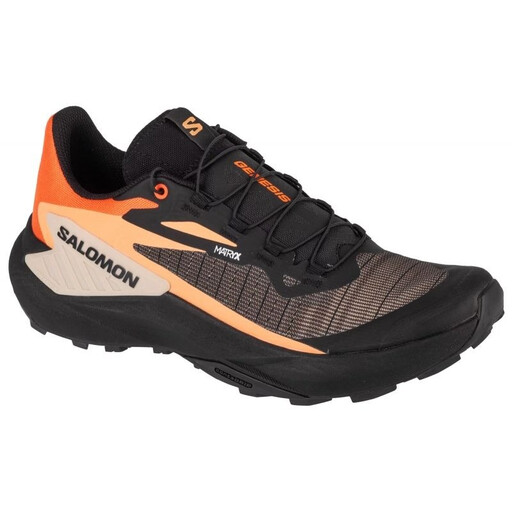
Why This Fits Their Persona: Perfect for those who explore local dunes, forests, or rolling hills. This shoe is built for stability and grip on challenging and unpredictable terrain.
The All Terrain Contagrip outsole is specifically designed for grip on mud and rocks, precisely where a standard road shoe would fail and create hazardous situations.
The Active Chassis system provides superior support on technical terrain, while the Energy Foam midsole ensures comfort over long distances.
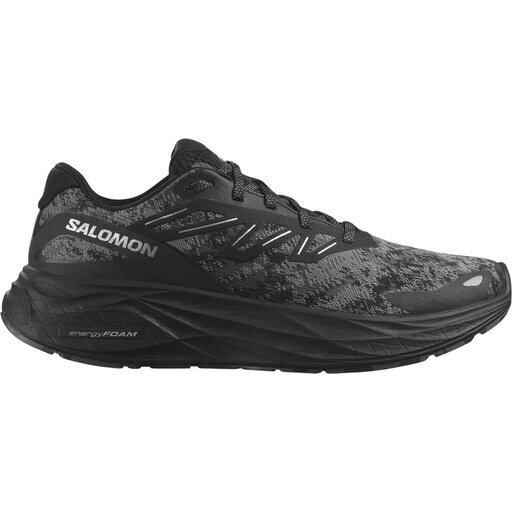
Why This Fits Their Persona: Ideal for the runner who clocks up weekly miles on asphalt, for instance when training for a city marathon. Comfort and durability on hard surfaces are the priority here.
This shoe offers balanced, responsive cushioning rather than being excessively soft. This prevents that 'sinking' feeling and promotes a more efficient toe-off, debunking the "maximum cushioning" myth.
The thick rubber sole is optimised for grip and durability on asphalt. The high-quality upper provides excellent ventilation during long-distance runs.
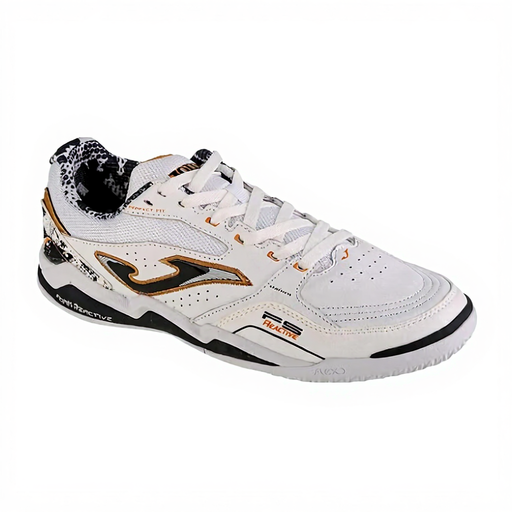
Why This Fits Their Persona: Specifically designed for indoor football and other indoor sports. This shoe provides the grip and agility needed for fast, lateral movements on a smooth surface.
This model shatters the "one shoe for all" illusion. Its non-marking sole is made for indoor floors and prevents slipping, something an outdoor running shoe isn't designed for.
The reactive sole technology enhances grip and responsiveness on indoor courts. The lightweight construction reduces foot fatigue during an intense match.
We've compiled a complete, up-to-date list of products that fully meet these strict selection criteria and local regulations.
A general guideline is that running shoes last between 500 and 800 kilometers. However, this depends heavily on your running style, weight, and the surfaces you run on. Look for clear signs of wear: a worn-smooth tread on the outsole, compressed cushioning in the midsole, or tears in the upper. Does the shoe feel less responsive than it used to? Then it's probably time for a new pair.
You can, but it's not recommended for regular use. The deep lugs of trail running shoes wear down very quickly on asphalt, causing you to lose the specific grip they were designed for. Furthermore, the rigid construction can feel uncomfortable and 'clumsy' on a hard, flat surface. Use them for what they were made for: unpaved trails.
The difference lies in the level of support. Neutral shoes are for runners whose feet and ankles remain in a straight line during their gait cycle. They focus primarily on cushioning. Stability running shoes have corrective elements, such as a firmer block of foam on the inner side of the midsole. This helps to limit overpronation (the excessive inward rolling of the ankle) and promotes a more stable stride.
