
Vandaag of morgen in huis

Kwaliteit gegarandeerd

Welkomstaanbiedingen ontgrendelen: GRATIS bezorging | Tot 80% korting | Gratis 30 dagen JoyPlus-proefperiode
Download de app
By Joybuy Product Recommendation Officer
Running shoes may look similar, but the differences become noticeable once you run for longer, take wet paths or switch between different surfaces. A soft sole is not automatically suitable for asphalt, and a breathable upper says little about grip on mud. If you focus only on colour, brand name or discount, you could end up with shoes that pinch, wear out quickly or fail to provide enough support.
Comfortable trainers such as lifestyle models are practical for everyday use, but not every model is designed to withstand the repeated impact of running. So check whether the product description specifically mentions running or trail shoes. A model with a rubber sole and Memory Foam may feel comfortable, but that does not make it a specialised running shoe.
Cushioning refers to the properties of the midsole, such as EVA foam or Cloudfoam. Stability is more about how the shoe guides your foot over uneven ground. A lightweight running shoe with plenty of cushioning may feel comfortable on asphalt, while a trail shoe mainly benefits from a firm sole and supportive construction on gravel.
A size 42 running shoe is not identical across every brand. The fit can vary in length, width and toe room. Measure both feet at the end of the day and compare the result with the model’s size chart. For running, a little room around the toes is useful, especially when covering longer distances or wearing thicker socks. “Regular fit” does not mean that every model will feel the same on every foot.
For asphalt and paved cycle paths, a relatively flat tread pattern with a flexible rubber outsole is usually sufficient. For woodland, gravel and mountain paths, trail running shoes with deeper tread are more suitable. Pay attention to the description of the sole and its intended use. Shoes for off-road terrain need to offer more than grip: they must also withstand sand, branches and small stones.
A model such as the Salomon XA Pro 3D v9 GTX has a Contagrip outsole according to the product information and is designed for trail running and walking. According to the manufacturer, the Salomon DRX DEFY GRVL uses an All Terrain Contagrip sole and is aimed at gravel and mixed surfaces. Specifications like these are easier to verify than general terms such as “adventurous” or “for all conditions”.
Breathable sports shoes with mesh generally allow more air to circulate and are practical in dry weather or during intense exercise. However, they do not offer the same protection from rain as waterproof trail running shoes. A waterproof membrane can be useful on wet Dutch woodland paths, but it may allow less air through than open mesh.
According to the product description, the Salomon XA Pro 3D v9 GTX features a GORE-TEX membrane. This is a product specification, not a guarantee that your feet will stay dry in every situation. Water can, for example, enter through the opening or over the top of the shoe.
Look at the midsole material and the stated fit. EVA foam is widely used in cushioned running shoes. The PELLIOT models list an elastic EVA midsole, a mesh and woven upper, and versions for a standard or narrower foot. When choosing between variants, check carefully which version and size you select.
Also pay attention to the fastening. Laces offer a classic, adjustable fit. A system such as Quicklace on the Salomon XA Pro 3D v9 GTX is designed for quick adjustment. Slip-on shoes or hook-and-loop fastenings can be convenient for everyday use, but for running, a well-adjustable fastening is usually more practical.
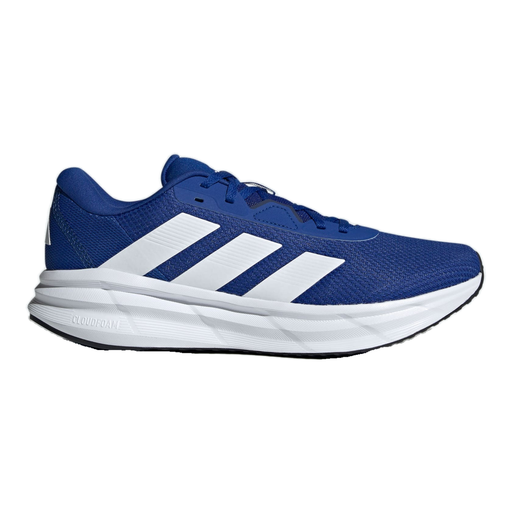
Why it suits this profile: A sensible choice for anyone who mainly runs on asphalt and wants one pair for walking, training and everyday use.
The product details specify a regular fit, textile upper and Cloudfoam midsole. However, check that this road-focused construction suits the surface you run on.
Cloudfoam midsole, textile lining and TPU outsole; the size chart lists EU 42 and a foot length of 270 mm.

Why it suits this profile: Suitable for walkers and trail runners who regularly tackle wet, technical or uneven paths.
The GTX membrane, reinforced toe and heel, and Contagrip tread are better suited to wet, rugged terrain than an ordinary trainer.
GORE-TEX according to the product information, 3D Advanced Chassis, Quicklace and Contagrip rubber outsole.
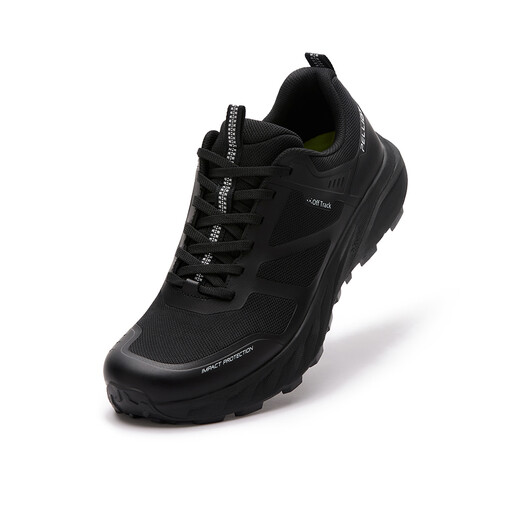
Why it suits this profile: For runners who combine asphalt, gravel and light trails and want a breathable unisex model.
The product description mentions a hard-wearing upper, EVA midsole and ROCKYTEC rubber sole. Choose the right fit and check that the version suitable for your foot is available.
Lightweight mesh, standard- and slim-fit versions, and a size chart from EU 39 to 45 inclusive, including size 42.
Try on running shoes at home with the socks you wear when running. Check that your heel does not lift and that your toes do not press against the front. With women’s and men’s running shoes, width and the shape of the last can vary by model, so do not look only at the EU number.
Clean mesh and synthetic materials according to the care label. Many models retain their shape for longer if you clean them with a damp cloth and leave them to air-dry. Avoid direct heat, such as a radiator. Make a note of when you start using a pair and look out for wear on the tread, tears in the upper and a visibly compressed midsole. Lifespan depends on body weight, running frequency, surface and care. There is therefore no fixed mileage that applies to every pair.
We have put together a complete, up-to-date list of products that fully meet these strict selection criteria and the applicable European safety regulations.
That depends on your running style, the surface and your personal preference. For asphalt, a model with a clearly described cushioned midsole may feel comfortable. On technical trails, grip and stability are just as important. More cushioning is not automatically better suited.
You can, but the tread pattern and construction are primarily designed for off-road terrain. On a lot of asphalt, the lugs may wear down more quickly and the shoe may feel less flexible. Choose a hybrid model if you regularly switch between roads and gravel.
Replace them when the sole shows uneven wear, the tread no longer provides sufficient grip, the upper becomes damaged or the midsole no longer feels comfortable. Look at the shoe’s actual condition rather than its age alone.
