
Vandaag of morgen in huis

Kwaliteit gegarandeerd

Welkomstaanbiedingen ontgrendelen: GRATIS bezorging | Tot 80% korting | Gratis 30 dagen JoyPlus-proefperiode
Download de app
Running shoes may seem easy to compare at first. Yet many people choose a pair based on colour, brand name or a soft insole, when it’s the fit and the terrain that determine whether they’ll remain comfortable to run in. This applies to men’s and women’s running shoes, as well as trainers for everyday use.
If you focus only on cushioning, you might choose a shoe that feels too unstable. If you prioritise a lightweight mesh upper, you might overlook the fact that this material offers less protection from rain and dirt. And a tread that works well on woodland trails won’t necessarily feel comfortable on tarmac.
A soft sole feels comfortable when you try a shoe on, but that doesn’t tell you everything about how it will feel when running. Also consider the width of the base, the heel construction and how securely the shoe holds your foot. A standard fit may be enough for easy runs. For longer training sessions or uneven terrain, extra stability may feel more comfortable.
Running shoes for tarmac usually have a flatter, more even rubber tread. Trail running shoes often have a deeper tread for dirt, gravel and wet paths. An aggressive trail sole may feel less smooth on roads, while a smooth road sole offers little grip in mud.
Sizes vary between brands and models. Measure both feet at the end of the day and compare their length with the size guide for the specific product. Leave a little room around your toes for running. A shoe that fits snugly when you’re standing still may feel too tight during a longer training session. Check the width too: many models in the range have a standard width, often labelled D.
When choosing cushioned running shoes, the midsole material and construction matter more than its marketing name. Cloudfoam, Dreamstrike, Bounce 2.0 and Energy Foam are brand names for different constructions. According to the product descriptions from adidas and Salomon, these systems are designed to offer comfort and responsiveness. The exact feel varies depending on the runner, their weight and pace, and the terrain.
For beginners, even cushioning and a stable base are often practical choices. If you mainly walk or work out at the gym, you could also consider comfortable trainers with a flexible rubber sole. For intensive training, it’s worth looking at cushioning, weight and fit together.
Breathable running shoes usually have a mesh upper. According to the product description, this helps with airflow, but mesh isn’t the same as waterproofing. In the UK’s changeable weather, socks and a good drying routine are therefore important.
Textile and mesh are lightweight and flexible. Synthetic leather or reinforcements around the heel and forefoot generally provide more structure, but may feel less breathable. Also check whether the insole is removable. According to the product specifications, the insole in the Skechers Track-Ripkent cannot be removed. This may matter if you use your own insoles.
Look at both the material and the pattern of the outsole. Rubber is widely used for its durability and grip. Regular grooves are usually enough for tarmac. On gravel, wet leaves or unpaved paths, larger lugs or a dedicated trail tread are more useful.
According to the product description, the Salomon DRX DEFY GRVL has an All Terrain Contagrip sole and is designed for gravel and mixed terrain. The Salomon Aero Glide 2 W, by contrast, is described as a model for hard surfaces such as urban routes. These descriptions can help you compare shoes, but they’re no substitute for assessing the fit and feel for yourself.
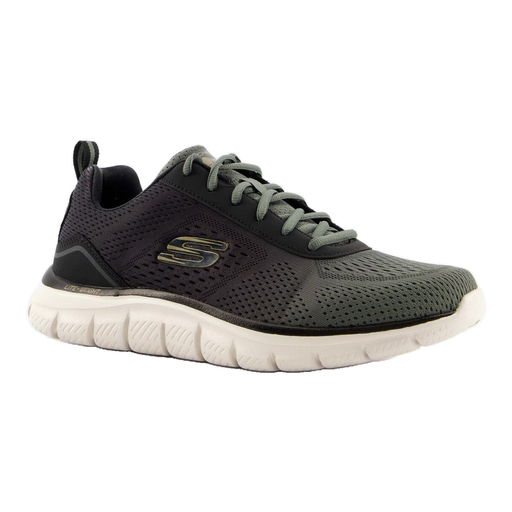
Why it suits this type of runner: This model is designed for everyday wear, light exercise and walking. Its standard fit and Memory Foam insole are practical features if you’re looking for one pair of trainers for different activities.
The product information specifies a standard fit, lace-up fastening and rubber sole with a tread. So you don’t have to rely on appearance or the brand name alone.
Textile upper with mesh inserts, rubber outsole and machine washable at up to 30 °C, according to the care information.
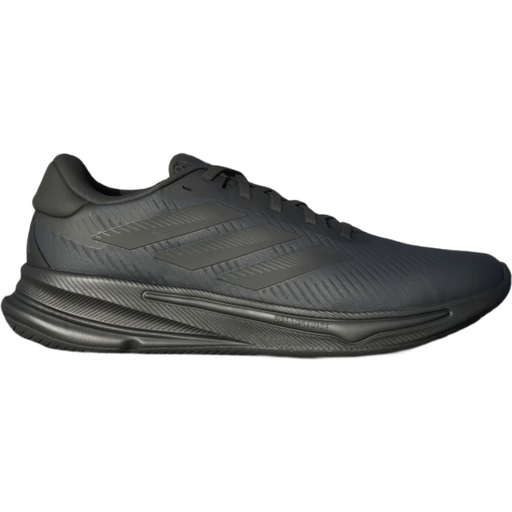
Why it suits this type of runner: According to the product description, this is an everyday running shoe for short to middle-distance runs. The combination of mesh, lace-up fastening and Dreamstrike midsole is a good fit for runners comparing comfort and a secure fit.
Its intended use is clearly defined: short to middle-distance runs and daily training. That makes it easier to compare this model with trail running shoes or walking shoes.
Full-length Dreamstrike midsole, breathable mesh upper and rubber lug outsole, according to adidas.
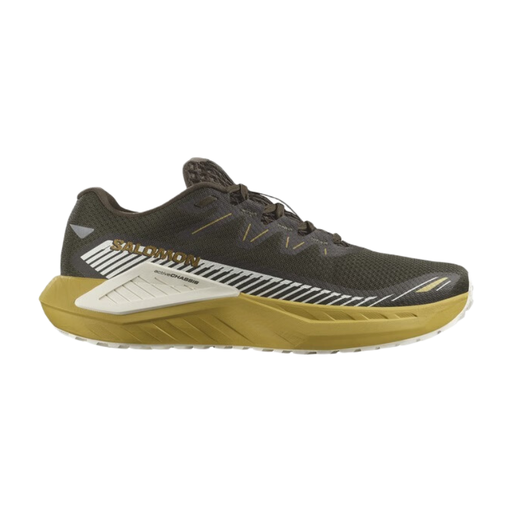
Why it suits this type of runner: According to Salomon, this model is designed for gravel, mixed terrain, trail running and walking. It’s a targeted choice for people who don’t run exclusively on tarmac.
The product description names the intended terrain explicitly. That makes it easier to check whether the sole is right for you, rather than relying on general terms such as “all-round”.
Active Chassis, Energy Foam midsole and All Terrain Contagrip rubber, according to the product specifications.
We’ve put together a complete, up-to-date list of products that fully meet these strict selection criteria and the applicable European safety regulations.
Their lifespan depends on your body weight, running style, the terrain, how well you care for them and how often you wear them. Look for wear on the tread, cracks in the upper and a midsole that has visibly or noticeably compressed. There’s no fixed mileage limit that applies to every model. Rotate your shoes between runs and let wet shoes dry at room temperature.
Choose a model with a rubber outsole, an even tread and cushioning that suits your pace and distance. The Adidas Runfalcon 5 is listed in the product information for road training and short distances of up to 10 kilometres. The Salomon Aero Glide 2 W is described as suitable for hard surfaces and urban routes. Always check the size, width and personal fit.
They can be, if the shoe has a comfortable fit, a flexible sole and enough grip. According to their product descriptions, some sports shoes, such as certain Skechers models, are designed for both exercise and everyday wear. For regular trail runs or intensive running training, a model with a suitable sole and specific support is a more sensible choice than a general-purpose casual trainer.
