
Vandaag of morgen in huis

Kwaliteit gegarandeerd

Welkomstaanbiedingen ontgrendelen: GRATIS bezorging | Tot 80% korting | Gratis 30 dagen JoyPlus-proefperiode
Download de app
Buying a pair of running shoes sounds simple, until you have to choose between models for asphalt, trail running, walking and everyday use. Marketing terms such as “maximum cushioning” or “ultralight” do not always tell you how a shoe will suit your feet and your route. A soft sole may feel comfortable when you try it on, for example, but be less suitable for a stable stride on uneven ground.
This guide will help you compare more effectively. You will learn what to look for in men’s running shoes, women’s running shoes and unisex models, as well as which features suit different uses.
Cushioned running shoes are often promoted as comfortable for long distances. However, cushioning is only one factor. Also consider the width of the shoe, the firmness of the heel and the way the sole flexes. A soft midsole without sufficient stability may feel less comfortable on winding routes or uneven cycle paths.
Lightweight running shoes often feel flexible and agile. This makes them appealing for speed or interval training, but not every lightweight model offers enough protection or grip for wet cobblestones, gravel and mud. So look at the tread on the outsole and the material used for the upper.
Sizes vary between brands and models. A shoe with a regular fit may still feel different because of the shape of the toe box, the height of the instep or the space around the heel. Measure both feet at the end of the day and compare the measurements with the product’s size chart. Also check whether the model comes up large or small. Some Skechers trainers, for example, state that you may wish to consider going down a size.
The midsole largely determines how the shoe feels. Commonly used materials include EVA foam and brand-specific foam constructions. The product information for the Adidas Supernova Ease, for example, mentions a full-length Dreamstrike midsole. According to the product description, the Adidas Galaxy 7 uses Cloudfoam, while the Ultrarun 5 lists either Bounce 2.0 or Cloudfoam, depending on the version.
When comparing shoes, look at:
Foam brand names are technical product designations. A brand’s own research may associate them with particular comfort or performance claims, but those claims will not automatically feel the same for every runner. So use the specifications and your own fit as your main points of reference.
For asphalt and urban routes, a relatively flat rubber tread is usually sufficient. For woodland paths, gravel or wet ground, deeper lugs and a more pronounced tread are more practical. Trail running shoes often offer additional grip and a more protective upper.
According to the product description, the Salomon DRX DEFY GRVL uses an All Terrain Contagrip outsole and Active Chassis support. This makes this type of shoe an interesting option for gravel paths and mixed routes. For smooth asphalt only, a trail tread may feel heavier or less flexible.
A mesh upper allows air to circulate and generally feels lightweight. Synthetic reinforcements can provide additional support. Also check whether the shoe has a lace fastening, heel loop or removable insole.
For everyday use, practical details matter:
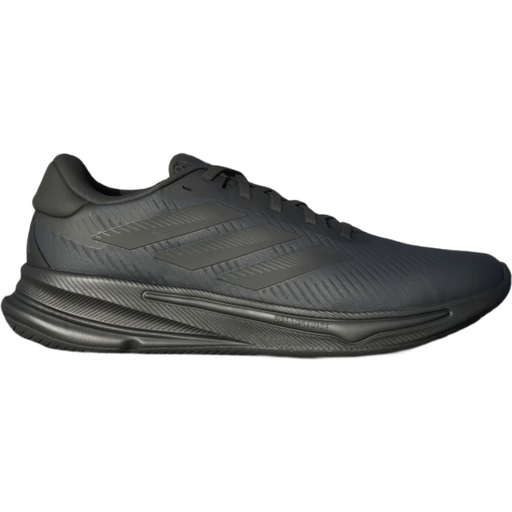
Why it suits this profile: According to the product information, this model is designed for short to medium distances and for building a running routine. The mesh upper and full-length Dreamstrike midsole are practical features for anyone looking for one pair for training and everyday use.
The product description mentions more than just cushioning: it also lists a regular fit, adjustable laces and rubber lugs for grip.
Dreamstrike foam, breathable mesh, a regular fit and a rubber outsole.
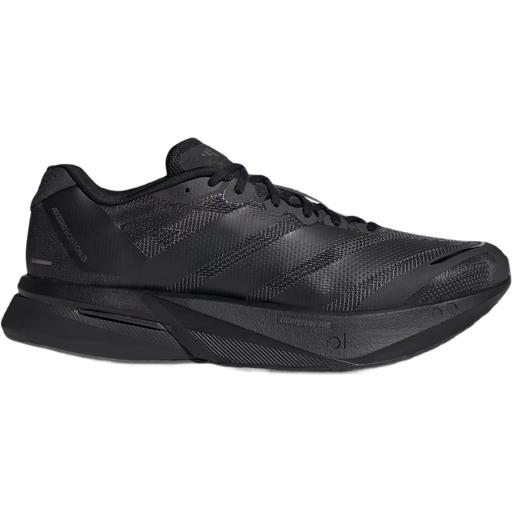
Why it suits this profile: According to adidas, this model is designed for intensive training and race preparation. The combination of Lightstrike Pro, ENERGYRODS, a breathable textile upper and Continental Rubber on the forefoot is suited to runners with specific training goals.
Its intended use is clearly defined: speed training and race preparation, rather than walking or everyday casual wear.
Lightstrike Pro, ENERGYRODS, breathable textile and Lighttraxion with Continental Rubber.
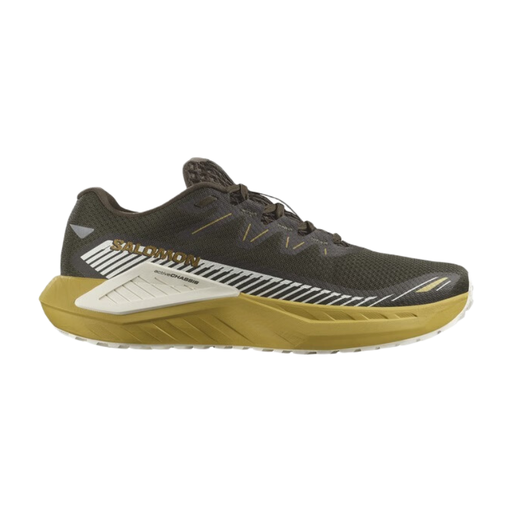
Why it suits this profile: For gravel, mixed paths and outdoor activities, support and grip matter more than keeping weight as low as possible. The product information mentions Active Chassis, Energy Foam and an All Terrain Contagrip outsole.
The model is not focused solely on soft cushioning. It combines cushioning with a stated stability system and a tread designed for mixed terrain.
Active Chassis, Energy Foam, mesh with protection against dirt and All Terrain Contagrip.
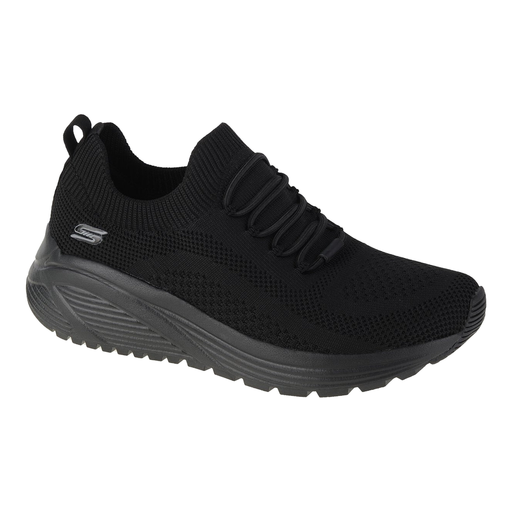
Why it suits this profile: According to the product information, this model is designed for everyday use. The breathable mesh, memory foam insole, removable insole and heel loop are particularly practical for commuting, shopping and light activities.
Its intended use is clearly described as everyday wear. This means you are not buying a dedicated trail or racing model for a casual purpose.
Memory foam insole, removable insole, mesh and a thick shock-absorbing sole.
We have put together a complete, up-to-date list of products that fully meet these strict selection criteria and the applicable European safety regulations.
Running shoes do not wear out solely because of the number of kilometres they have covered. Moisture, dirt, body weight, terrain and running style also play a part. Regularly check whether the tread is visibly worn, the midsole has become permanently compressed or the heel structure is starting to deform.
Practical care tips:
There is no universal mileage limit at which every shoe must be replaced. Look at the condition of the sole, how comfortable they feel when you run and whether there are any cracks in the upper.
Your toes should have some room to move without your foot sliding forwards. The heel should feel reasonably secure, and the laces should not create pressure points. Measure your foot and always check the specific size chart. An EU size is not identical across every brand.
This depends on the terrain, frequency of use, body weight and materials. Pay particular attention to wear on the outsole and deformation of the midsole. When used daily as walking and sports shoes, the wear pattern may differ from that of shoes used exclusively for running.
Many models can also be used for walking, but the right choice depends on the terrain. An asphalt model suits walks in town; for woodland, gravel or wet paths, trail running shoes with more pronounced tread are the more logical choice. A casual model, such as some Skechers trainers, is more focused on everyday comfort than intensive running training.
