
Vandaag of morgen in huis

Kwaliteit gegarandeerd

Welkomstaanbiedingen ontgrendelen: GRATIS bezorging | Tot 80% korting | Gratis 30 dagen JoyPlus-proefperiode
Download de app
A pair of running shoes might look lightweight, breathable and versatile on screen, but that doesn’t automatically mean they’re right for your route. You need different features for tarmac than for wet woodland trails. And shoes that feel comfortable when you’re out for a walk aren’t always suitable for longer runs.
The most common buying mistakes are:
The midsole has a major effect on how running shoes feel. EVA foam is widely used because it combines low weight with cushioning. Some models pair EVA with a brand’s own foam, such as Dreamstrike+ in certain adidas models.
Think about how you’ll use them:
When a brand mentions shock absorption or extra protection, treat it as a product claim. According to PELLIOT’s product information, the EVA midsole has high elasticity and is designed to provide rebound and shock absorption. This doesn’t guarantee a particular running experience or medical benefit.
A mesh upper generally lets more air through than a dense synthetic material. This can be useful on warm days, for indoor training and on longer runs. However, very open mesh offers less protection from rain and mud.
So check:
According to the product descriptions, PELLIOT models use sandwich mesh and woven fabric. Some versions have a TPU film for reinforcement. Adidas Supernova models have a textile and synthetic mesh upper. These are interesting options if you’re looking for breathable running shoes, but the exact level of ventilation will still depend on the fit, your socks and the conditions.
A flatter rubber tread is often enough for tarmac. For trail running and all-terrain running shoes, deeper grooves and lugs are more useful, especially on loose ground, mud or wet stones.
Consider the difference between:
According to PELLIOT’s product information, the ROCKYTEC outsole is designed to provide grip on wet rocks, mud and loose sand. Vibram Megagrip is listed on selected versions. Always check the version you choose, as not every variant will necessarily have the same outsole.
Measure both feet at the end of the day and compare your longest foot with the size chart. Leave some room around your toes for running, without letting your heel slip. A lace-up design gives you more scope to adjust the fit than a slip-on.
The product information for the models below lists different fits:
Think about care, too. Many shoes are best cleaned with a damp cloth or by hand. Avoid tumble dryers and direct heat, as these can cause glue and foam materials to deteriorate more quickly. If you use your shoes frequently, consider rotating between two pairs so the materials can recover between sessions.
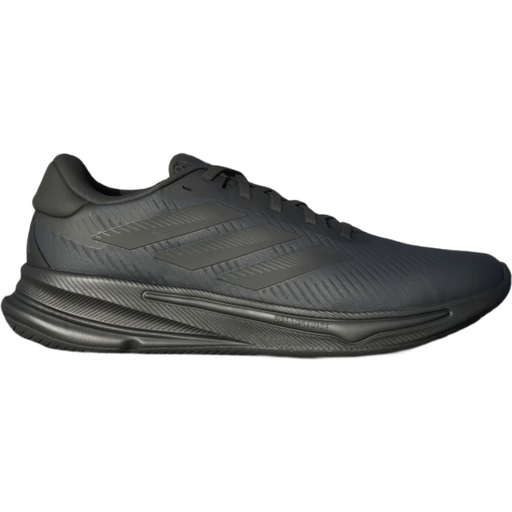
Why it suits this type of user: A model for anyone building a running routine and covering short to middle distances.
The product information lists a regular fit, breathable mesh, a full-length Dreamstrike midsole and rubber lugs.
Lace-up fastening, a mesh upper and a rubber outsole with tread.
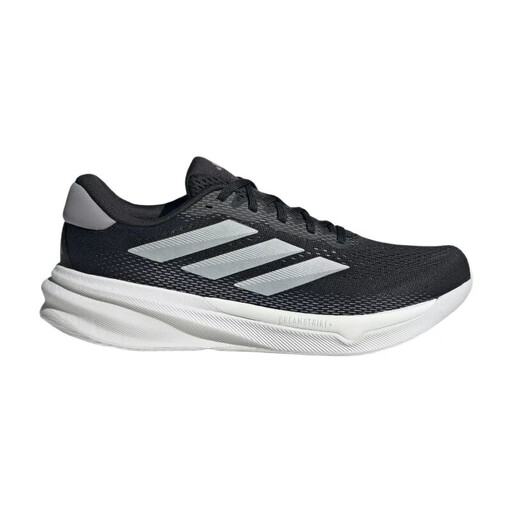
Why it suits this type of user: Designed for runners looking for a training shoe for longer runs and regular use on tarmac.
The specifications list a hybrid Dreamstrike+ and EVA midsole, rather than relying on a weight claim alone.
Adiwear rubber, according to the product description, plus a textile and mesh upper.

Why it suits this type of user: For runners who switch between tarmac, park paths and rougher terrain.
The description mentions not just ventilation, but also a durable upper and a ROCKYTEC rubber outsole.
Sandwich mesh, an EVA midsole and an outsole designed for wet and loose ground, according to the product information.
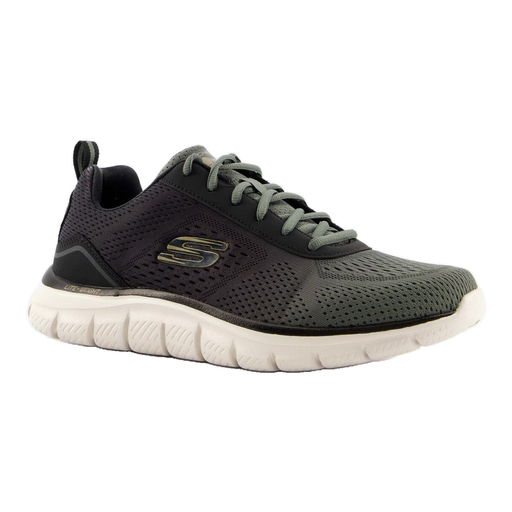
Why it suits this type of user: A practical choice for walking, everyday wear and low-intensity sports activities.
The product information specifies a regular fit, mesh inserts, lace-up fastening and a ridged outsole.
Textile upper, rubber outsole and Memory Foam insole, according to the product description.
We’ve put together a full, up-to-date list of products that meet these strict selection criteria and current European safety regulations.
It depends on your body weight, running style, surface, training frequency and how well you care for them. Regularly check the tread, the upper for tears and whether the midsole feels different. A worn outsole or lasting deformation are practical signs that it’s time to replace your pair.
They can be, but weight is only one factor. Beginners should also consider fit, cushioning, stability and the type of surface they’ll be running on. A lightweight shoe with little grip is less suited to muddy woodland trails, while a trail shoe may feel less smooth on hard, flat tarmac.
The main differences are often the sizes, widths and colours available, and sometimes the shape of the last. The product name alone doesn’t determine whether a shoe is right for you. Always check the size chart, foot length and fit. Unisex models, such as various PELLIOT versions, can be a practical option if the size and width suit you.
