
Vandaag of morgen in huis

Kwaliteit gegarandeerd

Welkomstaanbiedingen ontgrendelen: GRATIS bezorging | Tot 80% korting | Gratis 30 dagen JoyPlus-proefperiode
Download de app
Finding the right running shoes seems simple, until you have to choose between lightweight running shoes, highly cushioned models, trail running shoes and breathable trainers. Marketing often focuses on soft soles, energy return or grip, but these terms don’t always tell you how a shoe will suit your feet and running route.
Lightweight running shoes can feel comfortable during short runs, but a lower weight can sometimes mean less protection or a thinner sole. For long-distance running shoes, fit, cushioning and a stable roll-through are just as important as weight.
A thick midsole won’t automatically feel comfortable for every runner. A very soft shoe can feel unstable, while a firmer EVA sole may offer more control. So pay attention to the materials used, sole thickness and heel shape. According to the manufacturer’s own information, some models have an EVA midsole for cushioning and responsiveness. This is a product specification, not a guarantee of a particular running experience.
Tarmac and cycle paths call for a different outsole from woodland trails, wet stones or loose sandy paths. A smoother tread can be efficient on roads, but may offer less grip on a trail. If you’re looking for running shoes for road and trail, check the rubber, tread pattern and stated conditions of use.
The midsole has a major impact on how a shoe feels when you run. EVA foam is often used for its combination of low weight and shock absorption. Check the product description:
Also check whether the sole runs the full length of the shoe. According to the product description, the LI-NING YUEYING 6 has a full-length Tempo Bounce midsole. The manufacturer also mentions a wider heel and PROBAR LOC support. Treat these descriptions as technical features; suitability depends on your foot and running style.
An upper made from mesh or woven textile can help air circulate. This matters for running in warm weather, indoor fitness and everyday use. An open mesh construction generally offers more ventilation, while TPU reinforcement can provide extra protection against wear.
When choosing breathable trainers, consider the combination of:
A waterproof membrane can be useful in wet weather, but may feel warmer than a very open mesh. According to the product information, the Salomon Speedcross 5 GTX W has a GORE-TEX membrane and a deep tread for soft or mixed terrain.
When choosing grippy running shoes, don’t just look at the name of the rubber. Focus on the tread pattern and the surfaces it’s designed for. Deep lugs are useful on mud and loose earth, while a flatter pattern is generally better suited to tarmac.
Also check:
A tread designed for trail running may feel less smooth on slippery tarmac. There’s no single combination that works for every route.

Why it suits this type of runner: This unisex model is designed for anyone looking for one pair to wear for running, walking, fitness and routes that alternate between tarmac and off-road terrain. The size chart lists a foot length of 270 mm for EU 44.
The product description mentions both a breathable mesh upper and a ROCKYTEC rubber outsole. This means the choice isn’t based solely on appearance or weight.
EVA midsole, mesh and woven upper, plus an outsole for mixed terrain according to the product information.

Why it suits this type of runner: This trail model is aimed at women who regularly run on muddy or mixed trails and value a close fit and protection in wet conditions.
The product details specifically mention a GORE-TEX membrane and a Contagrip TA outsole with deep grooves. This gives you more context than simply claiming the shoe is “for all terrains”.
GORE-TEX membrane, Quicklace system, EnergyCell+ midsole and a deep tread according to the product description.
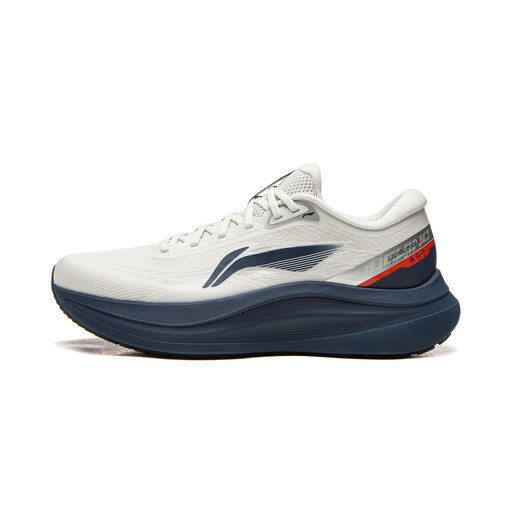
Why it suits this type of runner: This model is aimed at men looking for a wider toe box, cushioning and support for outdoor sports and longer runs.
The product information mentions a wide toe box, a widened heel and a rubber sole with traction zones. This makes the fit and intended terrain more specific.
Full-length Tempo Bounce midsole, wide toe box and rubber outsole with zonal grip according to the product specifications.
We’ve put together a complete, up-to-date list of products that meet these strict selection criteria and the applicable European safety regulations.
Measure your foot at the end of the day, when feet are often slightly larger. Place your heel against a wall and measure to the tip of your longest toe. Compare the result with the size chart for the specific model. European sizes aren’t identical across all brands.
Also bear these points in mind:
A shoe that feels right during one short walk can still cause pressure points on longer runs. So build up your use gradually.
Their lifespan depends on your body weight, how often you run, the surface, care and sole type. Don’t just go by how long you’ve had them. Look for signs of wear, such as a worn-smooth tread, cushioning that has compressed unevenly or an upper that’s coming away.
They can be, as long as the fit and stability suit the activity. For walking and fitness, breathable materials and a rubber outsole are often practical. For intense sideways movements, a dedicated training shoe may offer more support than a narrow running shoe.
You can, but the deep tread may wear faster and feel less smooth on hard surfaces. If you often switch between cycle paths and woodland trails, look for running shoes for road and trail with a moderate tread. Always check the product description and choose based on the surface you use most.
