
Vandaag of morgen in huis

Kwaliteit gegarandeerd

Welkomstaanbiedingen ontgrendelen: GRATIS bezorging | Tot 80% korting | Gratis 30 dagen JoyPlus-proefperiode
Download de app
Buying a new pair of running shoes seems simple, until you have to choose from dozens of models for women and men. A shoe may look sporty but still be unsuitable for your running route, foot shape or how often you use it. The right choice is therefore not just about the brand or colour, but mainly about features you can assess.
Many models are promoted with soft or responsive foam. That sounds appealing, but more cushioning is not automatically better. For short runs on tarmac, a comfortable midsole can be pleasant. On a technical woodland path, grip, stability and protection are at least as important.
Pay attention to the midsole material, such as EVA, Cloudfoam or another type of foam. Also check what the model is intended for according to the product description: road running shoes, mixed terrain or trail running.
An EU size can vary between brands and models. A standard fit is not the same for everyone either. A shoe that is too short can put pressure on your toes, while a heel that is too roomy can cause your foot to slide.
Ideally, measure your foot at the end of the day, wearing the socks you use when running. Compare your foot length in centimetres or millimetres with the product’s size chart. Also look for:
A smooth rubber sole can be perfectly suitable for cycle paths and tarmac, but it does not offer the same grip on mud, loose stones or wet roots. For trail running shoes, tread, toe protection and stability are more important. If you mainly walk in rainy weather, you could also consider waterproof walking shoes with a membrane, but bear in mind that waterproofing can affect breathability.
Cushioned running shoes are designed to provide comfort during repeated strides. Product information may mention terms such as Cloudfoam, Dreamstrike, EVA or Energy Foam. These names are brand-specific, so compare the overall intended use and construction above all.
According to adidas product information, the Runfalcon 5 has a Cloudfoam midsole and Ortholite sockliner. The adidas Galaxy 7 M also uses Cloudfoam and is described as a model for longer distances on the road. According to the manufacturer, the adidas Supernova Ease M has a full-length Dreamstrike midsole and is intended for short to medium-length runs.
These are adidas product claims and do not guarantee that every runner will have the same experience. Fit and running style remain decisive.
For tarmac, a relatively flat, flexible rubber sole is usually sufficient. For off-road terrain, deeper lugs and a rubber compound designed for wet surfaces are more useful. Look at the differences between:
Do not use basketball shoes as running shoes for long distances. Their sole and support are designed for short bursts of speed, jumps and sideways movement. The same applies to football boots and models with FG studs.
A mesh upper can allow air to circulate while keeping the weight low. That is practical for summer training, but a thin upper offers less protection against branches, stones and rain. Synthetic leather may be easier to clean, while textile often feels more flexible.
Also check the care instructions. According to the product information, the adidas Runfalcon 5 should not be put in the washing machine and should be cleaned with a damp cloth. The Salomon XA Pro 3D v9 GTX should likewise not be put in the washing machine, exposed to bleach or placed in a tumble dryer. Details like these affect the lifespan of your purchase.
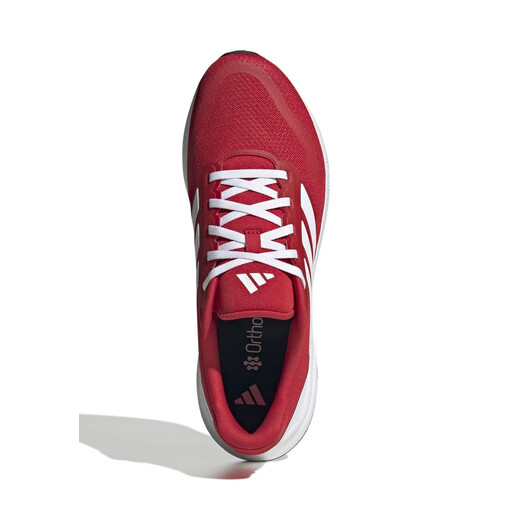
Why it suits this profile: A straightforward model for anyone starting to run on the road and building up to distances of 10 km. The lace-up fastening allows you to adjust the fit manually.
The product description states that it is intended for road training and short runs, making it easy to compare its purpose with trail or field models.
Mesh upper, Cloudfoam midsole, Ortholite sockliner and Adiwear outsole according to the product information.

Why it suits this profile: Designed for walkers and trail runners who regularly tackle wet, uneven or technical paths.
The product specifications mention GORE-TEX, 3D Advanced Chassis and a Contagrip sole – features suited to wet and uneven terrain.
Waterproof membrane, Quicklace system and a sole that Salomon says is designed for wet and dry surfaces.

Why it suits this profile: For runners who alternate between city streets, gravel paths and light trails and want one versatile pair.
The description mentions both road-to-trail use and a choice between a standard and narrow fit. Do check the exact variant before buying.
Sandwich mesh, EVA midsole and ROCKYTEC rubber according to the product specifications; hand washing and natural drying are recommended.
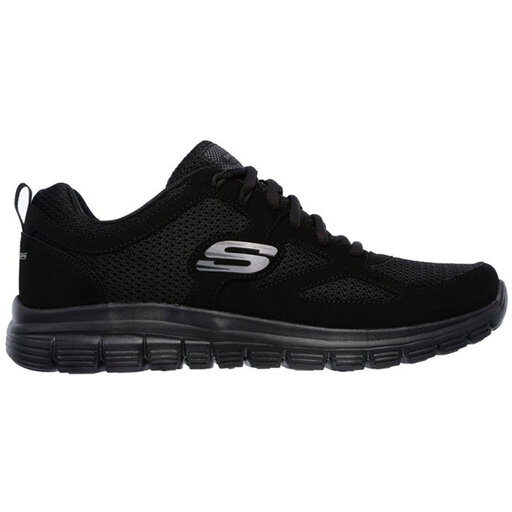
Why it suits this profile: A practical choice for everyday use, walking, commuting and light training.
The product information positions this model for everyday use, not as a specialised shoe for long or technical runs.
Mesh inserts, Memory Foam sockliner and a rubber sole according to the product description.
Clean your shoes according to the care label. A damp cloth is often safer than using a washing machine. Allow wet shoes to dry at room temperature and avoid radiator heat. Check the sole, seams and heel counter regularly.
How long shoes last depends on your body weight, running frequency, surface and care. Do not replace a pair solely after reaching a set number of kilometres. Reduced grip, unevenly worn rubber, permanent deformation or a compressed midsole are practical signs that it is time to compare your options again.
We have put together a complete, up-to-date list of products that fully meet these strict selection criteria and the applicable European safety regulations.
It varies depending on how you use them. Do not look only at mileage, but also at sole wear, loss of shape and a less stable fit. If you run regularly on tarmac, wear may become visible more quickly than with occasional use.
They can be, provided the fit and intended use are right. Low weight alone says nothing about cushioning, stability or grip. Beginners who mainly run on the road could consider a model with a comfortable midsole and standard fit.
Yes, but the reverse is less straightforward. Everyday trainers, such as certain New Balance trainers, PUMA trainers or Skechers trainers, are not always designed for repeated running loads. For regular training, running shoes with suitable cushioning and an appropriate outsole are the more logical choice.
