
Vandaag of morgen in huis

Kwaliteit gegarandeerd

Welkomstaanbiedingen ontgrendelen: GRATIS bezorging | Tot 80% korting | Gratis 30 dagen JoyPlus-proefperiode
Download de app
Buying new running shoes seems simple, until you have to choose between lightweight models, extra cushioning, trail shoes and comfortable trainers for everyday wear. An appealing product photo tells you little about fit, terrain or wear and tear. A few checks beforehand can help you avoid ending up with a pair that feels uncomfortable after a few runs or isn’t suited to how you plan to use it.
Lightweight running shoes often feel good during speed sessions, but low weight doesn’t automatically make a model suitable for long distances. Check the midsole, tread pattern and stability too. A shoe designed for tarmac may be less suitable for muddy paths or loose terrain.
Brands use different terms to describe cushioning and energy return. These are product features, not a guarantee that every runner will have the same experience. Look at the midsole material, sole thickness and fit around the heel and midfoot. If you focus only on “soft cushioning”, you could end up with a model that feels too unstable or too stiff.
Sizing can vary between brands and models. Some product listings give foot length in millimetres or centimetres; others only show an EU size. Measure your feet at the end of the day and compare the result with the size guide for the specific model. Also check whether the shoe has a regular, narrow or wider fit.
The midsole plays a big part in how a shoe feels underfoot. EVA foam, for example, is used for cushioning and bounce. The PELLIOT models are listed as having an elastic EVA midsole. Adidas uses Dreamstrike, Lightstrike or Lightstrike Pro in various models.
When comparing shoes, look at:
According to the Adidas product description, the Adizero Boston 13 is designed for intense training and race preparation. This makes it a more interesting option for runners who want to vary their pace, but not necessarily for anyone who mainly wants a comfortable shoe for leisurely walks.
A breathable running shoe usually has a mesh or textile upper. This can improve airflow, but also check the lining, reinforcements and fastening. Fully open mesh can feel airy, while a TPU reinforcement may offer extra protection on unpaved paths.
For men’s running shoes and unisex models, width is just as important as ventilation. A shoe that lets your feet breathe but pinches at the forefoot isn’t a practical choice for longer runs.
The outsole should suit your route. For tarmac and gym floors, a tread designed for a smooth heel-to-toe transition is often enough. For trail shoes, tread pattern, hard-wearing rubber and grip on wet or loose ground matter more.
So, check:
The PELLIOT Running Shoes are listed with a ROCKYTEC rubber outsole. Some versions are described in the product information as using Vibram Megagrip. As this can vary by version, it’s worth checking the specific option you’ve selected on the product page.
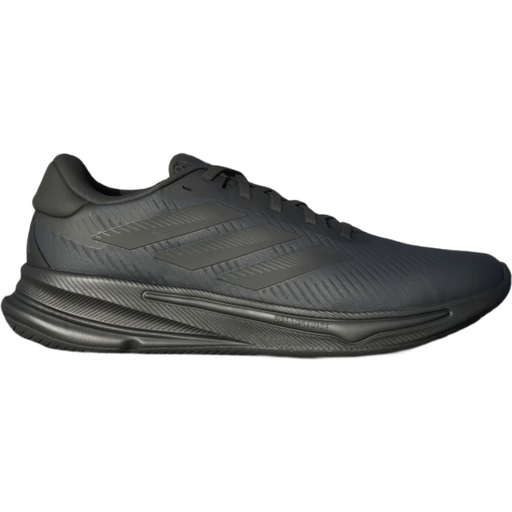
Why it suits this type of user: According to the product description, this model is designed for short to middle-distance runs and everyday training. Its regular fit and range of available sizes make it a straightforward choice if you’re looking for your first pair of running shoes.
The product information lists a breathable mesh upper, Dreamstrike midsole and rubber lugged outsole. This means you can base your choice on specific features rather than marketing terms alone.
Mesh upper, full-length Dreamstrike midsole, lace-up fastening and rubber tread.
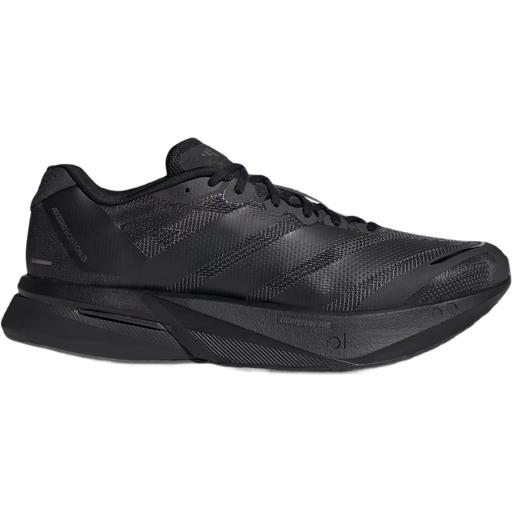
Why it suits this type of user: According to the brand description, this Adidas model is designed for intense training and race preparation. It’s a good fit for runners looking for a responsive feel and a secure fit around the midfoot.
The choice isn’t based on low weight alone: the specifications also list Lightstrike Pro, ENERGYRODS, a textile upper and a Lighttraxion outsole with Continental Rubber.
Lightstrike and Lightstrike Pro midsole, ENERGYRODS and breathable textile.
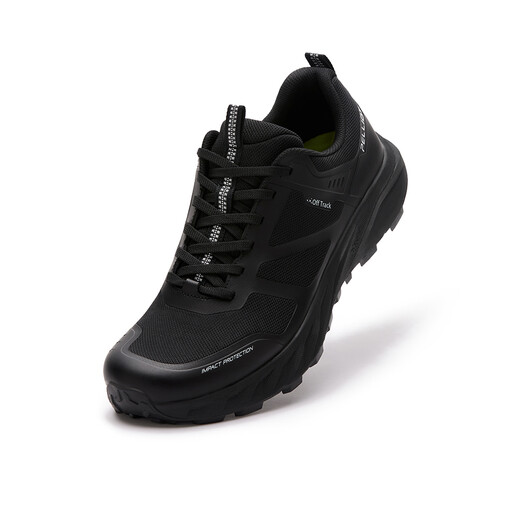
Why it suits this type of user: This model is designed for routes that take you from tarmac to off-road terrain. It’s a good option if you want one pair for city runs, woodland paths and trail-like surfaces.
The model features a hard-wearing upper, EVA midsole and ROCKYTEC rubber for grip on wet rocks, mud and sand. Check which version you’re choosing, as the reinforcements aren’t the same on every variant.
Sandwich mesh, EVA cushioning, regular and slim-fit versions, and a lugged outsole.

Why it suits this type of user: The product information positions this model for everyday wear. Its black colour, mesh upper and lace-up fastening make it a comfortable trainer for walking and light activities.
The description lists a regular fit, a D shoe width and sizing advice. This makes it easier to compare the fit beforehand, rather than judging by the appearance of black trainers alone.
Breathable mesh, rubber outsole, regular fit and a versatile black colourway.
Alongside Adidas running shoes and Skechers trainers, there are also models from PUMA, such as the Speedcat OG. According to the product information, it has a leather upper, an IMEVA midsole and a rubber outsole. That makes this type of shoe more of a casual trainer than a running shoe for long runs. Choose footwear that’s designed for the way you plan to use it.
We’ve put together a full, up-to-date list of products that meet these strict selection criteria and the applicable European safety regulations.
Their lifespan depends on how often you run, your body weight, the terrain, how well you look after them and how much the soles wear down. Don’t go by time alone. Replace a pair when the tread is clearly worn smooth, the midsole has compressed permanently or the fit has changed. Alternating between two pairs can give the materials time to recover between runs, but it won’t extend their useful life indefinitely.
Your heel should feel secure without any pressure points. You need a little room around your toes, especially if you run longer distances. Measure both feet and compare the longer one with the size guide. If you’re choosing between a regular and slim-fit version, check the width of the forefoot and any sizing advice on the product page.
You can, but it depends on the model. Running shoes are designed around your stride, cushioning and grip while you’re moving. Casual models, such as some Skechers or PUMA trainers, are mainly intended for everyday wear. If you run regularly, choose a model with a midsole and outsole suited to your distance and terrain.
