
Vandaag of morgen in huis

Kwaliteit gegarandeerd

Welkomstaanbiedingen ontgrendelen: GRATIS bezorging | Tot 80% korting | Gratis 30 dagen JoyPlus-proefperiode
Download de app
Running shoes may look similar, but the difference often lies in details you only notice during a run. A sole designed for tarmac may offer little grip on wet woodland paths. A lightweight shoe can feel comfortable but may not provide enough support over longer distances. And a size that usually fits well may leave too little room for your toes when running.
Use this practical guide to compare women’s running shoes, men’s running shoes and unisex running shoes based on features you can check: fit, midsole, upper, running surface and outsole.
Retro styles such as the Adidas Run 70s 2.0 are lightweight, flexible and suitable for everyday wear. That doesn’t automatically mean they offer the same support or cushioning as running shoes designed for regular training. So check the details of the midsole, running surface and intended use.
A soft midsole may feel comfortable when you try a shoe on, but comfort is personal. For short runs, a lightweight, flexible shoe may feel good. For longer distances, a combination of cushioning, a stable fit and a secure heel may be more important. Marketing terms such as ‘energy return’ only tell you so much unless you also know which materials and construction are used.
For tarmac, cycle paths and athletics tracks, a relatively flat rubber outsole is usually enough. On gravel, mud or wet roots, you’ll need running shoes with good grip. Trail running shoes often have a chunkier tread, but may feel less comfortable on smooth tarmac. Choose according to your regular route, not just the appearance.
Measure your feet at the end of the day, ideally wearing the socks you run in. Compare your foot length in millimetres or centimetres with the size chart for the specific model. EU sizes vary between brands and models.
Keep these points in mind:
The midsole has a major influence on how a shoe feels. Many models use EVA foam or a variation of it. Product information sometimes includes brand-specific names such as Dreamstrike, Cloudfoam, Bounce 2.0 or BOOM.
Look out for:
Claims about extra rebound, reduced fatigue or a lower risk of injury come from brand or product descriptions. Don’t treat them as guaranteed results. Fit and running style still matter.
A mesh upper is generally more breathable than synthetic leather. Breathable running shoes can be a good choice for warmer days and longer runs. Also check whether the material offers protection from branches, stones or splashes.
For the outsole, look for:
According to its product description, the Salomon DRX DEFY GRVL has an All Terrain Contagrip outsole and Active Chassis construction for gravel and mixed terrain. This makes this type of shoe a more logical choice for unpaved paths than a standard everyday running shoe.
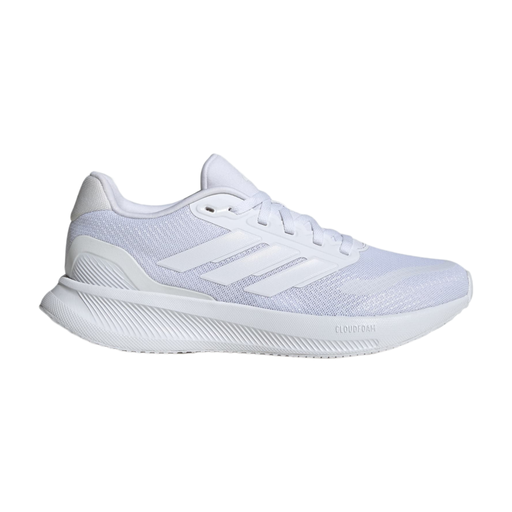
Why it suits this type of runner: The model has an engineered mesh upper and a flexible outsole, and its description covers both everyday activities and running. This makes it a practical entry-level option for short runs and an active daily routine.
The product information lists the mesh, cushioning and flexible sole separately. Do check that size 40 corresponds to your foot length of 22.9 cm.
Lightweight mesh upper, responsive cushioning and a flexible outsole for moving on hard surfaces.
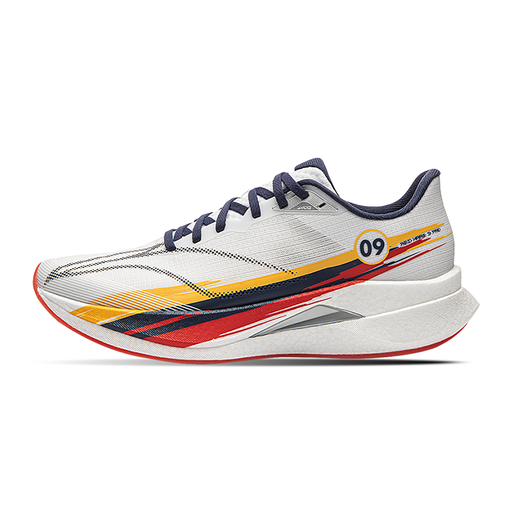
Why it suits this type of runner: According to the product description, this model combines a wide base, dual-layer BOOM midsole, rocker shape and breathable woven upper. That makes it a good match for runners who alternate between high-mileage runs and tempo training.
The specifications cover more than cushioning: they also mention width, torsion control and GCR rubber. That gives you more information than a general comfort claim.
Wide fit, dual BOOM foam layer, rocker geometry and a rubber outsole with a grippy tread.
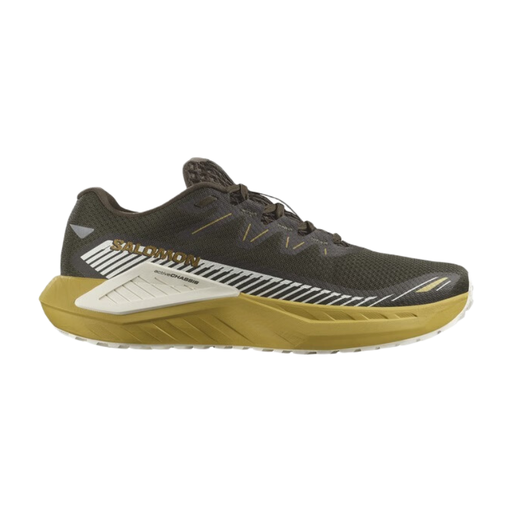
Why it suits this type of runner: According to Salomon, this model is designed for gravel and mixed terrain. Active Chassis, Energy Foam and All Terrain Contagrip are clearly linked to stability, cushioning and grip on changing surfaces.
The sole isn’t described simply as offering ‘grip’: the product page specifically names All Terrain Contagrip and use on wet and dry surfaces.
Gravel-focused stability construction, Energy Foam midsole and a rubber outsole with an off-road tread.

Why it suits this type of runner: This unisex model is designed for road-to-trail use and features a sandwich mesh upper, EVA midsole and ROCKYTEC rubber. It’s a good fit for runners who combine city paths with woodland or mountain trails.
The product information lists both standard and slim-fit versions. It also recommends hand-washing and air-drying, which can help limit wear caused by incorrect cleaning.
Breathable upper, springy EVA cushioning and a rubber ROCKYTEC outsole for loose and wet terrain.
We’ve put together a complete, up-to-date list of products that meet these strict selection criteria and the applicable European safety regulations.
Their lifespan depends on your weight, running style, terrain, training frequency and how well you look after them. Look out for compressed cushioning, tears in the upper, unevenly worn soles or reduced grip. There’s no set mileage limit that applies to every model. If you switch between tarmac and trails, it may be worth using a suitable pair for each surface.
They can be, but weight is only one factor. For long distances, the right cushioning, enough room for your toes, breathability and a stable heel are also important. A lightweight racing shoe may feel different from an everyday training shoe. Choose according to your pace, distance and preferred level of support.
For everyday wear, models with a breathable upper, rubber outsole and moderate cushioning are practical. Product information describes Adidas models such as the Runfalcon, Supernova Ease and Ultrarun 5 as suitable for daily training or active use. For gravel and unpaved routes, Salomon trail running shoes or a versatile PELLIOT model may be a better choice. Always check the size, fit and intended terrain.
