
Vandaag of morgen in huis

Kwaliteit gegarandeerd

Welkomstaanbiedingen ontgrendelen: GRATIS bezorging | Tot 80% korting | Gratis 30 dagen JoyPlus-proefperiode
Download de app
A pair of running shoes should suit your feet, running style and the surface you use them on. Yet many people choose mainly based on colour, brand name or a promise such as “maximum cushioning”. This can result in shoes that are too heavy, quickly become uncomfortable or offer insufficient grip on Dutch cycle paths and wet woodland trails.
As a Joybuy Product Recommendation Officer, I therefore start by looking at verifiable features: materials, fit, sole, cushioning and intended use. This makes it easier to see which men's running shoes, women's running shoes or unisex running shoes fit your routine.
Everyday comfort does not automatically mean a shoe is suitable for longer running sessions. Trainers such as the Skechers Burns or PUMA Anzarun Lite are practical for walking, shopping and light training. However, not all of them are designed to withstand the repeated impact of running.
Always check the stated intended use. A shoe for everyday use may be perfectly suitable for short walks or a gym session, while a model designed for road training places more emphasis on cushioning, weight and roll-through.
Cushioned running shoes often feel comfortable when you try them on. However, an overly soft feel is not suitable for every runner. Also consider stability, the width of the last and the firmness of the heel. For example, a wide foot may need more room than a standard narrow fit.
Claims about shock absorption or support come from brands' product information. According to adidas's own product information, the Galaxy 7 has a Cloudfoam midsole for cushioning. This is a product specification, not a guarantee that the shoe will feel the same on every foot.
Sizes vary between brands and models. As well as checking the EU size, check your foot length in centimetres or millimetres. On some product pages, size indications and foot lengths may not align completely logically. Always use the most detailed size guide and compare it with the length of your foot.
Measure both feet at the end of the day, wearing the socks you use for sport. When running, leave a small amount of room around the toes, but make sure your heel does not lift while you run.
The midsole largely determines how a shoe feels. Many models use EVA foam or a branded alternative such as Cloudfoam or Energy Foam. Do not look only at the name; also consider the intended use:
The right choice depends on your preferences, running pace and the surface you use. A softer shoe is not automatically more durable or more suitable.
A mesh upper is generally designed to improve ventilation. This makes lightweight running shoes and breathable trainers appealing for indoor use, warm days and road training. However, mesh allows water through more easily.
For rainy walks, waterproof walking shoes with a membrane are more practical. According to the product description, the Salomon XA Pro 3D v9 GTX uses a GORE-TEX membrane. However, consider whether you mainly need water protection or maximum ventilation: these features do not always go hand in hand.
The sole should suit the surface. For roads, pavements and athletics tracks, a relatively flat tread is often sufficient. Trail running shoes usually have a deeper tread for mud, gravel and uneven paths.
Look out for:
A trail model can feel less smooth on flat tarmac. An ordinary trainer may not provide enough grip on wet roots or mud.
The selection below is based on the listed materials, size information, sole construction and usage scenarios on the product pages.
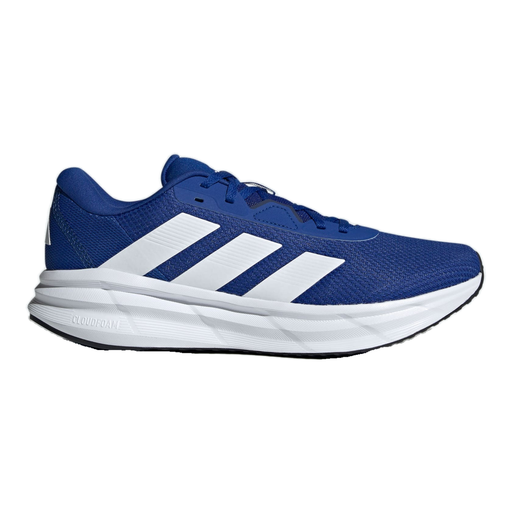
Why it suits this profile: This model is designed for road training and longer distances. The regular fit, lace fastening and Cloudfoam midsole make it a straightforward choice for anyone starting to run.
The product information specifically describes this model as a running shoe for road use. This makes it clearer what you are buying it for than with a general trainer.
Textile upper, breathable lining, Cloudfoam midsole and TPU outsole with grip.
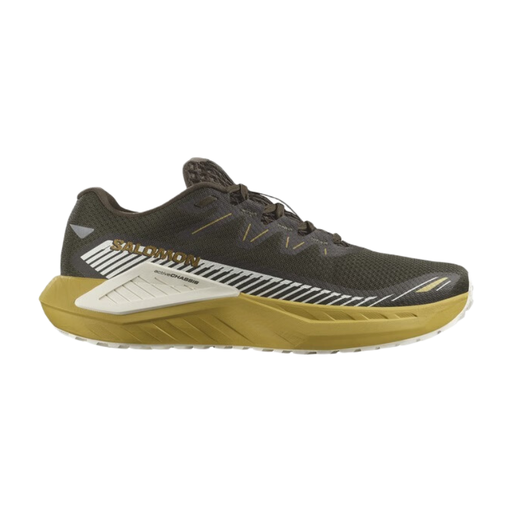
Why it suits this profile: This model is designed for gravel, mixed terrain, trail running and walking. It suits users looking for one pair for both paved routes and unpaved paths.
The product description specifies both Active Chassis support and an All Terrain Contagrip outsole. This means you can base your choice on the terrain rather than appearance alone.
Energy Foam midsole, mesh upper and All Terrain Contagrip outsole for mixed terrain.
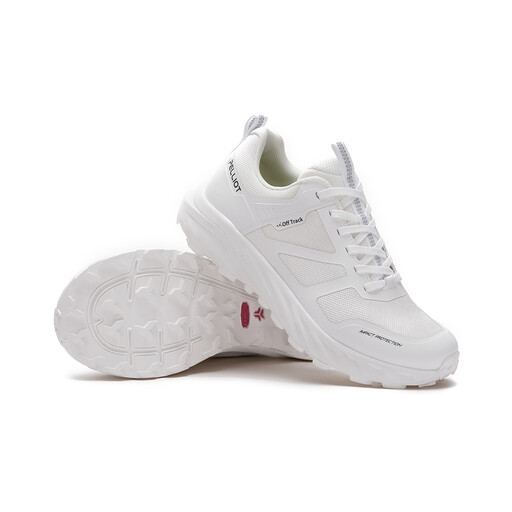
Why it suits this profile: These unisex running shoes are designed for routes that combine tarmac and trails, as well as use on different types of terrain. The mesh and woven upper is lightweight and designed to promote ventilation.
The product information lists both a standard-fit and a slim-fit version. Check which width suits your foot in advance rather than choosing based on the EU size alone.
Lightweight sandwich mesh, elastic EVA midsole and ROCKYTEC rubber outsole with a tread designed for unpaved terrain.
We have put together a complete, up-to-date list of products that fully meet these strict selection criteria and the applicable European safety regulations.
The men's or women's label often refers to the available sizes, colour and last shape. It does not mean that a women's running shoe cannot be worn by a man, or vice versa. Fit and foot length matter more than the label.
Unisex running shoes are useful when several sizes and a neutral shape are available. If you have a wide forefoot, check the stated width or choose a model with plenty of room around the toes. A regular fit is not the same as a wide fit.
Lifespan depends on how often you run, your body weight, the surface, storage and care. Check the outsole regularly for worn tread and look for compressed or unevenly deformed cushioning. These are practical signs that it is time to replace your shoes; a fixed number of kilometres does not apply to everyone.
Clean shoes according to the label. Several models in this selection must not be put in the washing machine. Use a damp cloth and mild cleaning solution, then leave them to air-dry. Avoid radiator heat and tumble dryers, as heat can damage materials and glue.
It varies depending on how they are used. Someone who runs on tarmac several times a week will wear down the sole faster than someone who mainly uses their shoes for walking. Check the grip, sole shape, creasing in the upper and comfort while running.
Yes, many models are suitable for everyday use. A road running shoe or comfortable trainer can be ideal for commuting. For demanding trail use, mud or rain, you will generally need a sole with a deeper tread or a waterproof membrane.
Your toes should not touch the front when you are standing or walking downhill. At the same time, the heel should fit securely and your foot should not slide forwards. Measure both feet and always check the size guide for the specific model before ordering.
