
Vandaag of morgen in huis

Kwaliteit gegarandeerd

Welkomstaanbiedingen ontgrendelen: GRATIS bezorging | Tot 80% korting | Gratis 30 dagen JoyPlus-proefperiode
Download de app
Finding the right running shoes can feel like a marathon in itself. The market is flooded with models promising the world, from "revolutionary cushioning" to "unparalleled energy return." As a Product Recommendation Officer at Joybuy, I see runners getting lost in these claims every day. Before you invest in a new pair, it's crucial to recognise a few common pitfalls that can cost you money and running comfort.
The 3 Pitfalls of Buying Running Shoes:
To avoid making the wrong choice, it's better to focus on a few objective specifications. These determine whether a shoe is suitable for your goals.
The sole of a running shoe is designed for a specific surface. This is the most important distinction.
The midsole determines the level of cushioning and stability. Materials like EVA, Cloudfoam (Adidas), or Energy Foam (Salomon) provide shock absorption. The stiffness of the sole and the shape of the shoe influence stability. Runners who overpronate (where the foot rolls inward too much) benefit from a shoe with more support on the medial side. For neutral runners, a more flexible shoe is often more comfortable.
A running shoe should feel right out of the box. Ensure there is enough room in the toe box (about a thumb's width) and a snug, but not tight, fit around the heel and midfoot. The material of the upper is also important: an open mesh structure is more breathable, while a more tightly woven material offers more protection, which is useful for Salomon trail shoes.
Below are a few models that align well with specific needs, based on their product specifications.
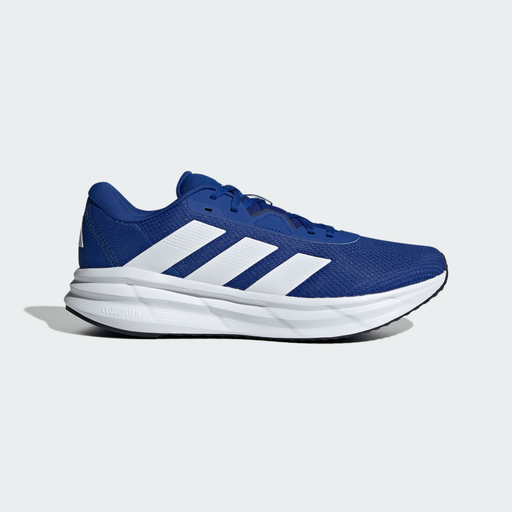
Why This Fits Their Persona: Ideal for those starting out with road running. This shoe is designed for building endurance, like for your first 5k. It provides a comfortable and supportive experience without the complexity of professional race-day shoes.
This shoe avoids the "one-size-fits-all" cushioning trap. The Cloudfoam midsole offers functional cushioning that is comfortable for short to medium distances, without the instability of overly soft soles.
Offers a great balance of comfort and support at an accessible price point. The durable textile upper ensures a good fit and breathability.
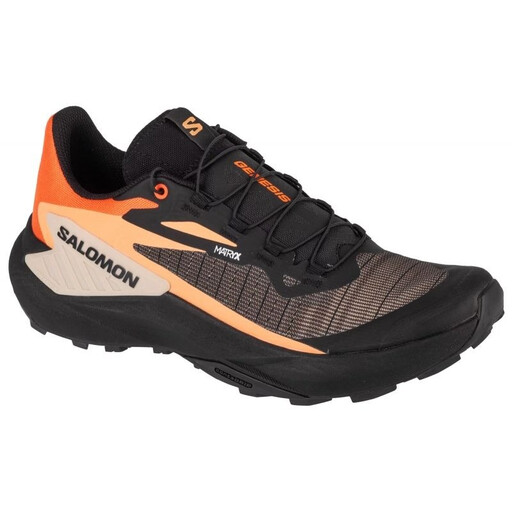
Why This Fits Their Persona: For the runner who explores forests and dunes. This shoe is built for stability and durability on challenging terrain, from muddy paths to rocky surfaces.
This is the antithesis of the "looks over function" trap. Every element, from the Active Chassis for support to the All Terrain Contagrip sole, is purely functional and focused on trail performance.
Provides superior grip and stability on technical terrain. The reinforced mesh upper protects the feet from debris and impacts while remaining breathable.
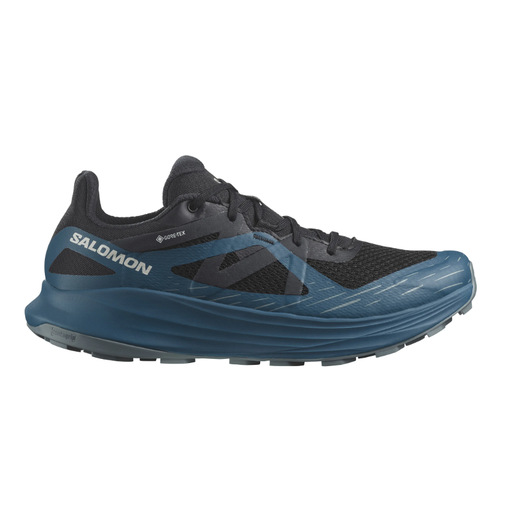
Why This Fits Their Persona: Perfect for the runner who switches between asphalt and forest trails and doesn't want to be stopped by a rain shower. This shoe offers the comfort of a road shoe with the grip and protection for off-road adventures.
This shoe cleverly addresses the "waterproof myth." The GORE-TEX membrane provides protection from wet weather, but the shoe is designed as a versatile all-terrain shoe, not an impenetrable boot. The focus is on a balance between protection and comfort.
The mixed-terrain Contagrip outsole provides reliable grip on both paved and unpaved surfaces. The soft cushioning ensures comfort comparable to a road shoe.
We have compiled a complete, up-to-date list of products that fully meet these strict selection criteria and quality standards.
A general guideline is that running shoes last between 500 and 800 kilometres. However, the lifespan heavily depends on factors like the surface you run on, your weight, and your running style. Inspect your shoes regularly. Look for wear on the outsole tread and for wrinkles or compressed material in the midsole. A midsole that has lost its resilience offers less cushioning and increases the risk of injury.
Technically, you can, but it's not recommended for long distances. The aggressive lugs of trail running shoes wear down much faster on asphalt. Furthermore, the stiffer construction can feel uncomfortable on a hard, flat surface. For the best experience and durability, use road running shoes on paved paths and trail shoes for unpaved terrain.
Not necessarily. The right shoe is the one that fits your feet, running style, and the surface you run on. An expensive shoe packed with advanced technologies you don't need is a waste of money. For example, a beginner runner will benefit more from a stable, comfortable shoe than from an ultralight racing flat. Focus on the core specifications that matter to you.
