
Vandaag of morgen in huis

Kwaliteit gegarandeerd

Welkomstaanbiedingen ontgrendelen: GRATIS bezorging | Tot 80% korting | Gratis 30 dagen JoyPlus-proefperiode
Download de app
Finding the right running shoes can feel like a marathon in itself. The market is flooded with models promising flashy technologies and bold claims. But how do you know what you really need versus what's just marketing fluff? Many runners fall into the same traps, leading to discomfort, injuries, or simply wasted money. As a Joybuy Product Recommendation Officer, I'm here to help you cut through the noise and make an informed choice.
Before we get to the recommendations, let's first look at the most common missteps:
cushioned sneakers may seem comfortable, excessive cushioning can reduce stability. This can lead to an unnatural running gait, forcing your feet and joints to work harder.comfortable sneakers lack the structure, support, and durability needed for regular running, causing them to wear out after just a few months.Trail running shoes require a completely different tread and level of protection than shoes designed for asphalt. Using the wrong type of shoe for the surface leads to reduced grip and faster wear.To avoid a bad purchase, it's better to focus on objective product features. Pay attention to the following three specifications when comparing men's sports shoes and women's sports shoes.
The midsole is the engine of the shoe, determining its cushioning and stability. Instead of looking for "maximum cushioning," focus on the type of material (often EVA foam) and the heel-to-toe drop. This is the height difference between the heel and the forefoot, measured in millimetres.
A good shoe balances cushioning with the right amount of stability for your running style.
The material of the shoe's upper determines its comfort and durability. For road running, lightweight running shoes with an engineered mesh upper are a popular choice. This material is breathable and flexible, helping to keep your feet cool and dry. For trail running shoes, you'll often see uppers with extra reinforcements, like TPU overlays, which protect against rocks and branches.
The bottom of the shoe must be suitable for the surface you typically run on.
Based on these objective criteria, we have selected a few models that suit different types of runners.
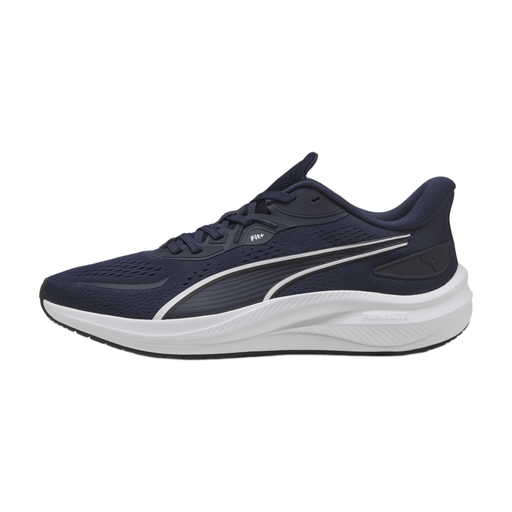
Why This Fits Their Persona: A solid choice for those who regularly run on paved roads or need a reliable shoe for walks and workouts. Functional and without unnecessary frills.
This shoe avoids the "maximum cushioning" trap. According to Puma, the PUMALITE cushioning offers a lightweight and comfortable experience without sacrificing stability, which is ideal for daily runs.
The combination of a SOFTFOAM+ sockliner and a 10mm heel-to-toe drop provides instant step-in comfort. The rubber outsole is designed for durability on the road.

Why This Fits Their Persona: Designed for runners who venture off the beaten path. This shoe is built for the transition from road to trail, offering the necessary grip and protection for varied terrain.
This model bypasses the "one shoe for everything" myth by specifically targeting all-terrain use. Its specifications are clearly tailored to the demands of trail running, not vague all-rounder promises.
According to the manufacturer, the ROCKYTEC outsole is designed for strong grip on wet rocks and mud. The durable upper, made of mesh and woven fabric, provides protection and breathability.
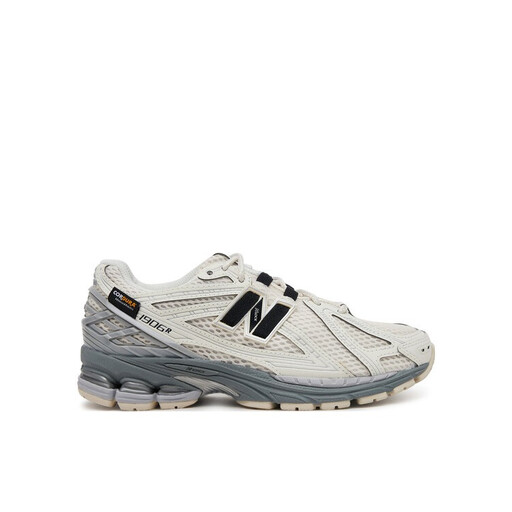
Why This Fits Their Persona: For those seeking a shoe that performs during workouts and looks great for daily wear. It combines a retro-inspired design with modern running technology.
This shoe bridges the gap between design and function. It's not just a fashion sneaker; its technical specifications, like the ABZORB midsole, prove it's built for performance.
According to New Balance, the ABZORB midsole offers exceptional cushioning and shock absorption. The Stability Web technology provides arch support, which enhances stability.
Comfort isn't just crucial for your men's sports shoes or women's sports shoes, but also for the shoes you wear every day. For those times when you're not running but still value a supportive and comfortable sole, other options are available.
We have compiled a complete, up-to-date list of products that fully meet these strict selection criteria and relevant safety standards.
A general rule of thumb is that running shoes last between 500 and 800 kilometres (approx. 300-500 miles). The exact lifespan depends on your weight, running style, the surface, and the shoe's material. Look for visible wear on the outsole and a feeling of reduced springiness in the midsole as signs that it's time for a replacement.
Yes, many modern running shoes are designed as versatile and comfortable sneakers suitable for everyday use. However, keep in mind that intensive daily wear can cause the cushioning and structure to degrade faster, which can shorten their lifespan for running.
In many cases, that's a good idea. Your feet swell during a run due to exertion and heat. It's recommended to leave about a thumb's width (roughly 1 to 1.5 cm or half an inch) of space between your longest toe and the front of the shoe. This often means going half a size to a full size larger than your normal shoe size.
