
Vandaag of morgen in huis

Kwaliteit gegarandeerd

Welkomstaanbiedingen ontgrendelen: GRATIS bezorging | Tot 80% korting | Gratis 30 dagen JoyPlus-proefperiode
Download de app
Finding the right running shoes can feel like navigating a maze. Brands promise the world with terms like "revolutionary energy return" or "ultimate cushioning." But what do you really need for your jog through the park or your marathon training? Many runners fall for the same traps, ending up with expensive shoes that don't match their running style or, worse, cause injuries.
Before you make a decision, it's wise to understand the most common missteps:
To avoid a poor purchase, it's best to focus on a few objective specifications that directly impact your running experience.
The midsole is the engine of the shoe, determining the level of comfort and responsiveness. The choice of running shoes with cushioning depends on your goal.
Consider where you'll be running most often. The outsole is crucial for grip and durability.
A good fit is essential to prevent blisters and discomfort. The shoe's upper plays a major role in this. A breathable mesh upper allows heat and moisture to escape, keeping your feet cool and dry. Both men's running shoes and women's running shoes often have a specific last tailored to anatomical differences, so pay attention to the right fit for your foot.
Based on these objective criteria, we have selected a few models that suit different types of runners.
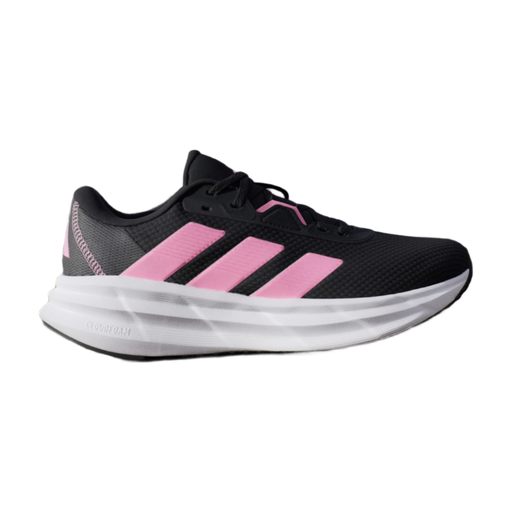
Why This Fits Their Persona: A reliable and comfortable shoe for those just starting their running journey or seeking a versatile option for short distances and daily use. It provides the necessary support without a huge investment.
This shoe focuses on the fundamentals: comfort and durability. You're not paying for advanced racing technology that you don't need as a beginner (Pitfall #2).
Its lightweight construction and soft lining offer immediate comfort. The durable outsole is suitable for various paved surfaces.
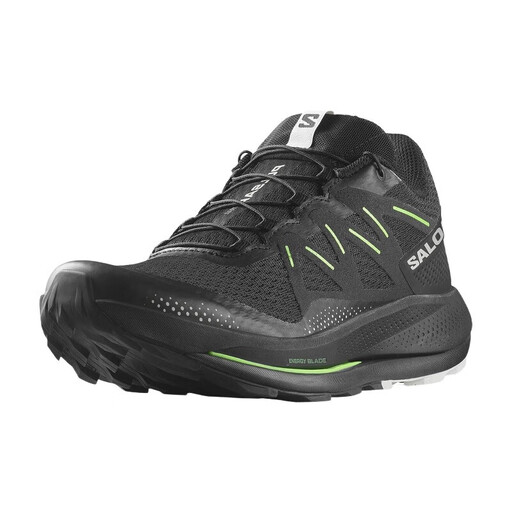
Why This Fits Their Persona: For the runner who enjoys variety, switching between asphalt and forest trails. This shoe provides the grip and stability needed for unpredictable surfaces without sacrificing comfort.
This shoe has a specific outsole designed for trail grip, helping you avoid the pitfall of an unsuitable, slippery sole on unpaved terrain (Pitfall #3).
The combination of an Energy Foam midsole for cushioning and a robust rubber outsole ensures comfort and reliable grip on diverse terrains.
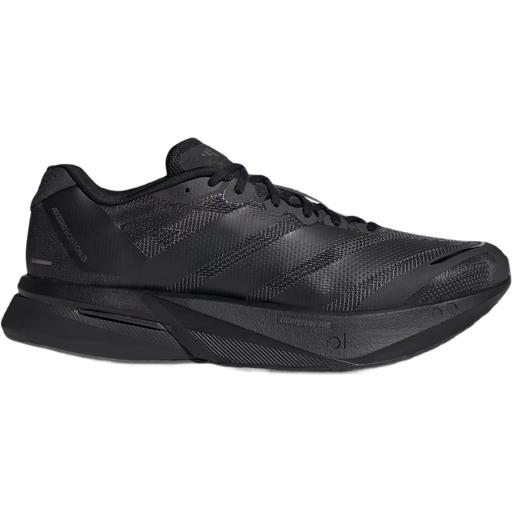
Why This Fits Their Persona: For the serious runner training for a faster time. This shoe is designed for tempo work and intensive training sessions, serving as the perfect training partner for race-day shoes.
While this shoe contains advanced technology, it's a targeted investment. The features specifically support the goal of getting faster, unlike buying an expensive race shoe for easy jogging (Pitfall #2).
The combination of Lightstrike Pro cushioning and ENERGYRODS provides a responsive and efficient running experience. The Continental Rubber outsole offers excellent grip at high speeds.
We have compiled a complete, real-time list of products that fully satisfy these strict selection criteria and UK safety regulations.
A general guideline is that running shoes last between 500 and 800 kilometres (about 300-500 miles). However, this depends heavily on your weight, running style, the surface, and the type of shoe. Look for visible wear on the outsole, or if the midsole feels less responsive and "flat." Those are signs it's time for a new pair.
The "for beginners" label isn't the most important factor. As a new runner, it's best to focus on an all-around, neutral training shoe that offers comfort and a stable fit. Focus on the basics: a good fit, suitability for the surface you run on, and cushioning that feels comfortable. Specialised racing shoes are not necessary at the beginning.
Not necessarily. Maximum cushioning running shoes are excellent for absorbing shock during long, easy-paced runs. For faster work or shorter distances, however, too much cushioning can feel heavy and reduce stability. The ideal amount of cushioning is a personal preference and depends on your training goals.
