
Vandaag of morgen in huis

Kwaliteit gegarandeerd

Welkomstaanbiedingen ontgrendelen: GRATIS bezorging | Tot 80% korting | Gratis 30 dagen JoyPlus-proefperiode
Download de app
Buying new running shoes seems simple until you have to choose between cushioning, stability, grip and fit. A shoe that feels comfortable on a short walk is not automatically suitable for a long road run or a wet woodland trail. Checking the product specifications carefully can help you avoid a poor purchase.
Terms such as “maximum energy return”, “ultra-lightweight” or “suitable for all terrains” may sound appealing, but they do not always tell you enough. It is better to check:
Performance claims come from the brand or seller. According to a brand’s own research, certain materials or constructions may offer benefits, but that does not mean every runner will have the same experience.
Standard road models are generally designed for asphalt, pavements and treadmills. On mud, loose stones or wet roots, a sole with a deeper tread is more practical. Conversely, a heavy trail sole may feel less smooth on asphalt.
If you regularly switch between urban and off-road terrain, consider a hybrid model for road-to-trail use. However, check that the sole provides enough grip and protection for your usual route.
Sizes can vary between brands and models. A standard fit in women’s running shoes or men’s running shoes is not the same as a close-fitting, race-oriented fit. Measure both feet at the end of the day and compare your foot length with the size chart.
Also look for:
Cushioned running shoes often use EVA or proprietary foam materials in the midsole. Softer cushioning can be comfortable for everyday use and longer, easy-paced sessions. A firmer model can sometimes provide more direct contact with the ground.
A thicker sole is not automatically more suitable. Consider how you will use the shoes overall: treadmill, asphalt, long distances or mixed terrain. If you mainly walk or do light fitness, you could also consider trainers with a comfortable, flexible sole.
Lightweight running shoes can feel comfortable during tempo or interval training, but lower weight may come with less structure or protection. For everyday use, a balance between weight, support and durability is often more sensible.
A mesh upper can improve airflow. These breathable sports shoes are particularly practical for indoor training and warmer days. However, mesh does not always keep out rain or splashing water. Check whether the upper includes reinforcements or a protective layer.
For asphalt, a flatter rubber tread is often sufficient. For trail running, deep grooves, durable rubber and a stable last are more important. According to the product description, the Salomon DRX DEFY GRVL uses an Active Chassis for support and an All Terrain Contagrip sole for different conditions. This makes the model relevant for gravel paths and mixed terrain, but the fit remains a personal choice.
With running shoes offering extra grip, do not look only at the number of grooves. Also consider the width of the sole, its flexibility and the firmness of the heel. Stability is particularly valuable when running on uneven ground or training outdoors for longer periods.
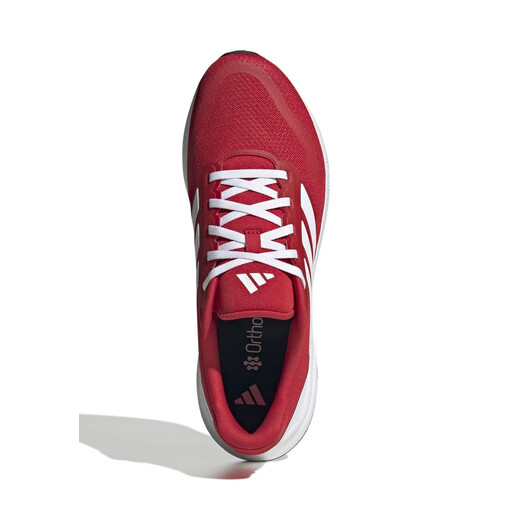
Why it suits this profile: This model is designed for road running and shorter distances of up to 10 km. That makes it a straightforward choice for anyone starting to run at an easy pace or wanting shoes they can wear every day.
The product description specifically mentions a mesh upper, Cloudfoam midsole and Adiwear outsole. You can therefore assess the choice based on materials and intended use, rather than relying on advertising language alone.
Textile mesh, Cloudfoam cushioning and a lace-up fastening. Check the stated foot length of 22,1 cm for this specific size.
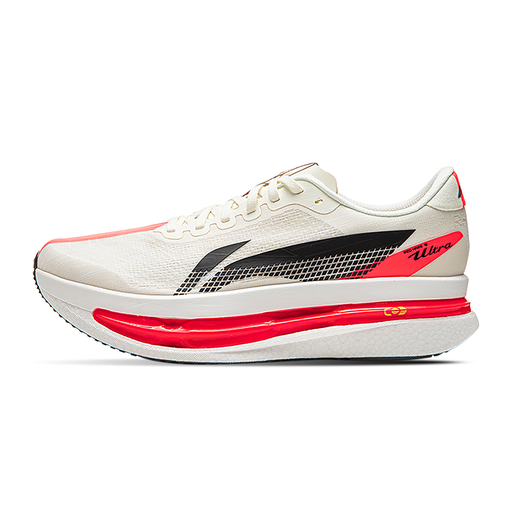
Why it suits this profile: This race-oriented model is designed for intensive training and long distances. Its close-fitting design is aimed at runners looking for a secure feel around the foot.
The product information describes a performance-focused fit and recommends choosing your usual size where possible. If you prefer more room around the toes, you could consider the stated half-size larger.
BOOM FIBER mesh, a multi-layer midsole and GCU rubber outsole according to the product description. Check whether the race-oriented fit suits your foot.
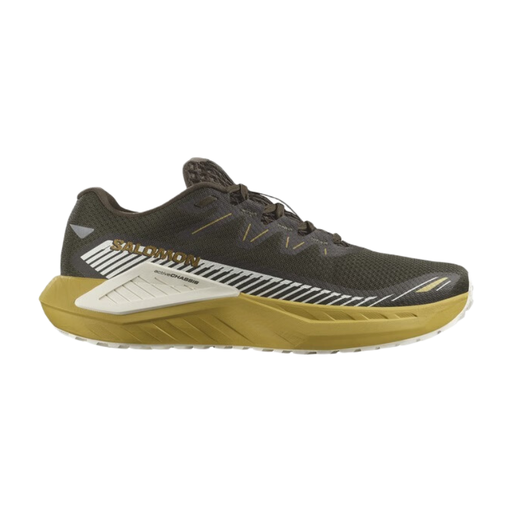
Why it suits this profile: For trail runners and outdoor enthusiasts who combine gravel, surfaced paths and changing conditions. According to the product description, this model is designed for running, walking and outdoor use.
The sole and support system are clearly specified. This allows you to check whether the model suits your terrain instead of using a standard road sole on trails.
Active Chassis, Energy Foam and All Terrain Contagrip are listed as product specifications. The mesh upper is designed to provide ventilation and protection from dirt.

Why it suits this profile: An option for anyone looking for one pair for urban routes, longer training sessions and occasional off-road terrain. This unisex version is available with a standard or slim fit.
The product page lists foot lengths and different fits. This helps you avoid ordering based on EU size alone, particularly if you have a narrow or wider forefoot.
Sandwich mesh, EVA midsole and ROCKYTEC rubber outsole according to the product description. The stated EU 42 size corresponds to a foot length of 260 mm.
The women’s running shoes or men’s running shoes label may indicate the available sizes, colours and last, but the actual fit remains the most important factor. Look at foot length, width, heel hold and toe room. A unisex model can fit perfectly well when the sizing and shape are right.
For fitness and everyday use, models such as Skechers running shoes with mesh, Memory Foam or a flexible rubber sole are practical. According to the product description of the Skechers Track-Bucolo, this is a training shoe with a Memory Foam insole and a standard fit. That makes it suitable for light training, but check that the support is right for more intensive running distances.
Lifespan depends on body weight, running style, surface and frequency of use. Look out for signs such as:
Clean shoes with a damp cloth and mild soap, unless the product page provides different instructions. Leave them to air-dry and avoid direct heat. Alternating between two pairs can be useful if you train several times a week.
We have put together a complete, up-to-date list of products that fully meet these strict selection criteria and the applicable European safety regulations.
That depends on your running distance, surface and personal preference. For easy-paced training and long distances, many runners choose a model with a comfortable EVA or proprietary foam midsole. For short tempo runs, a more direct feel may be preferable. Try the shoes gently first, within the returns period and conditions.
There is no fixed timeframe. Check the tread, upper and shape of the midsole regularly. Frequent running on asphalt places different demands on the sole than use on a treadmill or woodland paths. Replace your shoes when wear noticeably affects the fit or running comfort.
Some hybrid models can be used this way, but the tread and construction determine how comfortable they will be. Trail running shoes with deep lugs may feel less smooth on asphalt and can wear out more quickly. Choose Salomon trail running shoes or similar models mainly when a significant part of your routes consists of gravel, mud or uneven terrain.
