
Vandaag of morgen in huis

Kwaliteit gegarandeerd

Welkomstaanbiedingen ontgrendelen: GRATIS bezorging | Tot 80% korting | Gratis 30 dagen JoyPlus-proefperiode
Download de app
Choosing a new pair of running shoes seems straightforward: an attractive design, a well-known brand and a great deal. Yet many disappointing purchases are caused by the wrong fit, insufficient grip or a shoe designed for a different purpose.
Pay particular attention to these common pitfalls:
The right choice therefore depends on your running route, training frequency and preferred fit. A men’s running shoe model is not automatically suitable for every man’s foot. The same applies to women’s running shoes.
The midsole largely determines how the shoe feels. Check which material is used and how the manufacturer describes the model’s intended use.
Also consider the sole height and flexibility. A very soft shoe may feel less responsive, while a firmer midsole can provide more contact with the ground.
For UK conditions, breathable running shoes are practical on warm days, during indoor training and for longer sessions. Mesh and woven textile generally allow more air to pass through than fully synthetic leather.
Check:
According to product information from various brands, breathable mesh is associated with airflow and comfort. This is a product feature, not a guarantee that your feet will stay dry in rain or during intensive use.
The outsole should suit your route. For paved roads, a relatively flat rubber tread is usually the logical choice. For woodland paths and wet, loose surfaces, larger lugs and more durable rubber are more relevant.
Also check whether grip claims are clearly linked to a particular material or construction. The adidas Adizero Boston 13, for example, is listed with a Lighttraxion outsole featuring Continental Rubber. For certain PELLIOT models, the product information mentions ROCKYTEC rubber and, on selected versions, Vibram Megagrip. According to the brands’ own information, these materials are designed to provide grip, but your actual experience will still depend on the surface, wear and weather conditions.
Ideally, try shoes on at the end of the day while wearing the socks you use for exercise. There should be some room in front of your longest toe. If in doubt, compare the stated foot length in millimetres with the size chart. If you are specifically looking for size 42 running shoes, pay attention to the actual foot length rather than just the EU label.
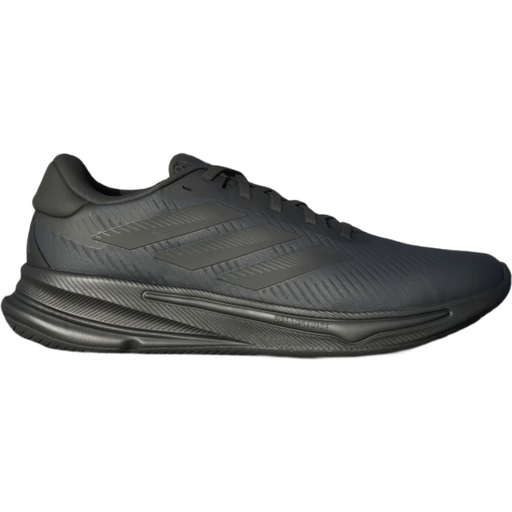
Why it suits this profile: The product information describes this model as a stable everyday running shoe for short to medium distances. The standard fit and lacing system are practical for anyone building a running routine.
Its intended use is clearly described as everyday training, so you do not have to mistake this model for a specialist racing shoe.
Breathable mesh upper, full-length Dreamstrike midsole and rubber studs according to the product description.
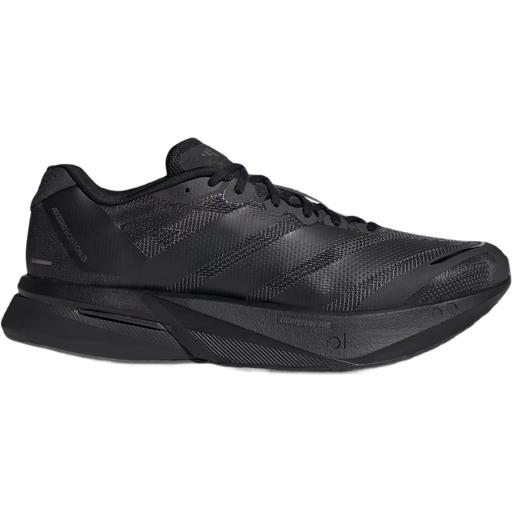
Why it suits this profile: According to the product information, this model is designed for intensive training and race preparation. It is suitable for runners looking for a lightweight, responsive shoe for tempo and interval sessions.
Its use for speed training is stated explicitly. This makes it clearer that it is not intended to be a universal shoe for every easy long run.
Lightstrike Pro, ENERGYRODS, a textile upper and Lighttraxion with Continental Rubber are listed.

Why it suits this profile: The product description focuses on road-to-trail use, long distances and different surfaces. This model is relevant for runners who regularly head onto woodland paths, gravel or hilly terrain.
The model explicitly mentions a ROCKYTEC tread and an upper with more durable reinforcement. However, always check whether your version has the stated outsole variant.
Sandwich mesh, EVA midsole, standard and slim-fit versions and a rubber outsole according to the product specifications.
We have put together a complete, up-to-date list of products that fully meet these strict selection criteria and the applicable European safety regulations.
Their lifespan depends on body weight, running surface, training frequency, maintenance and outsole wear. Look out for flattened lugs, cracks, a compressed midsole or a fit that feels noticeably different. Do not consider mileage alone; regular use as an everyday trainer also counts.
Not always. Beginners mainly benefit from the right size, sufficient room around the toes, an appropriate level of cushioning and an outsole suited to their route. A more expensive model may contain specific materials for speed or long distances, but those features are not automatically useful for every runner.
You can for light fitness and treadmill training, as long as the shoe fits securely and the sole is suitable for the exercises. For heavy strength training, sideways movements or indoor sports, a training shoe with greater lateral stability may be more practical. Therefore, always check the intended use in the product information.
