
Vandaag of morgen in huis

Kwaliteit gegarandeerd

Welkomstaanbiedingen ontgrendelen: GRATIS bezorging | Tot 80% korting | Gratis 30 dagen JoyPlus-proefperiode
Download de app
Buying a new pair of running shoes sounds simple, until you have to choose between cushioning, grip, stability, weight and fit. Marketing copy often uses terms such as “responsive”, “all-terrain” and “ultralight”, but these only mean something when you know which features suit the way you use your shoes.
The three most common buying mistakes arise from these pitfalls:
The midsole largely determines how the shoe feels when you run. EVA, Cloudfoam, React foam, Energy Foam and ABZORB are different materials or technologies mentioned in product descriptions.
Bear in mind that claims about extra comfort or shock absorption come from the product information. According to adidas’s own product description, Cloudfoam provides soft cushioning; this does not guarantee that every runner will have the same experience.
For roads and the treadmill, a relatively flat rubber tread is usually sufficient. Trail running shoes often have deeper lugs for mud, gravel and uneven paths. Hiking and trail shoes are generally designed to provide grip and protection, but they may feel heavier or stiffer than standard running shoes.
Check:
A shoe with plenty of grip may roll less smoothly on smooth tarmac. Conversely, a road running shoe with a flat outsole can slip on muddy woodland paths.
A breathable sports shoe with a mesh upper can allow air to circulate, but mesh is not automatically waterproof. For rainy walks or wet trails, a model with a GORE-TEX membrane, such as the Salomon XA Pro 3D v9 GTX, may be better suited to your needs. A waterproof construction can, however, feel less airy than open mesh.
Ideally, measure your feet at the end of the day and compare the length with the size chart. Leave some room around your toes when running, but make sure your heel does not slip. If you have wide feet, look for a wide fit, a roomier toe box or a model available in several fit options. According to the product information, the PELLIOT models are available in a standard and a slim fit.
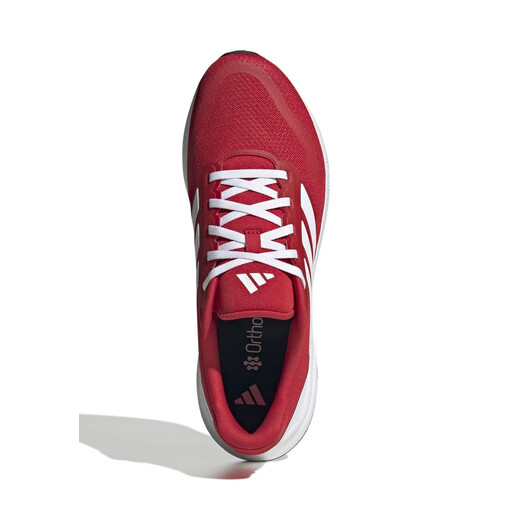
Why it suits this profile: A practical choice for short road runs and everyday use. The lace-up fastening lets you adjust the fit.
The product information specifically mentions a mesh upper, Cloudfoam midsole and Adiwear outsole. According to this information, the shoe is intended for road use and runs of 0–10 km, rather than technical trails.
Mesh for ventilation; Ortholite insole; Adiwear rubber outsole. Check the correct EU size in the variant details.
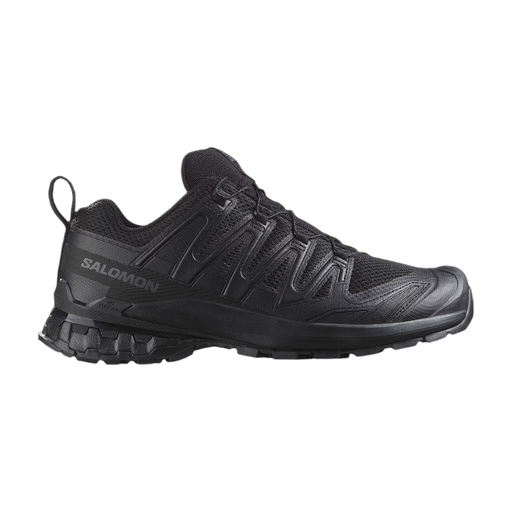
Why it suits this profile: Designed for trail running, walking and technical paths where stability, protection and weather resistance are important.
This model has not been selected based on appearance alone: the product details list GORE-TEX, a 3D Advanced Chassis, Contagrip outsole and Quicklace fastening.
Waterproof membrane according to the product description; lugged outsole for different surfaces; quick lace adjustment.
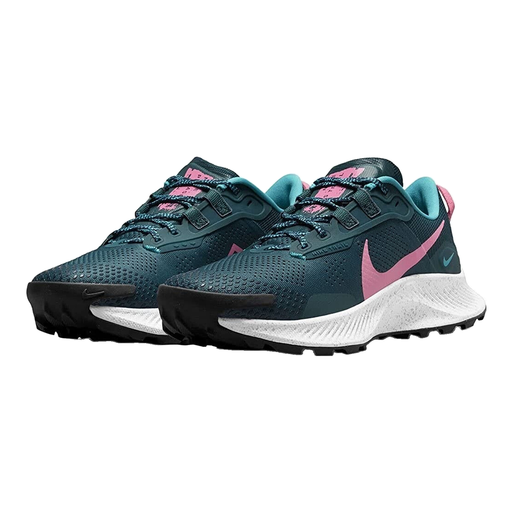
Why it suits this profile: For anyone wanting to combine roads, urban routes and light to moderate trails in one pair of shoes.
The product description mentions a React midsole, multidirectional lugs and a reinforced toe and heel. This makes its intended use clearer than that of a general sports shoe.
Mesh upper; rubber outsole with multidirectional lugs; reinforcement in areas exposed to extra wear on trails.
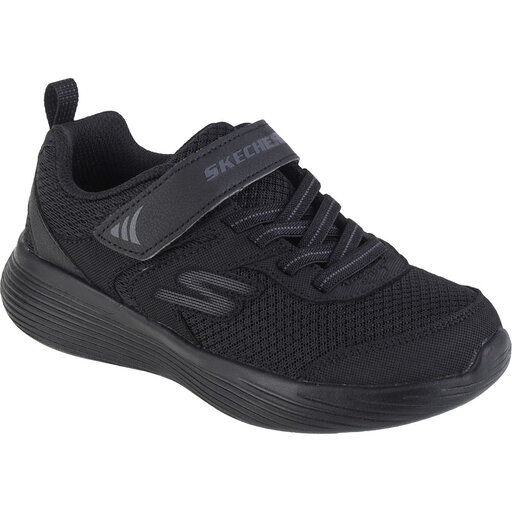
Why it suits this profile: A low-cut model with a hook-and-loop fastening for school, play and children’s everyday activities.
The details state that it has a regular fit, mesh upper, rubber outsole and sizing advice. This makes it easier to choose based on function rather than design alone.
Hook-and-loop fastening; breathable mesh according to the product description; rubber outsole for grip during everyday use.
We have put together a complete, up-to-date list of products that fully meet these strict selection criteria and the applicable European safety regulations.
Search results for men’s running shoes and women’s running shoes differ in more than just colour. Pay particular attention to the available size range, width and shape of the last. Fit is more personal than whether a shoe is labelled for men or women.
For children, children’s running shoes are often used as everyday sports shoes too. A flexible sole, secure fastening and sufficient room around the toes are then more important than maximum cushioning. Skechers children’s shoes with hook-and-loop fastenings can be practical for children who put their shoes on themselves.
If you are looking for a lightweight pair, consider lightweight running shoes with mesh and a relatively thin upper. For everyday use, a sturdier model, such as certain New Balance trainers, may make more sense. Always check whether the shoe is actually intended for running or is mainly offered as a lifestyle model.
Their lifespan depends on body weight, running technique, surface, care and frequency of use. Regularly check the tread, cracks in the midsole and wear on the heel. A shoe that is visibly misshapen or no longer feels stable may need replacing. There is no fixed mileage that applies to every model.
For occasional short runs, you sometimes can, but ordinary sports shoes do not always offer the right combination of fit, cushioning and outsole tread. For regular running, shoes specifically described as being for road, trail or mixed terrain are generally easier to assess.
A waterproof membrane can be useful in rain and on wet paths, but a mesh model may offer more ventilation in warm weather. Choose according to your route and the season. For dry road training, breathable sports shoes are often more practical; for wet walking and trail shoes, water resistance may be more important.
