
Vandaag of morgen in huis

Kwaliteit gegarandeerd

Welkomstaanbiedingen ontgrendelen: GRATIS bezorging | Tot 80% korting | Gratis 30 dagen JoyPlus-proefperiode
Download de app
Buying running shoes seems simple until you have to choose between cushioning, grip, stability, weight and fit. A shoe that feels comfortable during a short walk is not automatically suitable for a long-distance run or a muddy woodland path. With this practical guide, you can compare running shoes based on the features that really make a difference in the Netherlands.
Adidas running shoes, Salomon trail running shoes and models from other well-known brands can be designed for very different purposes. A retro trainer such as the Adidas Run 70s 2.0, for example, is primarily focused on everyday comfort and a sporty look. That does not automatically make it a technical running shoe for long distances.
More cushioning is not essential for every runner. A soft midsole may feel comfortable, but the sole construction, fit and stability also determine how the shoe performs while running. So look at the combination of midsole material, sole width and running surface.
Running shoes for road use generally have a flatter tread than trail running shoes. Extra grip is useful on wet paving stones or gravel, while a deep trail tread may feel less natural on smooth tarmac. According to the product description, waterproof running shoes keep rain and moisture out more effectively, but a waterproof membrane can also reduce ventilation. For warm summer days, a breathable mesh upper is often the more sensible choice.
First, consider where you usually run:
Terms such as “energy return” or “shock absorption” often come from brand communications. A brand’s own research may quote specific percentages, but those figures do not automatically tell you how a shoe will feel for every user. Instead, compare the verifiable information:
Cushioned running shoes can feel comfortable at an easy pace and during longer training sessions, while lightweight running shoes with a more direct feel may be better suited to faster-paced work. A carbon or fibreglass plate also requires some adjustment and is not essential for recreational running.
Measure your feet at the end of the day, when they are often slightly larger. Compare the measurement with the size chart for the specific model. Sizes vary between brands and models, so an EU size does not guarantee the same internal length.
Pay attention to the following:
Women’s running shoes and men’s running shoes may differ in width and shape, but the actual fit of the model remains the deciding factor. Unisex models are not automatically suitable for every foot.
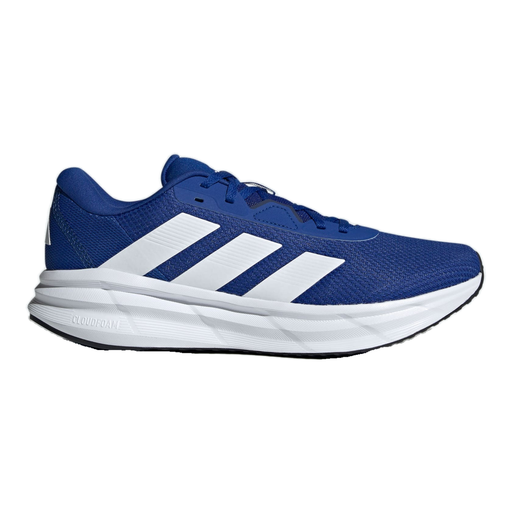
Why it suits this profile: A practical model for beginner runners who mainly train on tarmac and want one pair of sports shoes for anything from short runs to longer, easy-paced sessions.
The product information specifically mentions a regular fit, Cloudfoam midsole and TPU outsole. This means you can assess the choice based on intended use and construction, not just the brand.
Textile upper, Cloudfoam cushioning and a durable TPU sole according to the product description.

Why it suits this profile: Designed for trail runners, walkers and active users who value stability, grip and protection on wet or technical paths.
The choice is not based on a general claim about grip: the product description lists a GORE-TEX membrane, 3D Advanced Chassis, Contagrip sole and Quicklace system.
Waterproof protection according to the product information, plus a sole specified for both wet and dry surfaces.
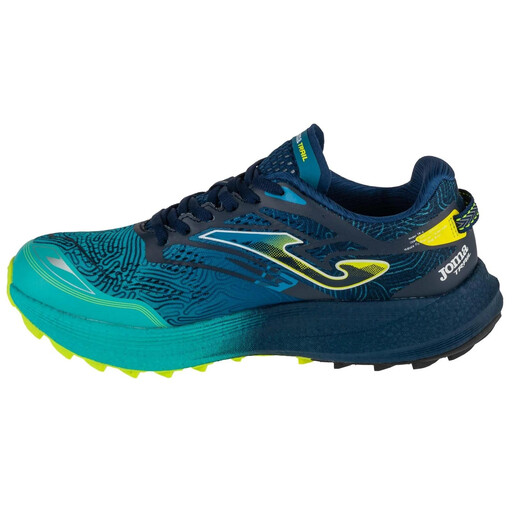
Why it suits this profile: An option for trail training and routes with stones, uneven ground or slippery sections, where protection and grip matter more than a minimalist design.
The specifications list a mesh upper, EVA midsole, treaded sole and reinforced toe and heel. This makes it clear which features are suited to off-road running.
Breathable mesh, EVA shock absorption and a high-grip rubber sole according to the product description.
We have put together a complete, up-to-date list of products that fully meet these strict selection criteria and the applicable European safety regulations.
After a wet training session, clean your running shoes with a damp cloth and let them dry at room temperature. Do not place them on a radiator or use a tumble dryer unless the product instructions expressly permit it. Mud can reduce ventilation and grip if you allow it to dry on the shoes.
How long they last depends on running frequency, body weight, surface and materials. Regularly check whether the tread is becoming smooth, the midsole is permanently compressed or the heel structure is becoming misshapen. If there is clear wear, replacing the shoes is wiser than relying solely on the number of miles run.
Choose a model with a relatively flat rubber or TPU outsole, sufficient cushioning and a fit that securely holds your heel. For short distances, models such as the Adidas Runfalcon 5 are intended for road training and distances of up to 10 km according to the product information. Always check the latest size and product details.
There is no fixed lifespan. Shoes used every day on tarmac wear differently from shoes used for occasional trail runs. Pay particular attention to wear on the tread, tears in the upper, an unevenly worn sole and reduced comfort. You could alternate between two pairs to give the materials time to recover between runs.
Not necessarily. Cushioned running shoes can be comfortable over long distances, but fit, stability and weight remain decisive. Choose a model in which your foot does not slide around during a longer, easy-paced training session and where you have enough room around your toes. A brand’s performance claims or percentage figures should be viewed as marketing communication, not as a guarantee of your running experience.
