
Vandaag of morgen in huis

Kwaliteit gegarandeerd

Welkomstaanbiedingen ontgrendelen: GRATIS bezorging | Tot 80% korting | Gratis 30 dagen JoyPlus-proefperiode
Download de app
A pair of running shoes can look convincing online and still not suit the way you move. A soft sole, for example, is not automatically suitable for long distances. And a lightweight model that feels comfortable in the shop may not offer enough grip on wet woodland paths.
For Dutch runners, walkers and active families, these three pitfalls are particularly important:
Focusing only on weight
Lightweight running shoes can feel comfortable, but low weight says nothing about stability, durability or grip. Always look at the sole material and the type of surface the shoe is designed for.
Confusing cushioning with support
A shoe with plenty of foam may feel soft underfoot, but that does not necessarily mean it provides the right support. Cushioning, fit and heel stability are different properties. Choose based on how you will use the shoes and the shape of your feet, not just a term such as “maximum cushioning”.
Not checking the size
Shoe sizes can vary between brands and models. Measure both feet at the end of the day and compare your foot length with the size chart. When running, a little room around the toes is useful, especially as your feet may swell slightly over longer distances.
For tarmac, fitness and everyday use, breathable trainers with mesh are often comfortable. According to PELLIOT’s product description, a sandwich-mesh upper allows heat and moisture to escape more easily. This can help keep the shoes comfortable during longer activities.
For trail running, ventilation alone is not enough. Branches, stones and mud call for a stronger upper or extra reinforcement around the toe and heel. Look for a combination of mesh, woven material and, where appropriate, a TPU layer. A fully enclosed or lined model may be less airy, but can offer more protection in wet and cold weather.
Running shoes with cushioning often use EVA foam or a proprietary foam construction. EVA is lightweight and widely used in midsoles. However, the amount and firmness of the foam determine how the shoe feels.
According to the product information, the adidas Galaxy 7 M has a Cloudfoam midsole and a TPU outsole. This makes the model an interesting option for anyone looking for a standard road-running shoe. Do not automatically expect the same grip or protection as with trail running shoes.
If you mainly run on tarmac, an outsole with a relatively flat tread is usually sufficient. For wet cycle paths, gravel and woodland terrain, running shoes with good grip are more practical. Look at the rubber compound, tread depth and positioning of the lugs.
For technical routes, Salomon trail shoes are a well-known product category. According to the product description, the Salomon XA Pro 3D v9 GTX uses a Contagrip outsole and a 3D Advanced Chassis for stability. The model also has a GORE-TEX membrane, which the product information describes as offering protection against water. When buying, always check the current product specifications and care instructions.
A deep tread can be advantageous in mud, but may feel less smooth on slippery tarmac. One shoe for every surface is therefore a compromise.
A beginner running in the city has different requirements from someone who runs weekly on hilly woodland paths. Use this practical guide:
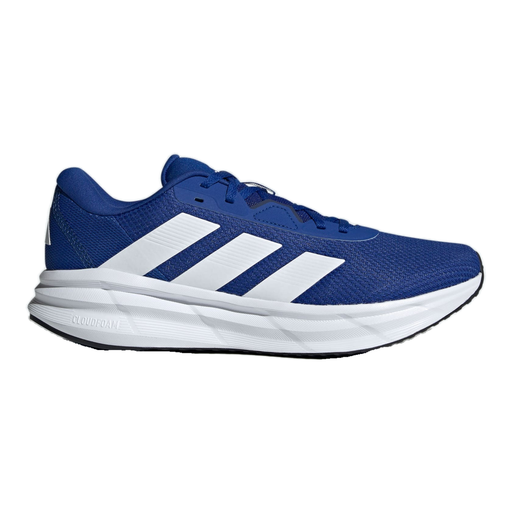
Why it suits this profile: A practical choice for anyone starting to run and mainly training on tarmac, in the park or on a treadmill. The product information lists a regular fit, textile upper and Cloudfoam midsole.
The specifications clearly state what the shoe is designed for. This means you are less likely to confuse a road model with trail running shoes.
Cloudfoam midsole, textile construction, lace fastening and TPU outsole according to the product description.
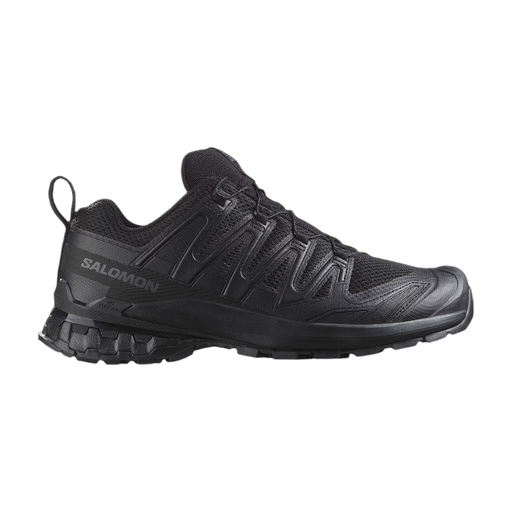
Why it suits this profile: Designed for trail running, walking and more rugged terrain. The combination of GORE-TEX, 3D Advanced Chassis, Quicklace and Contagrip is well suited to wet paths and technical routes.
The sole and construction are specifically described for different surfaces. That is more concrete than a general claim about outdoor performance.
GORE-TEX membrane, Contagrip rubber and reinforced toe and heel according to the product information.

Why it suits this profile: Suitable for runners who combine tarmac with unpaved paths. According to the product description, the model has a sandwich-mesh and woven upper, EVA midsole and ROCKYTEC rubber outsole.
The description mentions ventilation as well as durability and grip. However, check whether the standard or slim fit suits your foot.
Lightweight sandwich mesh, EVA cushioning, a choice of fits and a ROCKYTEC rubber outsole according to the product information.
We have compiled a complete, up-to-date list of products that fully meet these strict selection criteria and the applicable European safety regulations.
Measure your foot on a sheet of paper and compare the longest measurement with the product’s size chart. Ideally, try on running shoes while wearing the socks you use for running. The heel should fit securely, while your toes should not press against the front.
Allow shoes to dry at room temperature after a wet training session. Do not use a radiator or hairdryer; direct heat can deform materials. Always follow the washing instructions. The PELLIOT model specifies hand-washing with mild soap and cold water, while models with electronic light-up components, such as certain children’s shoes, should not be put in the washing machine.
Lifespan depends on running frequency, body weight, surface, care and materials. Look out for a smooth, worn tread, cracks in the upper or a compressed midsole. These are more useful indicators than simply counting how many months you have owned the shoes.
Allow roughly a small thumb’s width of room in front of your longest toe. The heel should not slip and the midfoot should be held evenly. If in doubt, your foot measurement and the specific size chart are more important than the nominal EU size.
Many road-running models can be used for walking, provided the fit and sole feel comfortable. For long walks over rocks, mud or wet paths, walking shoes or trail running shoes are often the more sensible choice because of their tread and protection. Do not automatically use a casual model such as New Balance trainers or Skechers trainers for intensive training.
Replace them when the cushioning clearly feels less even, the tread is heavily worn or the upper no longer provides proper support. The right time varies depending on the user and the surface. Check your shoes regularly, particularly if you run several times a week.
