
Vandaag of morgen in huis

Kwaliteit gegarandeerd

Welkomstaanbiedingen ontgrendelen: GRATIS bezorging | Tot 80% korting | Gratis 30 dagen JoyPlus-proefperiode
Download de app
Buying a new pair of running shoes seems straightforward – until you have to choose between lightweight running shoes, cushioned shoes, trail running shoes and comfortable sports shoes for everyday wear. Marketing copy often focuses on technology and performance, but fit and intended use are just as important.
If you focus only on the brand, colour or discount, you could fall into one of these three common traps:
So don’t rely only on search terms such as Nike running shoes, adidas running shoes or New Balance running shoes. Focus on the specific features of each model.
Measure both feet at the end of the day, when they’re often slightly larger. Compare your longer foot with the product’s size guide. When running, leave a little room around your toes so your foot doesn’t slide forwards and hit the front of the shoe.
Also consider the shoe’s last:
For children’s shoes, such as the New Balance PC574EVN, a hook-and-loop fastening can be practical for school, play and everyday wear. Check regularly that the size still fits.
The midsole largely determines how a shoe feels. Product specifications may mention EVA, ABZORB, React, Cloudfoam, Bounce 2.0 and Zoom Air. These are brand or material names for cushioning and responsiveness; on their own, they don’t guarantee that a shoe will suit every foot.
Look at the combination of:
According to the product description, the New Balance U1906ROA has an ABZORB midsole and Stability Web technology. Decide for yourself whether this combination suits your running style and preferred level of support.
For tarmac and paved cycle paths, a rubber outsole with a relatively flat tread is usually enough. For woodland, sand and hilly terrain, running shoes with good grip and deeper lugs are a better choice.
When choosing trail running shoes, check:
A trail shoe may feel heavier or stiffer on tarmac. Conversely, a road shoe usually offers less grip on mud and loose ground. So decide whether you need shoes for roads, mixed terrain or trails before choosing a brand.
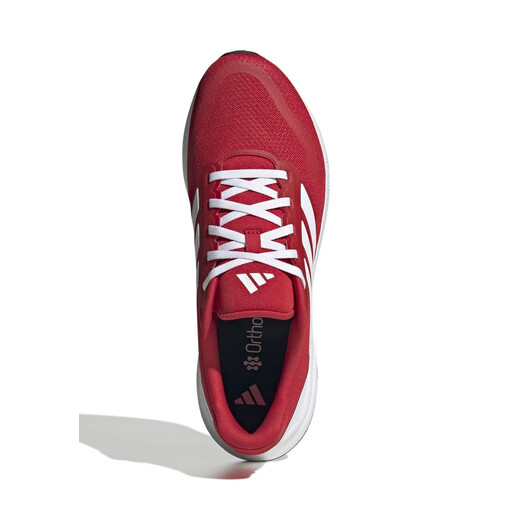
Why it suits this profile: The mesh upper, Cloudfoam midsole and Adiwear outsole are designed for everyday running and short distances of 0 to 10 km.
The product information gives both the size and a specific intended distance, so you don’t have to choose this model based on looks alone.
Breathable mesh, Cloudfoam cushioning and an Adiwear outsole, according to the product specifications.
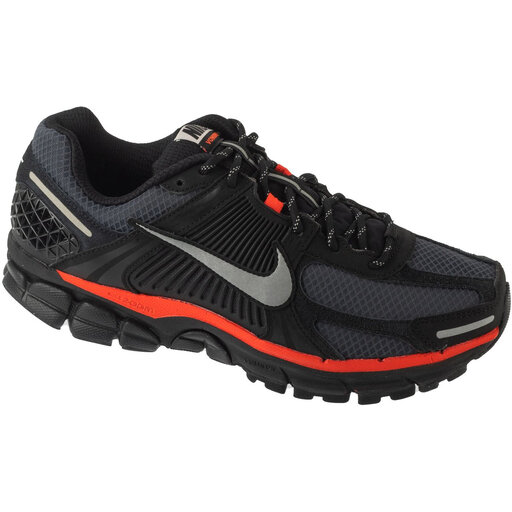
Why it suits this profile: According to the product description, this model combines mesh with synthetic overlays, a padded collar and Zoom Air units. That makes it suitable for sport and everyday wear.
The specifications list the material, fastening, cushioning and outsole separately. This lets you weigh up the practical features alongside claims about style.
Mesh with reinforcements, Zoom Air cushioning and a rubber outsole with a waffle tread, according to Nike’s product information.

Why it suits this profile: According to Salomon, this model is designed for soft and mixed terrain. Its deep tread lugs, GORE-TEX membrane and Quicklace fastening make it a good fit for trail running and wet conditions.
This shoe hasn’t been chosen for cushioning alone: the product information clearly covers terrain, water resistance and grip.
GORE-TEX, a Contagrip TA outsole, an EnergyCell+ midsole and Quicklace, according to the product description.

Why it suits this profile: This unisex style is designed for the transition from road to trail and features a lightweight mesh upper with an EVA midsole.
The product page gives sizing information for different foot types and clearly states the intended terrain.
Sandwich mesh, responsive EVA cushioning and ROCKYTEC rubber, according to the product description.
How long running shoes last depends on your running distance, body weight, the terrain, how you store them and the materials they’re made from. Don’t replace a pair based on a fixed timeframe alone. Look out for:
Clean your shoes according to the brand’s instructions. Many models shouldn’t go in the washing machine or tumble dryer. Cleaning them by hand with a soft brush or damp cloth and leaving them to air-dry helps avoid unnecessary strain on the mesh, bonded seams and rubber.
When buying running shoes online, also check the current size, colour, stock availability, returns policy and product details. According to the product information, the listed models come with a statutory warranty of at least two years; additional rights may apply under the relevant Dutch law.
We’ve put together a complete, up-to-date list of products that meet these strict selection criteria and the applicable European safety regulations.
It depends on how you use them and how much they’ve worn. Check the outsole, midsole and fit regularly. A visibly worn tread or reduced support are practical signs that it may be time to consider a new pair.
Often, yes – especially if the model has a comfortable fit and flexible sole. Check that the tread and firmness are suitable for the terrain you’ll be walking on.
You can, but they may feel heavier or stiffer than road shoes. Deep tread lugs also wear down faster on hard surfaces. Choose trail running shoes if you regularly run on woodland paths, sand or other unpaved terrain.
