
Vandaag of morgen in huis

Kwaliteit gegarandeerd

Welkomstaanbiedingen ontgrendelen: GRATIS bezorging | Tot 80% korting | Gratis 30 dagen JoyPlus-proefperiode
Download de app
Buying a new pair of running shoes seems straightforward, until you have to choose between cushioning, weight, grip and fit. Marketing terms such as “extra responsive” or “suitable for all terrains” don’t always tell you how a shoe will perform on Dutch cycle paths, tarmac and wet woodland trails.
The right choice depends above all on how you’ll use them, your foot shape and the distances you run. Read on to find out what to look for, which pitfalls to avoid and which models suit different types of runner.
A thick or soft midsole can feel comfortable when you try a shoe on, but that doesn’t automatically mean it’s right for your running style. A soft sole can feel good for short runs. If you regularly run longer distances, also consider stability, fit and how well the shoe supports your whole foot.
Cushioned running shoes are particularly worth considering for road running and everyday training. Don’t just look at the name of the foam; check the midsole material too. EVA, Cloudfoam, Dreamstrike and Bounce 2.0 are different material or product names. The exact feel varies from model to model and from person to person.
A flat rubber outsole may be fine for tarmac, paving and treadmills. On wet leaves, loose earth or stones, you’ll benefit more from a tread with pronounced lugs and a rubber compound designed to provide grip.
If you’re looking for running shoes for road and trail, check that the product description specifically mentions both uses. A breathable upper doesn’t make a shoe a trail model.
Sizing varies between brands and models. Even the same European size can fit differently depending on the width of the last, the shape of the toe box and the amount of room around the heel.
Ideally, measure your feet at the end of the day, wearing the socks you run in. Then compare your foot length in millimetres or centimetres with the size chart. Leave a little room around your toes for longer distances, but make sure your heel doesn’t lift as you run.
A mesh or sandwich-mesh upper can improve airflow. This is useful for summer runs, everyday wear and longer sessions. However, a thin upper may not be durable enough for trails with branches and stones.
So look for a combination of:
Breathable running shoes aren’t automatically waterproof. In the rain or on wet grass, mesh can let moisture in more quickly. In British conditions, it’s worth weighing ventilation against protection and drying time.
The midsole largely determines how a shoe feels. EVA midsoles are often used to provide a combination of cushioning and responsiveness. In the models mentioned here, adidas uses Cloudfoam, Dreamstrike and Bounce 2.0, among other materials.
Most importantly, check what the model is designed for:
Specifications don’t mean that a shoe prevents injuries or protects your joints. Such effects can’t be presented as established facts. If you have persistent pain or a medical condition, seek professional advice.
For tarmac, you’ll usually want a flatter tread that rolls smoothly. Deeper patterns are useful for trail running on loose or uneven ground. Also check whether the manufacturer specifies the material and intended terrain.
According to the product description, the PELLIOT models feature a ROCKYTEC rubber outsole. Vibram Megagrip is listed on some versions. Always check which version you’re selecting; features of one version don’t necessarily apply to every size or variant.
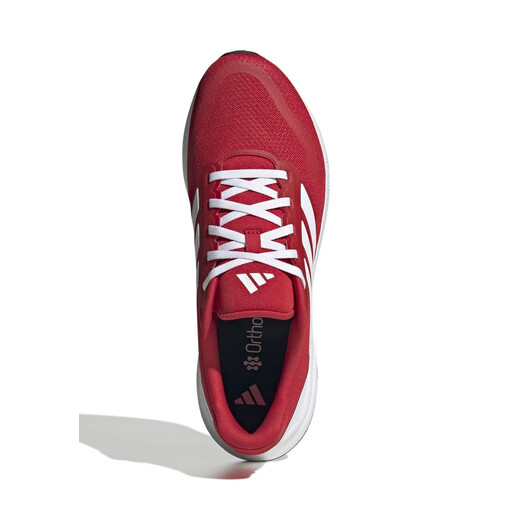
Why it suits this type of runner: According to the product description, this model is designed for everyday running and short distances of 0 to 10 km. That makes it a practical option if you’re gradually building a running routine.
The intended use and distance are clearly specified. That means you’re less likely to buy a trail shoe for road running only, or a shoe advertised for longer distances without further details.
Mesh upper, Cloudfoam midsole, OrthoLite insole and Adiwear outsole, according to the product details.
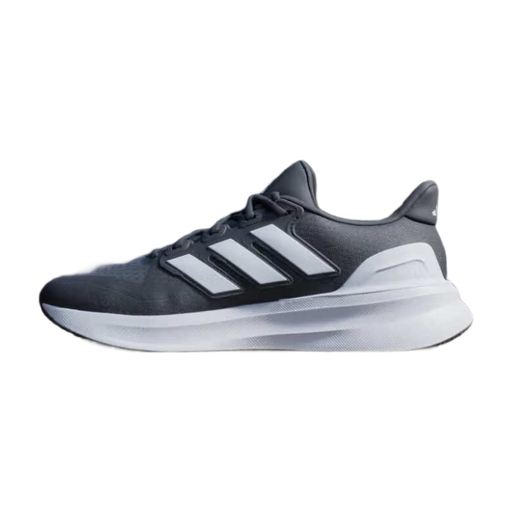
Why it suits this type of runner: According to the product description, this model combines a Bounce 2.0 midsole with a mesh upper and an Adiwear rubber outsole. It’s a good fit for runners weighing up comfort and durability for regular training.
The product information covers more than just cushioning: it also describes the upper, outsole and fit. This makes it easier to compare several features side by side.
Lightweight Bounce 2.0 cushioning, mesh for airflow and Adiwear rubber, according to the manufacturer’s description.

Why it suits this type of runner: According to the product description, this model is designed for switching between city roads and off-road terrain. It suits anyone looking for one pair for road and trail, provided the size and terrain match how you’ll use them.
The product description mentions both the sandwich mesh and ROCKYTEC outsole, as well as different fit options. Check whether your version has a standard or slim fit.
Sandwich mesh and woven fabric, EVA midsole, a choice of standard or narrow fit, and a ROCKYTEC rubber outsole, according to the product details.
We’ve put together a complete, up-to-date list of products that meet these strict selection criteria and current European safety regulations.
Try on running shoes with the socks you wear for training. Your toes shouldn’t touch the front when you’re standing or walking downhill. At the same time, your heel should stay firmly in place without any pressure points.
Clean your shoes according to the product instructions. Many models shouldn’t be put in the washing machine. A damp cloth, mild soap and air-drying will help avoid unnecessary strain on the mesh, bonded areas and rubber. If you run often, rotate between pairs and regularly check for worn-smooth tread, cracks or permanent deformation.
There’s no set mileage that applies to every pair. Terrain, body weight, running style, training frequency and care all affect wear. Replace your shoes when comfort, fit or grip has noticeably deteriorated.
For beginners, running shoes for everyday wear with a stable fit, breathable upper and suitable cushioning are often a practical choice. Pick a model designed for the terrain you actually run on. A road shoe makes more sense for tarmac, while trail running shoes are better suited to muddy or stony paths.
Lifespan varies from person to person and depends on the terrain. Focus less on a set mileage and more on visible wear, a compressed midsole, reduced grip or a change in fit. Shoes generally wear out faster with daily use than with occasional training.
They can be, but weight is only one factor. For long-distance running shoes, a good fit, lasting comfort and reliable grip are just as important. A lightweight shoe that pinches after a while is less practical than a slightly heavier model that stays stable.
