
Vandaag of morgen in huis

Kwaliteit gegarandeerd

Welkomstaanbiedingen ontgrendelen: GRATIS bezorging | Tot 80% korting | Gratis 30 dagen JoyPlus-proefperiode
Download de app
A new pair of trainers or running shoes may seem easy to find. Yet many disappointing purchases are caused by an unsuitable fit, a sole that does not match the intended use or material that does not allow enough airflow. If you focus only on colour, brand or a familiar name, you could end up with painful pressure points, poor grip or shoes that wear out quickly after just a few weeks.
This buying guide helps men, women and parents compare more effectively. Whether you are looking for men's trainers, women's trainers, children's trainers, everyday shoes or sports shoes, consider how they will be used first and the marketing second.
Terms such as Memory Foam, Cloudfoam and SOFTFOAM+ describe a material or construction, but they do not tell you whether the shoe suits your foot. A narrow foot may move around in a broad last, while a wide forefoot may not have enough room.
So pay attention to:
A sole with cushioning foam is primarily a product specification. How soft it feels varies from person to person and depends on your running style and the surface.
Lightweight running shoes are designed with movement and ventilation in mind. A road-running model may feel comfortable on tarmac but be less suitable for muddy paths. Trail running shoes often have a lugged sole with more grip, but may feel less smooth on slippery indoor floors.
Conversely, comfortable trainers for school, work or walking do not necessarily offer the features you need for regular running training. Always check the intended use: short distances, everyday walking, fitness, outdoor play or off-road terrain.
A mesh upper can allow air to pass through, but the level of ventilation also depends on the lining, socks and fit. A fully synthetic shoe may feel different from a model made with textile or woven mesh.
So check the material composition. Textile, mesh and woven uppers can help with ventilation, while synthetic leather may provide more structure and protection. None of these features alone guarantees dry or comfortable feet.
Ideally, measure your feet at the end of the day, when they are often slightly larger. Compare the length of your foot with the size chart for the specific model. An EU size is not identical across every brand; adidas, for example, also uses half sizes such as 41 1/3 and 44 2/3.
Also consider the space around the toes. For running, a little extra room can be useful, particularly if you wear thicker socks. For children, the correct size is more important than deliberately choosing a large allowance for growth. When choosing children's trainers, also check whether the fastening is easy to adjust.
The sole usually consists of several parts:
A rubber sole may be suitable for everyday use and provide grip on many paved surfaces. For woodland paths, wet stones or loose ground, a deeper tread is more relevant. Do not look only at the name of the technology; consider the material, tread and described intended use.
Before buying, check whether the shoes are machine washable. According to the product information, the Skechers BOBS Sport Squad Chaos 118300-BBK can be washed on a cold, gentle cycle and should be left to air dry. According to the supplied instructions, the adidas Runfalcon 5 must not be machine washed; wiping it with a damp cloth is the recommended method.
Do not use a tumble dryer, bleach or harsh cleaner when the care label advises against it. Heat can damage glue, foam and structural panels.
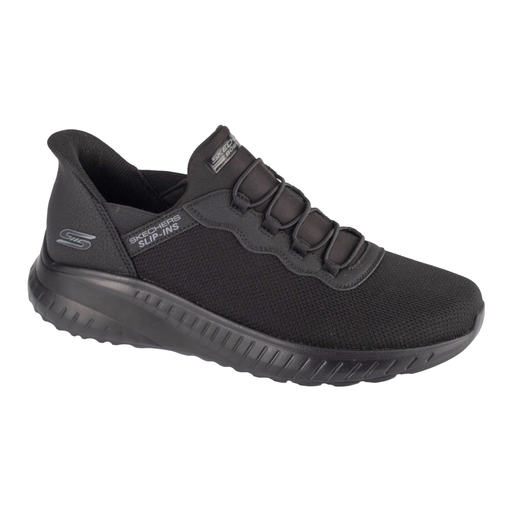
Why it suits this profile: A versatile black trainer for everyday use, walking and light exercise sessions. The regular fit and lace fastening make it easy to adjust.
The product information specifies a regular fit, textile upper, rubber sole and care instructions. This allows you to assess your choice based on concrete details rather than appearance alone.
Textile upper, rubber sole, lace fastening and machine washing on a cold cycle according to the product description.
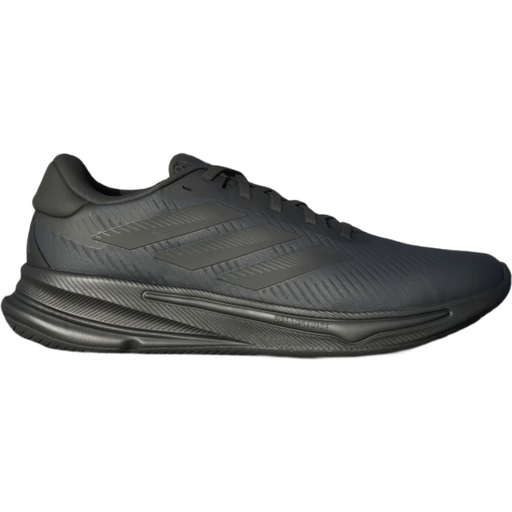
Why it suits this profile: Designed for runners looking for a running shoe for short to medium distances on the road who value mesh, a rubber outsole and an adjustable fit.
The model is described for road running and distances of 0 to 10 km. This makes the intended use clearer than that of a general sports shoe without guidance on the running surface.
Cloudfoam midsole, mesh upper, Ortholite insole and Adiwear outsole according to the product details. Not suitable for machine washing.
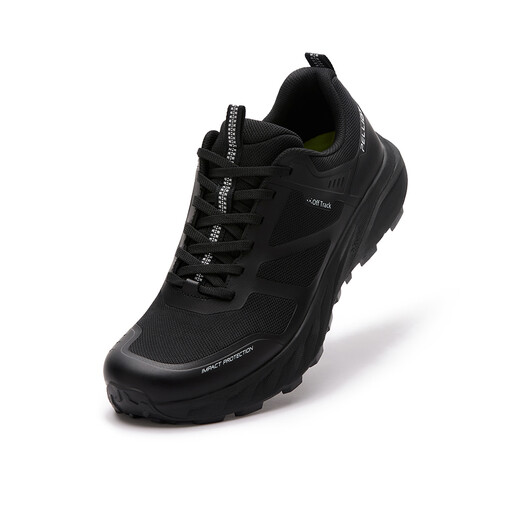
Why it suits this profile: An option for those switching between tarmac, off-road paths and varied terrain. The model has a sandwich-mesh and woven upper and is described as suitable for road-to-trail use.
The ROCKYTEC rubber sole and the stated suitability for mud, sand and wet rocks provide more context than simply calling it a “trail” shoe. However, check that the last suits your foot.
EVA midsole, mesh and woven textile, a choice of standard and narrow fits, and a rubber outsole with an off-road tread according to the product information.
We have put together a complete, up-to-date list of products that fully meet these strict selection criteria and the applicable European safety regulations.
Their lifespan depends on use, body weight, the surface, care and the extent to which the sole wears down. Regularly check the tread, tears in the upper and deformation of the midsole. With everyday shoes, wear may develop gradually; with running shoes, you will often notice sooner that the cushioning and stability feel different.
This is possible with models described as suitable for road use and easy everyday running. Bear in mind that they may wear out more quickly if you also use them for walking, work and sport. Trail running shoes make most sense when you regularly run on off-road or wet surfaces.
First compare the construction and intended use. Memory Foam is generally a term used for an insole or footbed, while Cloudfoam is listed by adidas as a midsole material. Also consider the fit, sole material, weight and care requirements. A branded foam name is no substitute for checking the size and running surface.
