
Vandaag of morgen in huis

Kwaliteit gegarandeerd

Welkomstaanbiedingen ontgrendelen: GRATIS bezorging | Tot 80% korting | Gratis 30 dagen JoyPlus-proefperiode
Download de app
A pair of running shoes may look lightweight, breathable and well cushioned in photos, but that does not necessarily mean the model is suitable for your running route. In the Netherlands, tarmac, cycle paths, cobblestones, woodland trails and wet mud can follow one another quickly. If you focus only on colour, price or a striking marketing claim, you could end up making the wrong purchase.
Lightweight running shoes feel comfortable during short training sessions, but a slim construction does not automatically provide enough cushioning or stability for long distances. Always check the midsole, the width of the platform and the sole construction. A lightweight model with an EVA midsole may be suitable for everyday use, but the fit remains the deciding factor.
A mesh upper generally moves heat and moisture away more easily than dense synthetic material. At the same time, an open structure lets rain, splashes and mud through more readily. Breathable running shoes are therefore particularly practical in warm weather and during dry training sessions. On wet Dutch paths, you should also consider the grip and the finish of the outsole.
A rubber outsole is not automatically suitable for wet stones or loose sandy ground. Look at the tread pattern, the rubber compound used and the type of surface the model is designed for. A smoother road tread works efficiently on tarmac, while trail running shoes generally need a more pronounced tread. According to the manufacturer's product information, some PELLIOT models are designed for road-to-trail use; always check the specific variant, however.
Measure both feet at the end of the day, preferably while wearing the socks you use for running. Compare your foot length in millimetres with the size chart, rather than looking only at your usual shoe size. Examples from the range vary from EU 35 to EU 45, depending on the model.
Pay attention to these points:
Cushioned running shoes often use EVA or similar foam materials in the midsole. More cushioning does not feel better for every runner and can make the shoe feel less responsive. Look for a balance between shock absorption, stability and flexibility.
A wider base can provide a more secure feel. According to the product information, some LI-NING models use a widened platform and a TPU or fibreglass plate. These constructions are intended to guide the foot through the gait cycle. The performance percentages quoted come from brand or product information and are not a guarantee that every user will have the same experience.
For tarmac, an even tread pattern and a relatively smooth roll-through are often practical. For woodland paths, gravel and wet ground, grippy running shoes with a deeper tread make more sense. An all-terrain sole can be versatile, but may feel less smooth on flat tarmac than a road model.
Also check the material:
The selection below is based on verifiable details from the supplied product information, such as material, sole construction, fit and intended use.
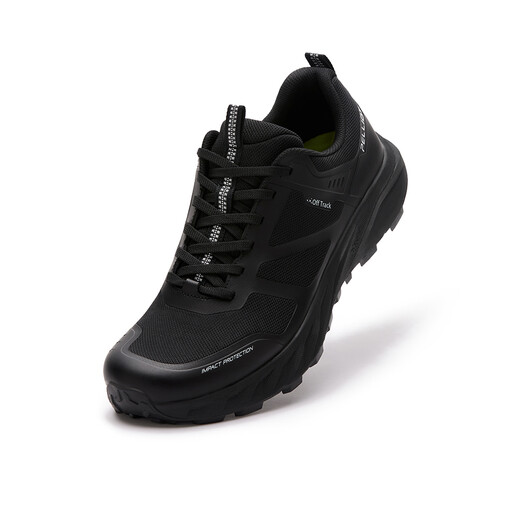
Why it suits this profile: A unisex model for runners looking for one pair for urban roads, recreational training and light trail routes.
The sandwich mesh and woven upper make the material choice clear. According to the product information, the ROCKYTEC outsole is designed to provide grip on surfaces including mud and loose sandy ground.
EVA midsole, breathable upper and a choice of standard or slim fit according to the product description.
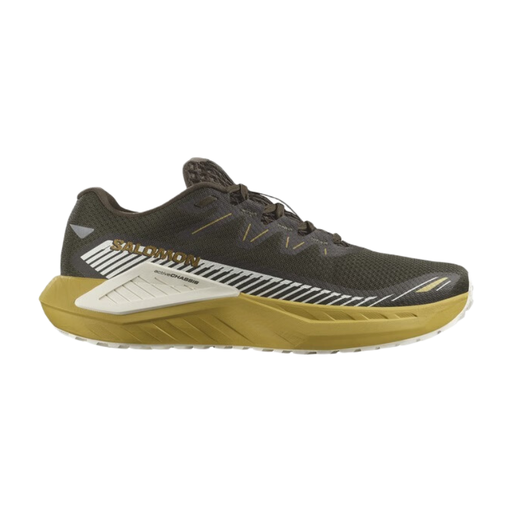
Why it suits this profile: Designed for runners seeking stability and comfort on gravel, mixed terrain and during outdoor activities.
The product description explicitly mentions Active Chassis for support on uneven gravel and All Terrain Contagrip for wet and dry surfaces.
EVA-based Energy Foam midsole, mesh upper and an outsole for mixed terrain.
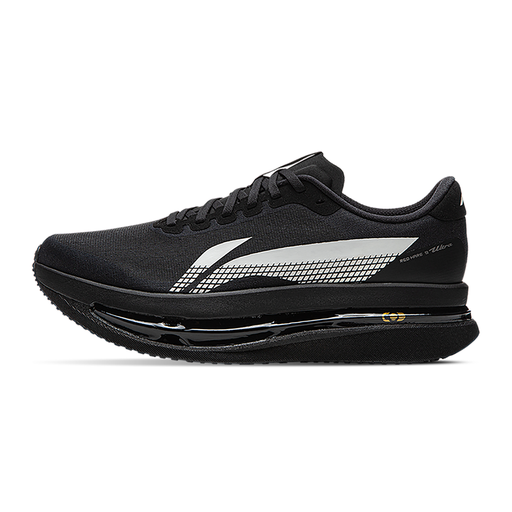
Why it suits this profile: For runners looking for a race-focused model for intensive training and long distances on the road.
The product information lists a three-layer midsole, a fibreglass plate and GCU rubber. This makes the construction and intended use more specific than simply claiming greater speed.
BOOM FIBER mesh, three-layer Super BOOM/BOOM midsole and GCU outsole according to the product description.
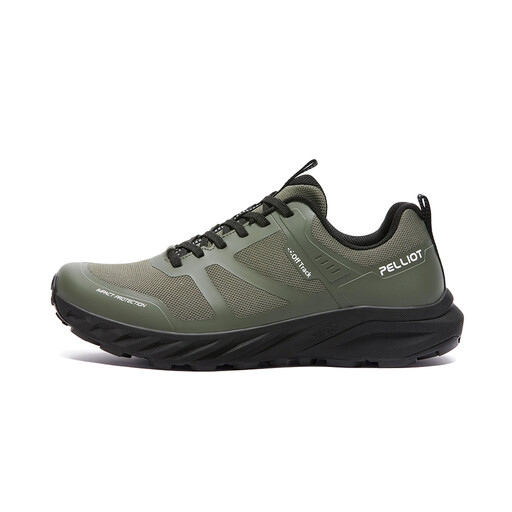
Why it suits this profile: A men's model for daily road training and runners who value comfort on longer routes.
The product description specifies both the breathable sandwich mesh and the EVA midsole, and provides a foot-length size chart from EU 39 to EU 45 inclusive.
Lightweight upper, EVA cushioning and a ROCKYTEC rubber outsole according to the product information.
We have put together a complete, up-to-date list of products that fully meet these strict selection criteria and the applicable European safety regulations.
Their lifespan depends on your body weight, running frequency, surface, running style and maintenance. Look out for flattened tread blocks, cracks in the upper, a collapsed midsole or a noticeable change in comfort. There is no fixed mileage limit that applies to every model. Rotate your shoes if you run several times a week, and allow wet shoes to dry at room temperature.
Not necessarily. Cushioning is a personal preference and needs to suit your pace, running surface and fit. A softer shoe may feel comfortable over long distances, while a firmer model provides more direct contact with the road. Try on both shoes with the socks you use, and take a short run in them before using them for a long training session.
Choose a road-to-trail or all-terrain model if your route regularly switches between tarmac, gravel and woodland trails. Check the sole for tread and grip. For technical trails with plenty of mud, roots or wet stones, dedicated trail running shoes are often a more sensible choice than a smoother road model. Use the product description as your starting point and match your choice to the routes you run.
