
Vandaag of morgen in huis

Kwaliteit gegarandeerd

Welkomstaanbiedingen ontgrendelen: GRATIS bezorging | Tot 80% korting | Gratis 30 dagen JoyPlus-proefperiode
Download de app
A pair of running shoes might look convincing in photos, but that tells you little about how well the model suits your feet, route and running frequency. If you focus only on colour, brand or discount, you’re more likely to end up with the wrong pair.
1. Confusing cushioning with suitability
More cushioning doesn’t automatically mean more comfort. A soft midsole can feel pleasant over short distances, but your shoes also need to be stable enough for your running style. So look at the midsole material and construction, not just words such as “soft” or “responsive”.
2. Choosing a breathable upper without considering the terrain
Mesh is useful for ventilation in everyday running shoes. But on wet woodland paths or loose terrain, grip is just as important. Lightweight, breathable road running shoes often have a different tread pattern from trail running shoes.
3. Ordering your size by guesswork
Sizing can vary between brands and models. A size 42 running shoe may fit differently from another model in the same size. If possible, measure your feet at the end of the day, wear the socks you’ll run in and check the specific size guide. There should be room around your toes, while your heel should stay securely in place.
The midsole largely determines how a shoe feels. Many models use foam construction, such as EVA, Cloudfoam, Dreamstrike or Bounce. These are brand-specific names, so focus on comparing:
For new runners, comfortable running shoes with moderate cushioning can be a practical choice. If you mainly run short distances, you may not need a heavy model. Lightweight running shoes can feel easier to move in, but check that the sole provides enough support for the way you’ll use them.
A mesh upper generally lets more air through than a fully enclosed synthetic upper. That makes breathable running shoes a good option for training, commuting and warmer weather. Also check:
A shoe with plenty of ventilation isn’t automatically suitable for rainy trails. For everyday use on tarmac or paved paths, mesh can be a sensible choice.
Check the rubber and tread pattern on the outsole. A relatively flat tread is often sufficient for city streets and treadmills. For woodland, mud and rocks, you’ll need deeper lugs and a more durable rubber compound.
Bear in mind that brands’ claims about grip or durability come from the product information. According to PELLIOT’s product description, the ROCKYTEC outsole is designed for surfaces including wet rocks, mud and loose sand. This is a product specification, not a guarantee that the shoe will provide the same grip on every surface.
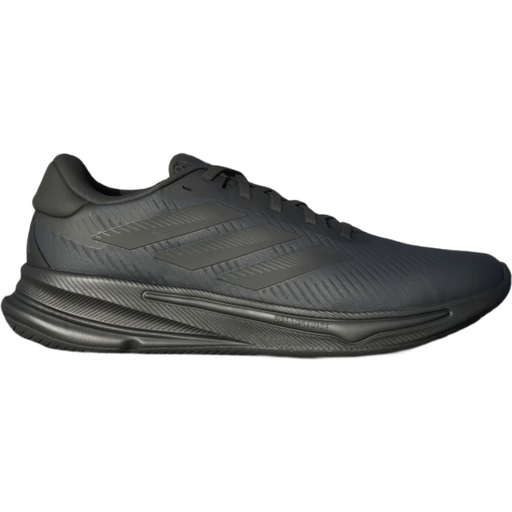
Why it suits this profile: According to the product description, this model is designed for everyday use and short to medium distances. The breathable mesh and regular fit make it a good match for anyone looking to build a consistent running routine.
The product information specifically lists a Dreamstrike midsole, mesh upper and rubber outsole with lugs. This means you can assess your choice based on the specifications, rather than the brand name alone.
Breathable mesh, a full-length Dreamstrike midsole and an adjustable lace fastening. Listed size: EU 42, for a foot length of 26.5 cm.
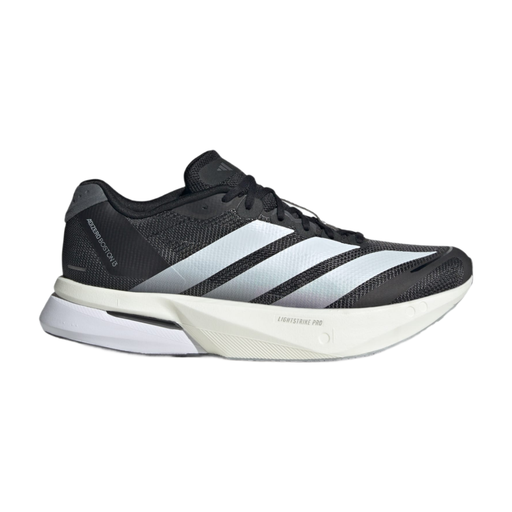
Why it suits this profile: According to the product description, this model is designed for training and racing. It’s a good option for runners looking for a lightweight design, a snug lace fastening and a responsive feel.
The description lists the mesh upper, Lightstrike Pro midsole material, Continental rubber and Energy Rods separately. This makes it easier to check whether the construction suits the way you’ll use the shoes.
Technical mesh, Lightstrike Pro foam and Continental rubber. Available in EU 42; the product information lists Vietnam as the country of origin.
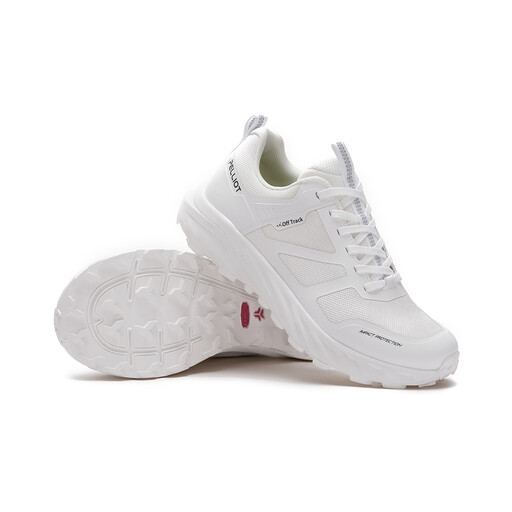
Why it suits this profile: According to the product description, this unisex model is designed for routes that move from tarmac to trails. The combination of mesh, EVA foam and a deeper rubber tread suits changing terrain.
The product information specifically mentions a sandwich mesh upper and ROCKYTEC rubber for grip on wet or loose surfaces. Do check whether the standard or narrow fit is right for your feet.
Lightweight mesh and woven textile, resilient EVA foam and a treaded outsole for varied terrain. This version is EU 39.
We’ve put together a complete, up-to-date list of products that meet these strict selection criteria and the applicable European safety regulations.
adidas running shoes are available in different ranges for everyday use, short distances and more intensive training. According to the product information, the Supernova Ease is designed for everyday runs. The Ultrarun 5 combines mesh with Bounce 2.0 and an Adiwear rubber outsole. The Galaxy 7 M features Cloudfoam and a textile upper.
The same selection principles apply to women’s and men’s running shoes: start by considering foot length, width, intended use and terrain. The label “women’s” or “men’s” isn’t enough to determine the fit. Always check the specific sizing information for the model.
Clean your running shoes with a damp cloth after use and leave them to dry naturally. Many models in the range shouldn’t be machine-washed. Direct heat can damage the materials and adhesive bonds.
Lifespan depends on how often you run, your body weight, the terrain, your running style and how well you care for your shoes. Look out for visible wear on the tread, a midsole that has become unevenly compressed or an upper that no longer fits securely. There’s no exact mileage limit that applies to every model. If you run a lot of miles, consider alternating between two pairs so the materials have time to dry and recover.
The heel and midfoot should feel secure without being tight. There should be a little room around your toes. Try shoes on with the socks you wear for running and check the fit on both feet.
Don’t replace them based on the calendar alone. Check the sole, cushioning, seams and fit. If the shoe shows uneven wear or feels less stable, it’s worth comparing it with a new pair.
You can with models that are described as suitable for this, such as some adidas running shoes with a comfortable midsole and durable outsole. Bear in mind that combining everyday walking with running will cause them to wear out faster. For trail use, you’ll also need enough tread.
