
Vandaag of morgen in huis

Kwaliteit gegarandeerd

Welkomstaanbiedingen ontgrendelen: GRATIS bezorging | Tot 80% korting | Gratis 30 dagen JoyPlus-proefperiode
Download de app
A pair of running shoes may look convincing in a product photo, but that does not automatically mean it is right for your feet or intended use. When buying online, shoppers often focus mainly on the brand, colour and discount. That is precisely where unsuitable purchases happen: a shoe may come up too narrow, offer insufficient grip or be designed for a different type of training.
This guide helps you compare adidas running shoes, PUMA running shoes and versatile sports shoes based on verifiable features.
Lightweight running shoes feel comfortable when trying them on and walking. However, low weight alone says little about stability, cushioning or durability. A model for everyday use may be constructed differently from a shoe for intensive training or longer distances.
So always check the description of the midsole, outsole and recommended use. A casual trainer is not automatically suitable for running.
Terms such as “maximum energy return”, “superior comfort” or “performance at every level” are not always directly comparable. It is better to look at the specific details: upper material, type of foam, rubber on the sole and fit.
When a brand describes a particular performance benefit, you should regard it as a claim from the product information. For example, adidas states that Lightstrike Pro and ENERGYRODS contribute to a responsive running feel in the Adizero Boston 13. This is adidas’ description and not a universal guarantee for every user.
The same EU size may fit differently depending on the brand or model. The shape of the toe box, the width and the room around the heel also affect comfort. Some product pages provide a foot length in millimetres or centimetres; use this information rather than relying solely on your usual size.
When running, a small amount of room for your toes is often practical, but your heel should not lift out of the shoe while you run. Ideally, try shoes on with the socks you wear for sport.
The midsole largely determines how a shoe feels. Look for a clear description of the material used and the intended purpose.
A well-cushioned shoe is not necessarily suitable for every running style. Also consider firmness, fit and how stable your foot feels.
A mesh upper can allow air to circulate while keeping the weight down. This makes breathable running shoes appealing for indoor training, warm days and longer walks. However, check whether there are synthetic reinforcements around the midfoot and heel. These can support the fit but make the material less flexible.
According to the product details, the adidas Supernova Stride 2 has a textile and synthetic mesh upper. The adidas Adizero Boston 13 uses a mesh upper with synthetic reinforcements.
Grip and material choice are relevant for conditions in the Netherlands. Asphalt, cycle paths and wet paving slabs call for an outsole with rubber contact areas. A tread designed mainly for the track or a dry gym floor may be less versatile.
Look for terms such as rubber outsole, Adiwear, PROTREAD or Continental Rubber. These are product features, not a promise that the outsole will perform identically on every surface. Also check the care instructions: many models cannot be machine-washed and should be air-dried.
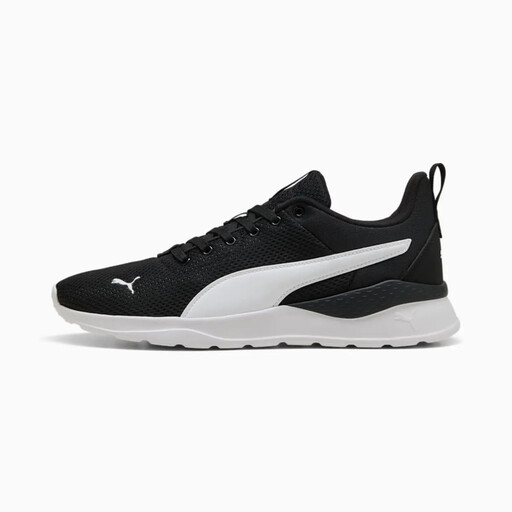
Why it suits this profile: This model is designed for everyday comfort, gym use, running errands and casual wear. That makes it a practical choice for anyone looking for one pair of trainers for several light activities.
The product information lists a mesh upper, EVA midsole and rubber outsole. This lets you assess the model based on specific features rather than appearance alone.
Lightweight construction, breathable Anzarun DNA mesh and SoftFoam+ sockliner according to the product description.
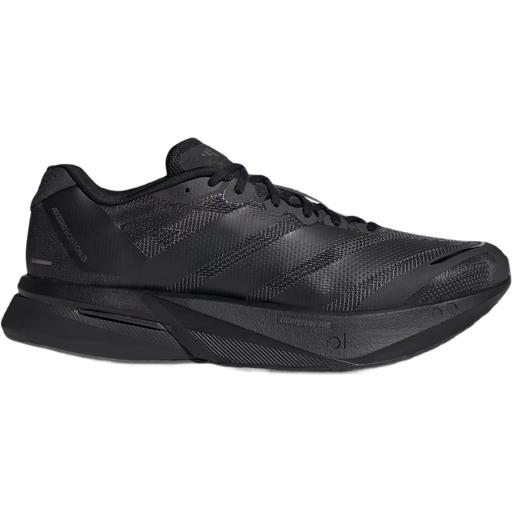
Why it suits this profile: For runners specifically looking for a lightweight shoe for intensive training and race preparation. However, the fit and intended use mean that checking the size carefully is essential.
The product page specifies its use for intensive training, a breathable textile upper and a sole with Continental Rubber. This makes the choice easier to assess.
Lightstrike Pro midsole, ENERGYRODS and Lighttraxion outsole according to adidas; EU size 44 is listed for this product.
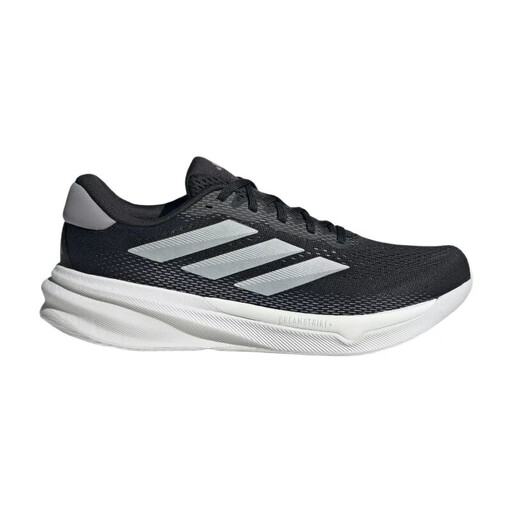
Why it suits this profile: According to the product description, these men's running shoes are designed for training. They are suitable for runners who want to combine comfort, airflow and grip for regular runs.
The product information specifies the Dreamstrike+ and EVA midsole, mesh upper and Adiwear rubber outsole. This means cushioning, breathability and grip can be assessed separately.
Textile and synthetic mesh, Adiwear rubber and at least 20% recycled and renewable materials according to the product details.
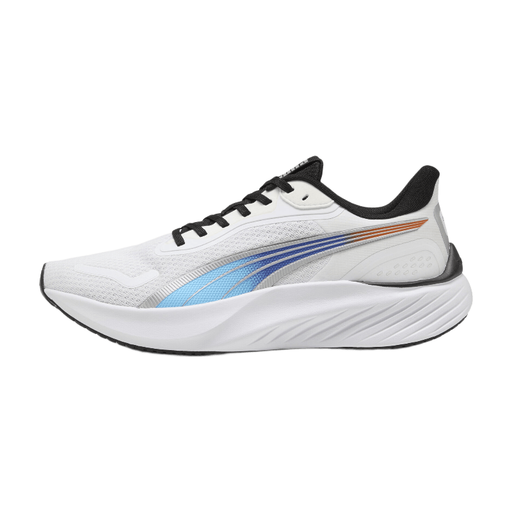
Why it suits this profile: A versatile option for training, walking and everyday use. The description mentions a lightweight construction and a design intended for sport and casual wear.
The product details specify the intended use, the PROTREAD outsole and the composition of the upper. However, check the insole length before ordering size 40.
Lightweight foam, rubber outsole and at least 30% recycled materials in the upper according to the product information.
We have compiled a complete, up-to-date list of products that fully meet these strict selection criteria and the applicable European safety regulations.
Check the following before buying:
Do not use running shoes for longer than the outsole and upper can withstand. There is no fixed lifespan for every model: running distance, body weight, surface, storage and running style all play a part. Replace your shoes when the outsole shows visible uneven wear, the material has become permanently misshapen or the way they feel while running has clearly changed.
The adidas and PUMA products mentioned state that they include a statutory minimum two-year guarantee under EU consumer law. This is separate from normal wear and tear caused by use.
They can be, provided the fit is comfortable and the outsole offers sufficient grip. According to their product descriptions, models such as the PUMA Anzarun Lite and PUMA Skyrocket Lite are designed for everyday comfort, walking or light sporting activities. For intensive running training, a model with a clearly defined training purpose is usually the more logical choice.
That depends on how they are used. Regular running on asphalt puts different demands on the outsole than walking or gym workouts. Pay particular attention to wear on the outsole, tears in the upper and loss of shape. A calendar date alone says little about how much useful life remains.
No. Comfort depends on fit, width, cushioning, weight and how you use the shoes. A technical model for speed training may feel less comfortable during a leisurely walk. So compare the specifications with your own activity rather than looking only at the price or brand.
