
Vandaag of morgen in huis

Kwaliteit gegarandeerd

Welkomstaanbiedingen ontgrendelen: GRATIS bezorging | Tot 80% korting | Gratis 30 dagen JoyPlus-proefperiode
Download de app
Buying a new pair of running shoes can feel like navigating a maze of technical jargon and marketing promises. It's easy to get lost and make a purchase you'll later regret. As a Product Recommendation Officer at Joybuy, I see where things go wrong every day. Let's break down the most common pitfalls so you can make an informed decision.
The three biggest mistakes when buying running shoes:
To avoid buyer's remorse, it's crucial to look past the marketing and focus on the specifications that truly matter. These are the three most important factors.
Cushioning is the shock absorption in the shoe's midsole. It's critical, but not all cushioning is created equal. You're looking for running shoes with good cushioning, but what does that mean for you?
Not every foot lands and rolls off in the same way. Some feet roll inward excessively (overpronation) during a run. Stability running shoes are designed to correct this and guide the foot straight.
Look for shoes with features like an Active Chassis. This is a technology that, according to manufacturer Salomon, guides the foot and provides support without restricting freedom of movement. This is especially useful on uneven terrain or when fatigue sets in during a long run.
The outsole of your shoe is your point of contact with the world. The wrong outsole can lead to slips or unnecessary wear and tear.
To help you find the right match, we've paired several models with specific runner profiles.
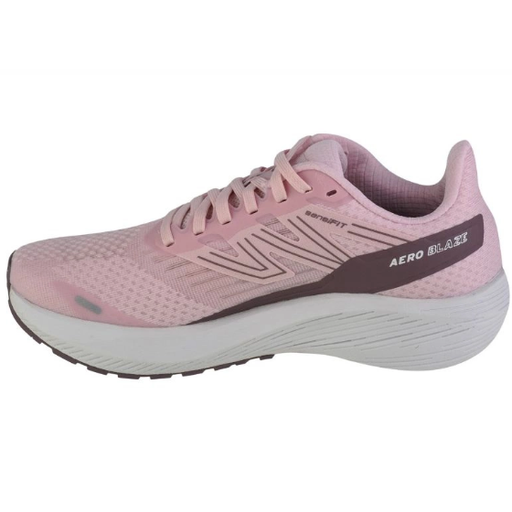
Why This Fits Their Persona: This shoe is ideal for those just starting out with road running. It offers an excellent balance of comfort and support for daily training, without being overwhelming with unnecessary technology.
Instead of opting for a generic sneaker, this model provides specific running technology. The Energy Foam midsole delivers functional, responsive cushioning to help you through your first miles.
Responsive cushioning for an energetic running experience. Reliable grip on paved surfaces thanks to the Contagrip technology.
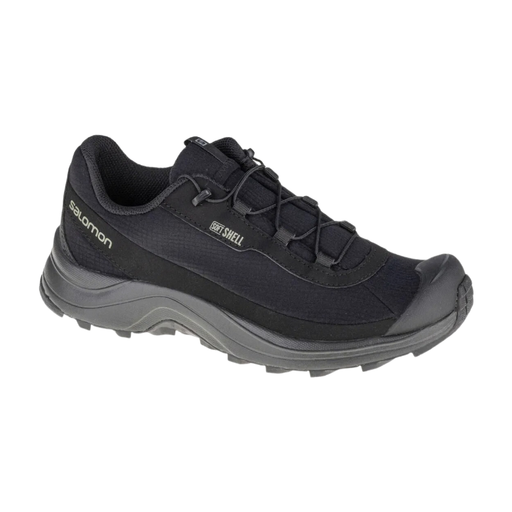
Why This Fits Their Persona: For the runner who leaves the beaten path. This shoe is built for technical and mixed trails, with a focus on grip, protection, and durable comfort over long, challenging distances.
This isn't an all-around shoe, but a specialist. The All Terrain Contagrip outsole is specifically designed for grip on unpaved terrain, helping you avoid the "one-size-fits-all" pitfall.
Excellent grip on varied terrain. The reinforced toe cap offers protection against rocks and roots.
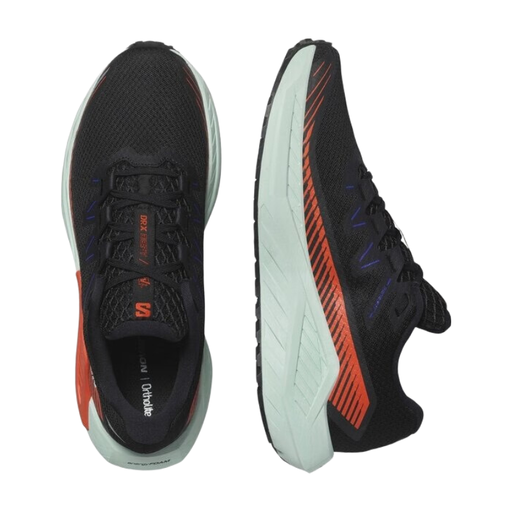
Why This Fits Their Persona: Specifically for the female runner who covers long distances on varied surfaces (like gravel or forest paths) and needs extra support to combat fatigue and an unstable stride.
This shoe goes beyond the vague claim of "good cushioning." It features an Active Chassis for active support, a concrete technology that helps maintain a stable running form.
Advanced stability for extra control. The SensiFit technology ensures a snug fit, tailored to the anatomy of the female foot.
We have compiled a complete, up-to-date list of products that fully meet these strict selection criteria and local regulations.
A general guideline is that running shoes last between 500 and 800 kilometres. This depends heavily on your running style, weight, and the surfaces you run on. A clearer sign is when the cushioning feels "dead," the outsole is visibly worn, or if you start to feel minor aches and pains you didn't have before.
You can, but it's not ideal. The deep tread of trail running shoes wears down much faster on asphalt and can feel uncomfortable. The reverse is even less advisable: road running shoes offer insufficient grip and protection on unpaved trails, which increases the risk of slips and injuries.
The fit is essential. Many brands, including Salomon running shoes, offer specific models for women's running shoes. These are not only narrower but also account for other differences in foot shape, such as a different heel-to-forefoot ratio. A proper fit prevents your foot from sliding inside the shoe, reduces blisters, and provides better support.
