
Vandaag of morgen in huis

Kwaliteit gegarandeerd

Welkomstaanbiedingen ontgrendelen: GRATIS bezorging | Tot 80% korting | Gratis 30 dagen JoyPlus-proefperiode
Download de app
Finding the right running shoes can feel like a marathon in itself. The market is flooded with models that promise the world but often disappoint in practice. As a Product Recommendation Officer at Joybuy, I see the challenges runners face every day. Many choices are driven by marketing hype instead of what truly matters. Let's cut through the noise and see how you can avoid a bad purchase.
Before you pull out your wallet, it's crucial to recognise the most common marketing traps. These often lead to discomfort, injuries, or simply wasted money.
To make an informed choice, focus on the specifications that truly matter. These are the objective features that determine how a shoe performs.
Cushioning is provided by the material in the midsole, often a type of foam like EVA (ethylene vinyl acetate). The stack height is the total thickness of the sole under your foot.
Look at the combination of material and thickness. A responsive foam in a medium stack height is a safe and effective choice for many runners.
The outsole determines grip and durability. The choice depends entirely on where you run.
The upper encloses your foot. A poor fit here will inevitably lead to blisters and discomfort. Pay attention to:
Below are some models that score well based on their specifications, matched to a specific runner profile.
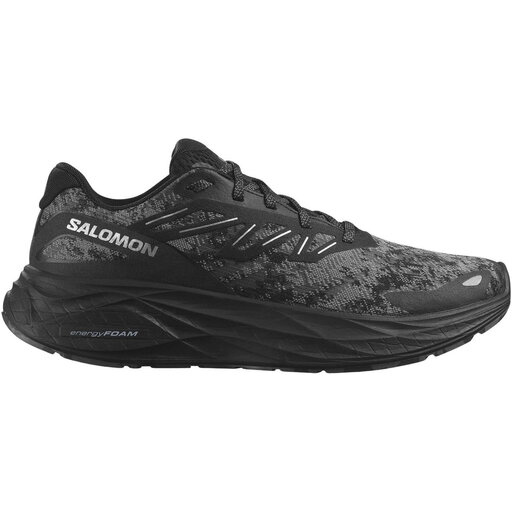
Why it's a match: This shoe is specifically designed for men's running shoes who primarily run on hard surfaces like asphalt. Ideal for daily training runs through the city or park.
This model avoids the "all-terrain" trap by specialising in one thing: performing on the road. The cushioning is balanced for shock absorption on asphalt, without being excessively soft or unstable.
The thick rubber sole provides excellent grip and durable cushioning on paved roads. The breathable upper ensures comfort during longer sessions.
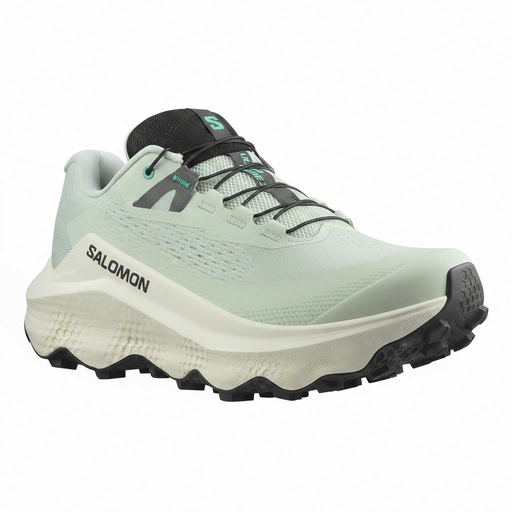
Why it's a match: An excellent choice for women's running shoes for those covering long distances on unpaved paths. This shoe provides the grip, comfort, and responsiveness needed for technical trails.
This is a pure trail running shoe. The All-Terrain Contagrip outsole is an objective specification designed for grip on varied terrain, not a vague marketing promise.
The combination of an Energy Foam midsole for cushioning and the Contagrip outsole for grip provides confidence and comfort on long, challenging trails.
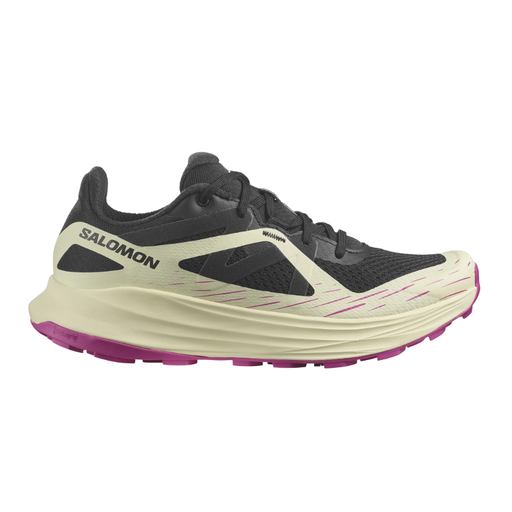
Why it's a match: For the runner who likes to switch between pavement and forest paths. These hybrid running shoes are designed for the transition from asphalt to light trails without sacrificing comfort.
The shoe is transparent about its purpose: mixed terrain. It doesn't pretend to be an extreme trail shoe but offers a functional solution for runners who encounter both surfaces in a single workout.
The mixed-terrain outsole provides reliable grip on both paved and unpaved paths, while the soft cushioning ensures a smooth running experience on both surfaces.
We have compiled a complete, up-to-date list of products that fully meet these strict selection criteria and local regulations.
Here are some practical questions we often get about running shoes.
A general guideline is that running shoes should be replaced after 500 to 800 kilometres (about 300 to 500 miles). However, this heavily depends on your running style, weight, and the surfaces you run on. Look for signs of wear, such as a compressed midsole that no longer springs back, a worn-out tread on the outsole, or if you suddenly start feeling minor aches and pains after running.
Not necessarily. While cushioning helps absorb impact, too much cushioning can lead to an unstable feel and a less efficient toe-off. For long-distance running shoes, a good balance between cushioning and responsiveness is key. The shoe should be comfortable but also provide support and a stable platform to combat fatigue.
You can, but it's not ideal. The soft rubber lugs of trail running shoes wear down very quickly on asphalt. Furthermore, the deep tread can feel uncomfortable and unstable on a flat, hard surface. It's not a problem for an occasional short stretch of asphalt, but if you regularly run on the road, a dedicated road shoe or a hybrid model is a better investment.
