
Vandaag of morgen in huis

Kwaliteit gegarandeerd

Welkomstaanbiedingen ontgrendelen: GRATIS bezorging | Tot 80% korting | Gratis 30 dagen JoyPlus-proefperiode
Download de app
A pair of running shoes may look lightweight, comfortable and technical in photos, but that does not tell you everything about how they will perform in the Netherlands. Tarmac, cycle paths, wet woodland trails and mud each demand something different from a shoe. If you focus only on colour, brand name or an attractive discount, you can quickly end up ordering the wrong pair.
The most common pitfalls:
For road use, a relatively even rubber outsole often feels comfortable. If you regularly run on unpaved paths, it is better to look for trail running shoes or all-terrain running shoes with a lugged outsole. Check the product description for details on rubber, durability and grip on wet or loose surfaces.
A shoe with a deep tread is not automatically comfortable on tarmac. Conversely, a flatter pattern may offer less traction on muddy slopes. Choose based on your regular route:
With cushioned running shoes, the midsole material is a useful point to check. EVA foam is widely used because it combines low weight, resilience and cushioning. However, the amount of foam does not tell you exactly how a shoe will feel. A soft sole can be comfortable for easy running, while a firmer model provides more direct contact with the ground.
According to the product description, the PELLIOT Running Shoes Unisex Lightweight Cushioning uses a highly elastic EVA midsole with rebound and shock absorption. This is a product specification, not a guarantee of a particular running experience or medical benefit. If you are unsure, try the shoes on at home or check the returns policy beforehand.
For long runs or warmer days, lightweight running shoes and breathable sports shoes with mesh are worth considering. Sandwich mesh or a woven upper can allow air to circulate, while an additional TPU film on certain versions may offer greater protection against wear. However, bear in mind that extra reinforcement can affect ventilation.
The fit should feel secure without creating pressure points:
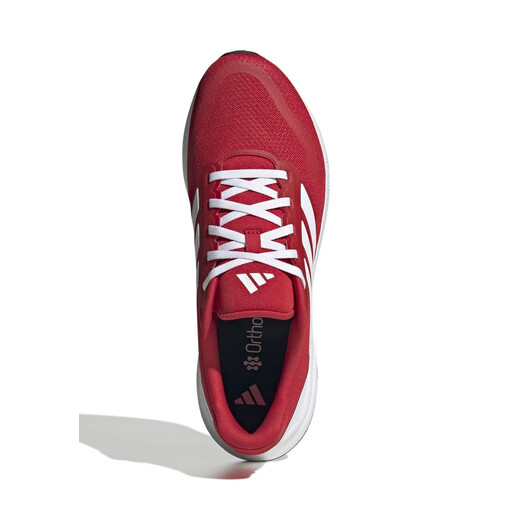
Why it suits this profile: According to the product information, this model is intended for road running and distances of 0–10 km. The mesh upper and Cloudfoam midsole make it suitable for recreational runners looking for one pair for short runs.
The description clearly states the intended use, mesh material and sole construction. Before ordering, however, check the size: the listing contains several different size details.
Mesh upper, Cloudfoam midsole, Ortholite insole and Adiwear outsole according to the product description.
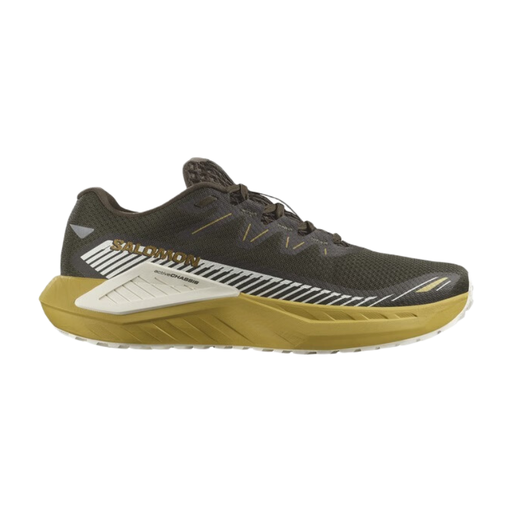
Why it suits this profile: For runners who often train on gravel, woodland paths and changing surfaces. The product description mentions Active Chassis, Energy Foam and an All Terrain Contagrip outsole.
This model is not focused solely on weight: the description specifies support, mesh and grip for mixed terrain.
Active Chassis, Energy Foam, breathable mesh and All Terrain Contagrip rubber according to the product information.

Why it suits this profile: This model is designed for the transition from urban roads to trails. The available standard and slim versions make it relevant for different foot shapes.
The choice is not based solely on a lightweight upper: the product information also lists EVA cushioning, a rubber ROCKYTEC outsole and hard-wearing material.
Sandwich mesh, highly elastic EVA midsole, standard and slim fits, and ROCKYTEC rubber according to the product description.
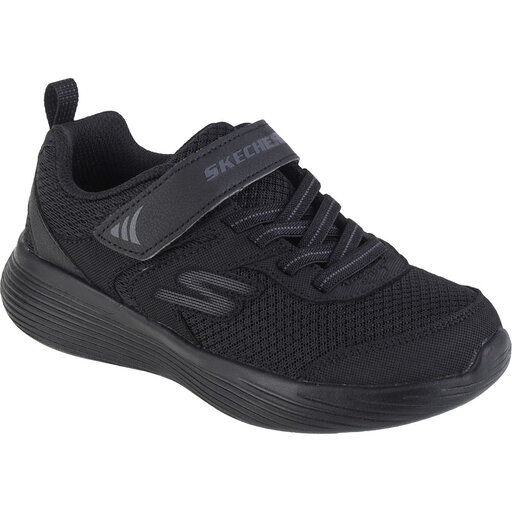
Why it suits this profile: According to the product information, these children’s trainers are intended for everyday use and have a regular fit, mesh upper and hook-and-loop fastening.
The product details specify the material, fastening, sole and width. This allows you to compare everyday practicality without judging the shoe as an adult running shoe.
Breathable mesh, rubber sole, regular fit and hook-and-loop fastening according to the product description.
For everyday use, you can also look at lifestyle trainers from Nike, Converse, Vans and Puma. Pay particular attention to the tread pattern, material and care requirements. A canvas upper may feel light and airy, while leather or suede requires different care. These models are primarily intended for everyday wear and are not automatically suitable for running training.
We have compiled a complete, up-to-date list of products that fully meet these strict selection criteria and the applicable European safety regulations.
Their lifespan depends on body weight, running frequency, surface, care and wear. Check the tread, heel and compression of the midsole regularly. Replace a pair when the sole shows visibly uneven wear or the fit no longer feels stable. There is no fixed mileage that applies to every model.
Often, yes, provided the fit is comfortable and the sole feels sufficiently stable. Grip remains important when walking on smooth or wet paths. A trail model may be suitable for woodland walks, but may feel less smooth on tarmac than a road model.
Start by looking at foot length, width, heel fastening and intended use, rather than just whether the shoe is labelled for men or women. Some models are unisex, while others have a specific last. Always compare the chosen product’s size chart and order only the size that corresponds to the measurement provided.
