
Vandaag of morgen in huis

Kwaliteit gegarandeerd

Welkomstaanbiedingen ontgrendelen: GRATIS bezorging | Tot 80% korting | Gratis 30 dagen JoyPlus-proefperiode
Download de app
Finding the right running shoes can feel like navigating a maze. Brands promise the world with complex technologies and flashy designs. But what do you really need for your run through the park, on forest trails, or on the road? As a Joybuy Product Recommendation Officer, I'm here to help you cut through the noise and make an informed decision. We'll focus on what truly matters, so you invest in comfort and performance, not marketing hype.
Before we look at specific models, let's first discuss the most common pitfalls that many runners fall into.
You don't need to be a materials scientist to find the right shoe. Focus on three concrete features that determine if a shoe is right for you.
The outsole of a shoe is designed for a specific environment. This is the most important distinction.
Cushioning is the degree to which the shoe absorbs shock. The amount you need depends on your weight, running style, and the surface. Stability refers to how much the shoe corrects unwanted sideways motion of the foot. Most runners benefit from a neutral shoe, which follows the foot's natural motion. Shoes with extra stability elements are intended for runners who overpronate (the foot rolls inward too much).
A good fit is essential. Pay attention to the following points:
Models for men's running shoes and women's running shoes often differ in fit. Women's shoes are typically narrower in the heel and wider in the forefoot, tailored to the anatomy of the female foot.
Based on these objective criteria, we have selected a number of models that suit specific runner profiles.
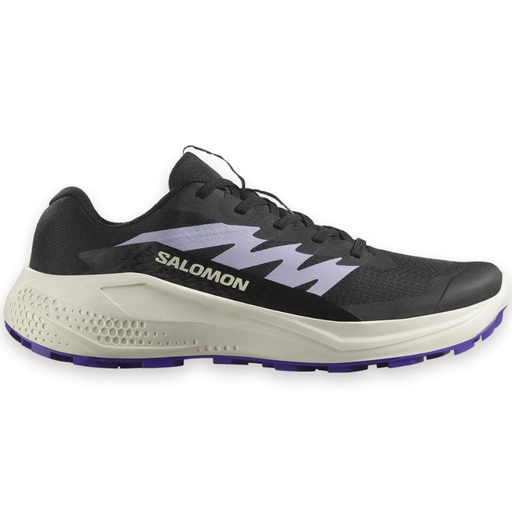
Why This Fits Their Persona: This shoe is ideal for runners who love to explore forest paths, dunes, and unpaved trails, but also cover stretches of asphalt. The balance between cushioning and grip makes it highly versatile.
This isn't a road shoe with a rugged look. The outsole is specifically designed for grip on varied surfaces and the anti-debris mesh upper is functional for trails, thus avoiding the "one-shoe-fits-all" myth.
Balanced midsole for comfort and stability; reliable grip that adapts to diverse trail surfaces.
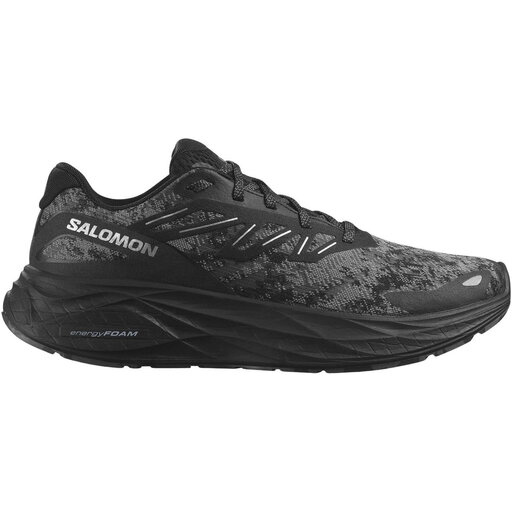
Why This Fits Their Persona: Designed for runners who log their miles on hard surfaces like asphalt and pavement. The focus is entirely on comfortable cushioning for daily training in an urban environment.
This shoe avoids the pitfall of superfluous technology. It does exactly what a road shoe should do: provide effective cushioning without unnecessary and expensive trail-specific features.
Thick rubber sole for excellent cushioning and grip on the road; breathable upper for comfort during longer runs.
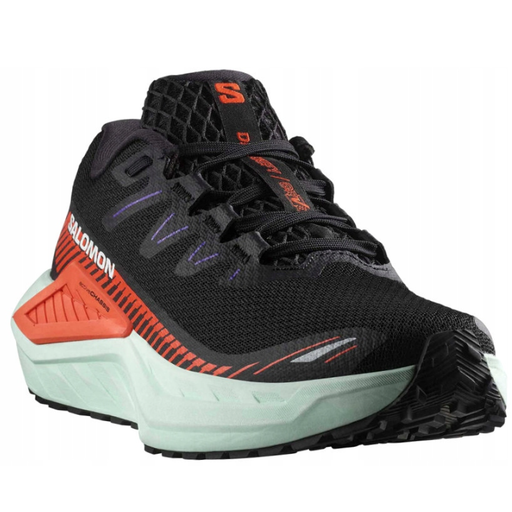
Why This Fits Their Persona: For the runner who leaves the beaten path for gravel roads and challenging unpaved routes. This shoe provides the extra stability needed on loose surfaces.
This is a specialist shoe that addresses the 'wrong cushioning' pitfall. Instead of maximum softness, it focuses on stability with Active Chassis technology, which is crucial for preventing ankle rolls on uneven terrain.
Active Chassis technology for advanced support; high-traction outsole specifically designed for grip on gravel.
We have compiled a complete, up-to-date list of products that fully meet these strict selection criteria and local regulations.
A general guideline is that running shoes last between 500 and 800 kilometres (approx. 300-500 miles). However, the lifespan heavily depends on the surface you run on, your weight, and your running style. Visual wear on the outsole and a feeling that the cushioning is "flat" are clear signs that it's time for a new pair.
Yes, you can, but it's not ideal. The aggressive tread of trail running shoes wears down significantly faster on asphalt. Additionally, they can feel stiffer and heavier than dedicated road running shoes. For a short stretch of pavement to get to the trail, it's not a problem, but for regular road runs, a specific road shoe is a better investment.
The main difference is in the fit (the "last"). Women's running shoes are generally narrower in the heel and wider in the forefoot. Additionally, the design sometimes accounts for the on-average lower weight and different pressure distribution of women. Choosing a shoe designed for your gender typically leads to a better and more comfortable fit.
