
Vandaag of morgen in huis

Kwaliteit gegarandeerd

Welkomstaanbiedingen ontgrendelen: GRATIS bezorging | Tot 80% korting | Gratis 30 dagen JoyPlus-proefperiode
Download de app
Buying a new pair of running shoes feels like a fresh start. But the market is flooded with marketing claims and tech jargon, making it easy to make the wrong choice. A shoe that doesn't suit you not only leads to discomfort but can also end up collecting dust in the closet. Before you invest, it's crucial to recognise a few common pitfalls.
Waterproof running shoes might seem like a logical choice in wet climates. But a membrane like Gore-Tex is less breathable. In the summer, this can lead to overheated, sweaty feet and blisters, whereas for wet, cold days, it can be a lifesaver.The right shoe is a functional tool. By focusing on the specifications that truly matter, you'll avoid a bad purchase.
Focus on the following three points to find a shoe that matches your running style and goals, rather than a brand's marketing.
The surface you run on determines the outsole you need. This is the most important factor.
trail running shoes are essential. These have an outsole with a deep and aggressive tread pattern (lugs) for grip on mud, rocks, and loose ground. Brands like Salomon often use specific rubber compounds, such as Contagrip, designed for traction on both wet and dry trails.Cushioning (shock absorption) and stability (support) are crucial for comfort and injury prevention.
A good fit is essential. Your feet swell while running, so ensure there's about a thumb's width of space between your longest toe and the front of the shoe.
men's running shoes and women's running shoes often used in the rain or mud, a waterproof running shoe with a Gore-Tex (GTX) membrane can be a good investment. This keeps your feet dry, but remember that it can come at the cost of breathability.Below are a few models that suit different types of runners, based on their objective specifications.
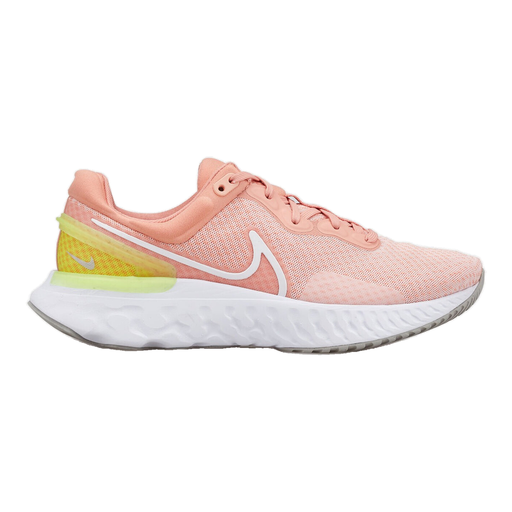
Why This Fits Their Persona: This shoe is designed for durable comfort on the road. It's ideal for runners looking to build up mileage without worrying about their footwear. The fit is stable, and the cushioning is forgiving.
This is a pure road shoe and doesn't pretend to be a do-it-all model. The cushioning is balanced and not overly soft, providing a stable foundation for novice runners.
The Nike React foam midsole offers a great combination of soft cushioning and energy return. The durable rubber outsole is built for many miles on asphalt.

Why This Fits Their Persona: Perfect for the trail runner who isn't deterred by rain or mud. This shoe offers stability, protection, and grip on technical terrain, from rolling hills to rocky paths.
This is a specialised trail running shoe. Here, the Gore-Tex membrane is a functional feature for wet conditions, not a superfluous marketing gimmick. The shoe isn't unnecessarily soft, focusing instead on stability.
The 3D Advanced Chassis provides excellent stability on uneven terrain. The Contagrip outsole offers reliable grip on wet and dry surfaces.
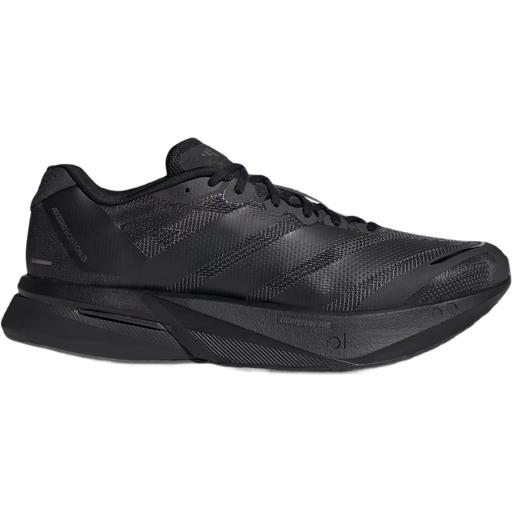
Why This Fits Their Persona: Designed for speed. This shoe is for the runner training for a fast 10K or a half marathon who needs a lightweight, responsive shoe for tempo runs and race days.
This shoe avoids the "maximal cushioning" trap. Instead, its cushioning is focused on energy return and a quick toe-off, not a soft, sluggish feel. It's a purpose-built shoe, not a jack-of-all-trades.
According to Adidas, the combination of Lightstrike Pro cushioning and glass-fibre infused ENERGYRODS provides a fast and efficient toe-off. The Continental rubber outsole offers grip.
We've curated a complete, up-to-date list of products that fully meet these strict selection criteria and local regulations.
As a general guideline, running shoes last between 300 and 500 miles (500 to 800 kilometres). However, the lifespan depends on factors like your weight, running style, and the surfaces you run on. Look for visible wear on the outsole and a "dead" or less responsive feel in the cushioning. Those are signs it's time for a new pair.
Often, yes. Your feet swell during a run due to increased blood flow. As a rule of thumb, it's recommended to leave about a thumb's width (1 to 1.5 cm) of space between your longest toe and the front of the shoe. It's best to try on shoes at the end of the day, when your feet are slightly larger.
It's not recommended. Hiking shoes are typically heavier, stiffer, and less flexible than running shoes. They are designed for stability while walking, not for the impact and gait cycle of a running motion. Running in hiking shoes can lead to an unnatural stride and increases the risk of injury.
