
Vandaag of morgen in huis

Kwaliteit gegarandeerd

Welkomstaanbiedingen ontgrendelen: GRATIS bezorging | Tot 80% korting | Gratis 30 dagen JoyPlus-proefperiode
Download de app
Buying running shoes seems simple, until you have to choose between cushioning, grip, stability, fit and materials. A shoe that feels comfortable on a short walk won’t necessarily be right for a long training session. Marketing terms such as “all terrain” or “maximum support” don’t tell you much if the specifications behind them aren’t clear.
Use this practical checklist to compare running shoes by the features that matter for running in the Netherlands: on roads, cycle paths, running tracks, woodland paths and unpaved trails.
A soft midsole feels comfortable straight away, but the right amount of cushioning depends on your running style, distance and terrain. For everyday road running, a responsive EVA or Bounce midsole can feel comfortable. On a technical trail, grip and stability are just as important.
So pay attention to the midsole material and construction, not just words such as “comfort” or “energy”. Manufacturers describe how their products work and feel; treat these claims as product information, not as a guarantee of a particular running result.
A model with a rubber outsole may work on several surfaces, but that doesn’t mean every shoe performs equally well on wet roots, mud or loose stones. Check the tread, the type of rubber and whether the shoe is specifically marketed as a trail model.
For running shoes suited to both roads and trails, a combination of grip, breathable materials and a lightweight construction is important. If you mainly run on roads, you probably won’t need an aggressive trail tread.
A shoe can be the right EU size and still feel too narrow at the forefoot. So check your foot length in millimetres, the width and the shape of the toe box. A running shoe with a wide toe box can feel more comfortable if your forefoot needs extra room.
Where possible, try shoes on with the socks you wear when running. For longer distances, allow for your feet to swell slightly, too. A shoe that’s too tight is more likely to cause pressure points than one with enough room to move.
Look for the type of foam and the construction in the product details. Common materials include EVA, Bounce and Dreamstrike. According to the product description, an EVA midsole can provide rebound and shock absorption. Adidas lists a lightweight Bounce 2.0 midsole for the Ultrarun 5, while the Supernova Ease is described as having a full-length Dreamstrike midsole.
Cushioning is particularly relevant for:
A very soft shoe won’t suit everyone. Also consider the weight, heel height and how firm the shoe feels.
Breathable mesh helps release heat and moisture, but it doesn’t automatically make a shoe waterproof. Breathable running shoes are often practical for summer training and indoor use. For wet woodland trails, an extra protective layer can be useful, although it may reduce ventilation.
Also check the finish around the heel and midfoot. Adjustable laces, a padded tongue and a firm heel counter all help provide a stable fit. Adidas lists a padded insole and adjustable lacing among the features of the Supernova Rise M ATR.
The outsole has a major influence on how the shoe performs on roads, gravel and mud. Look for:
For trail running shoes, grip on wet stones and loose ground matters more than a completely flat sole. According to the product description, PELLIOT models use a ROCKYTEC rubber outsole; some versions are listed with Vibram Megagrip. Always check which version applies to the product you’re considering.
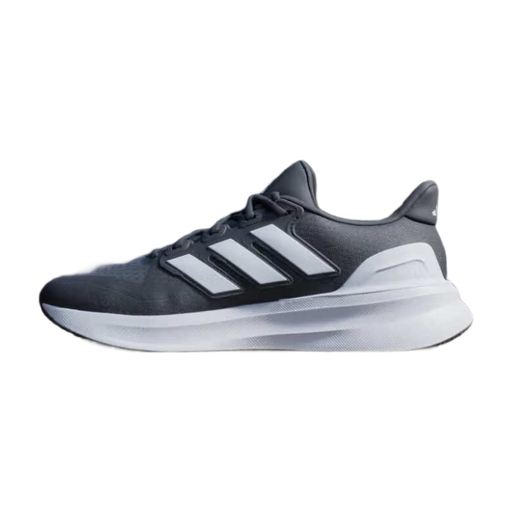
Why it suits this type of runner: This model is designed for everyday runs and recreational use, with a mesh upper, a Bounce 2.0 midsole and a regular fit.
The product details name specific materials and an Adiwear outsole designed to improve grip, rather than making only a general claim about comfort.
Mesh upper, Bounce 2.0 cushioning, OrthoLite insole according to the product description, and a regular fit.
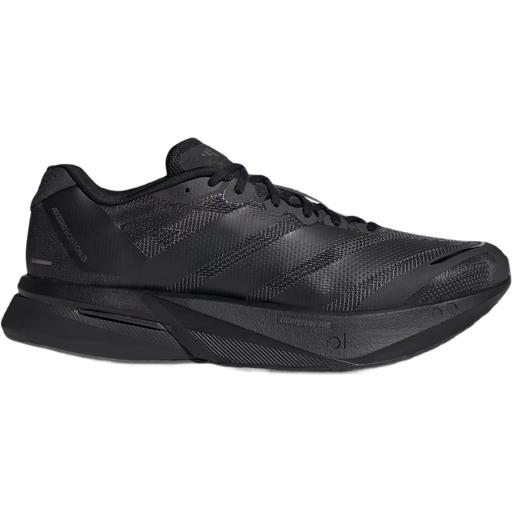
Why it suits this type of runner: According to Adidas, this model is designed for intensive training and race preparation, with a lightweight construction and responsive midsole.
The specifications list Lightstrike Pro, ENERGYRODS and a Lighttraxion outsole with Continental Rubber. That makes it easier to compare the shoe for your needs.
Textile upper, breathable construction, ENERGYRODS and rubber outsole with specified grip components.

Why it suits this type of runner: A practical choice for runners who switch between roads, gravel and unpaved trails, and value breathable materials and grip.
The product description lists a ROCKYTEC rubber outsole, sandwich mesh and a choice of standard or slim fit. Be sure to check the exact version, though.
Lightweight sandwich mesh, EVA midsole, durable upper and a sole for mixed terrain, according to the product details.
We’ve put together a complete, up-to-date list of products that meet these strict selection criteria and comply with the applicable European safety regulations.
Their lifespan depends on your body weight, how often you run, the terrain, how well you look after them and how much the sole has worn. Don’t go by the calendar alone. Replace a pair when the tread is visibly smooth, the midsole has compressed permanently or the upper no longer fits properly. If you run on roads often, you may see wear sooner than someone who alternates between softer trails.
Look for a wide toe box, a standard fit with enough room or a model available in several widths. According to the product description, the LI-NING YUEYING 6 is available with a wide toe box and a wider heel construction. If you have a wide forefoot, going up half a size may give you extra room, but always check the sizing and foot-length details for the specific product.
They can be, as long as the cushioning, fit and outsole suit your route. Lightweight running shoes are a good choice for tempo and interval training, but a slightly firmer model may be more practical for everyday road running, longer distances or mixed terrain. So compare the overall weight with the level of support and grip, rather than simply choosing the lightest pair.
