
Vandaag of morgen in huis

Kwaliteit gegarandeerd

Welkomstaanbiedingen ontgrendelen: GRATIS bezorging | Tot 80% korting | Gratis 30 dagen JoyPlus-proefperiode
Download de app
As a Product Recommendation Officer at Joybuy, I see people struggle with purchasing new running gear every day. The market is flooded with marketing jargon and features that sound impressive but add little value in practice. The result? You either overpay for something you don't need, or you buy equipment that needs replacing after just a few months. Let's cut through the noise and focus on what really matters.
Before you pull out your wallet, here are three pitfalls to avoid:
To avoid buyer's remorse, focus on the specifications that truly matter. These are the objective features that determine the quality and usability of your running gear.
A modern running watch is more than just a stopwatch. Its two most important features are the GPS and the heart rate monitor.
sports smartwatch gives you insight into your effort and recovery.Your shoes are your most important point of contact with the ground. The right choice depends on your running style and the terrain.
To help you make the right choice, we've matched several products to specific user profiles.
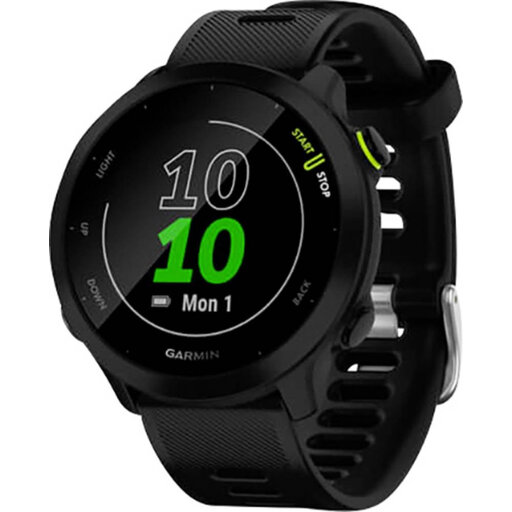
Why This Fits Their Persona: Ideal for those just starting their running journey who want reliable, straightforward data. This watch offers all the essential features without the complexity and cost of a high-end model. Perfect for your first 5k or 10k.
You're not paying for superfluous "pro" features. It focuses on what counts: accurate GPS, heart rate monitoring, and daily workout suggestions.
User-friendly with reliable GPS and a long battery life (up to 2 weeks in smartwatch mode). Includes PacePro technology to help you plan your pace.
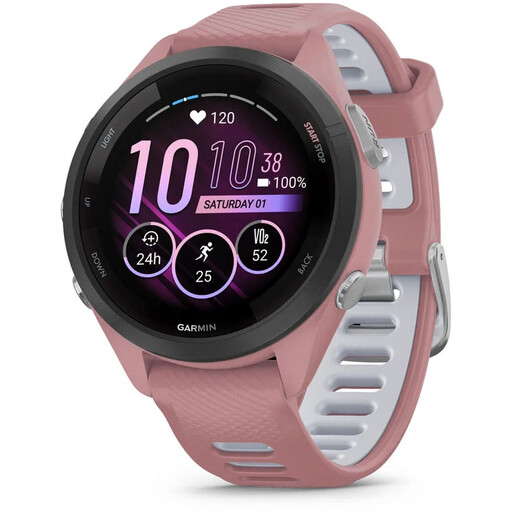
Why This Fits Their Persona: For the runner who wants to analyse and improve their performance. This watch offers in-depth metrics like VO? max, training status, and running dynamics, all presented on a vibrant AMOLED screen.
It tackles the inaccurate GPS pitfall with Multi-band GNSS for superior precision. The advanced features are practical and focused on performance improvement.
Pin-sharp AMOLED touchscreen, highly accurate GPS, and advanced training features. Includes music storage and Garmin Pay for contactless payments.
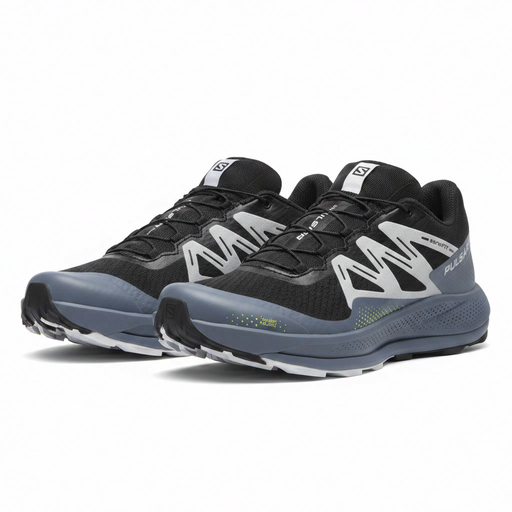
Why This Fits Their Persona: Specifically designed for runners who leave the paved roads behind. This shoe provides the grip, protection, and responsive cushioning needed for speed and comfort on unpredictable forest paths and hills.
This is not a standard shoe. It's a purpose-built trail running shoe that shatters the "one-size-fits-all" myth by offering specific features for off-road terrain.
The combination of Energy Foam and an Energy Blade plate provides propulsion and a smooth transition. The 3.5 mm lugs offer reliable grip.
We have compiled a complete, up-to-date list of products that fully meet these strict selection criteria.
As a general guideline, running shoes last between 500 and 800 kilometres (about 300-500 miles). However, this depends heavily on your running style, weight, and the surfaces you run on. Look for visible wear on the outsole and a "dead" or less responsive feel in the cushioning. These are signs it's time for a new pair.
Not necessarily. A more expensive watch often has extra features like built-in maps, music storage, or premium materials like titanium. For the core functionality—accurately tracking your distance, pace, and heart rate—a good mid-range model is often more than sufficient. Determine which features add personal value for you and base your choice on that, rather than on price alone.
Yes, this is possible with a growing number of models. Features like Garmin Pay or Zepp Pay use the watch's built-in NFC chip. This allows you to pay by holding your wrist near a payment terminal. Always check the watch's specifications and its compatibility with your bank before making a purchase.
