
Vandaag of morgen in huis

Kwaliteit gegarandeerd

Welkomstaanbiedingen ontgrendelen: GRATIS bezorging | Tot 80% korting | Gratis 30 dagen JoyPlus-proefperiode
Download de app
A sports backpack might seem easy to choose at first. But many buyers are drawn to a large logo, an attractive colour or a claim such as “waterproof” without checking the capacity, fit and compartments. After a few weeks, they may find the bag is too small, uncomfortable or less resistant to rain than expected.
When choosing a backpack for sport, watch out for these three common pitfalls:
For a gym backpack or one for everyday use, 20 to 25 litres is often a practical size. That gives you room for clothes, a water bottle, a towel and small accessories. According to the product information, the Joma Training III has a capacity of 24.2 litres and measures 48 × 35 × 24 cm.
For running, cycling or a short walk, a compact model is more convenient. The Salomon Cross 12 has a capacity of 12 litres and, according to the product information, is suitable for day hikes and trail running. For a walking or trekking backpack for several days, you’ll need considerably more space. A 40-litre model, for example, is designed to carry larger quantities of clothing and camping gear.
As well as the capacity in litres, check:
Polyester and polyamide are often used to make lightweight backpacks. Polyester is relatively easy to clean, and product information for various models associates it with everyday use and splash protection. Polyamide is known for being lightweight and hard-wearing, but the level of protection also depends on the coating, zips and seams.
Check the exact wording:
According to the product information, the LI-NING 16L backpack is splash-resistant, not waterproof. The LI-NING 39L sports bag also has a water-repellent finish, but shouldn’t be exposed to heavy rain for long periods. If you cycle or walk in changeable British weather, a separate rain cover could be a sensible addition.
A sports backpack should work with your clothes and shoes, but it should also feel comfortable on the walk to the gym or station. Padded shoulder straps, a padded back panel and adjustable straps are features you can check for to help support carrying comfort.
For more vigorous activity, stability and quick access are important. A running backpack with a chest strap will generally stay in place better than a standard school backpack. Look for reflective details too if you’re out early or late. According to the product information, the Salomon Cross 12 has a reflective buckle. Bottle pockets on the shoulder straps and compatibility with a 1.5-litre hydration system make this type of bag well suited to outdoor activities.
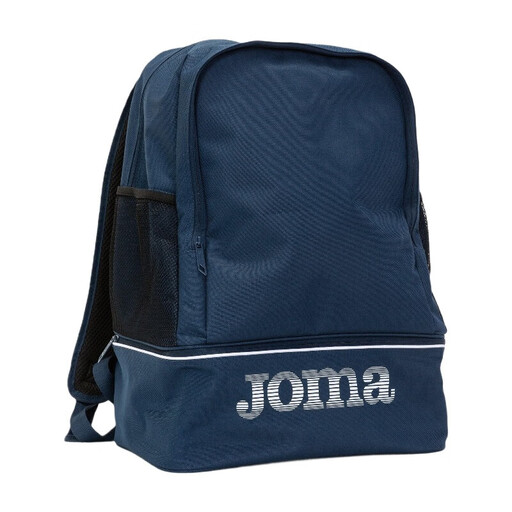
Why it suits this profile: With a capacity of 24.2 litres, this sports backpack has room for sportswear, everyday essentials and accessories without being as large as a trekking backpack.
The listed capacity and dimensions give you a clear idea of how much space is available. It has a front pocket and an internal compartment, but check whether that’s enough for your shoes and wet clothes.
24.2-litre capacity, 100% polyester according to the product information, a double-bottom compartment and padded shoulder straps.
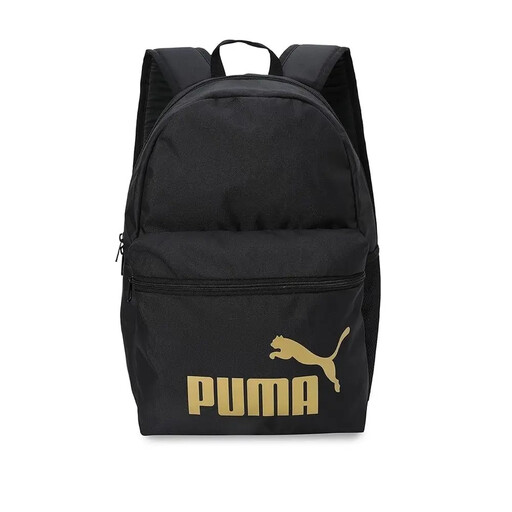
Why it suits this profile: This unisex model is designed for adults and older children who want one backpack for school, work, sport and everyday travel.
Its 22-litre capacity is clearly stated, along with the main compartment, front pocket and side pocket. That lets you compare the layout instead of judging the bag on looks alone.
22-litre capacity, dimensions of 44 × 30 × 14 cm, a padded back panel and adjustable shoulder straps according to the product information.
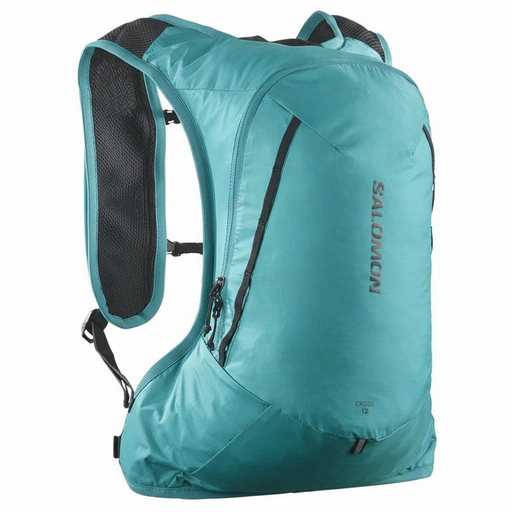
Why it suits this profile: According to the product information, this compact walking backpack is designed for day hikes and trail running, where stability and quick access are important.
Its 12-litre capacity means you don’t have to carry an unnecessarily large bag for a short activity. The chest straps and padded back panel are designed to provide a stable fit.
12-litre capacity, compatibility with a 1.5-litre hydration system, shoulder strap pockets and a reflective buckle according to the product information.
A backpack with a shoe compartment is handy if you want to keep your trainers separate from your clothes. For the gym, swimming or a short trip, a larger sports bag with a wet compartment may be more practical than a standard backpack. For these models, check whether the shoe compartment is ventilated and whether the main compartment still has enough room when it’s full.
For commuting, a travel backpack with a laptop sleeve and document compartment makes more sense. If you mainly go on easy walks, a foldable backpack could be a good choice. Check its weight and capacity, and remember that a water-repellent nylon bag won’t replace protection from prolonged rain.
We’ve put together a complete, up-to-date list of products that meet these strict selection criteria and the applicable European safety regulations.
For everyday use or the gym, around 20 to 25 litres is often practical. For running and short walks, 10 to 15 litres may be enough. A trekking backpack for several days usually starts at around 40 litres, depending on how much sleep gear and clothing you need to carry.
A water-repellent backpack can cope with light rain and splashes, but it won’t necessarily keep everything dry in prolonged rain. Use a rain cover in poor weather, or choose a model with clearly specified waterproofing, seams and closures.
Its lifespan depends on the load, material, zips and how well you look after it. Don’t overfill the bag, clean off dirt according to the product instructions and let a wet backpack dry completely. Check the warranty information before you buy. In many cases, consumers in the EU have a statutory warranty of at least two years, although the precise rights depend on the circumstances.
