
Vandaag of morgen in huis

Kwaliteit gegarandeerd
Download de app
Categorieën

A standard smartphone often can't withstand the conditions on a construction site, during a transport run, or on an adventurous hike. A single drop or an unexpected downpour can lead to a costly repair or the need for a complete replacement. A rugged smartphone is designed to endure these challenges. This type of phone, also known as a work phone or outdoor smartphone, offers a robust solution for anyone who demands greater durability and reliability from their device.
In this guide, we'll explain what to look for when making a purchase and present a selection of models based on their specifications.
The market for rugged phones is diverse. To find a model that suits your needs, it's helpful to check the following specifications.
IP Certification (Water and Dust Resistance): The IP (Ingress Protection) rating indicates how well a device is protected against dust and water. An IP68 certification means the device is completely dust-tight and can be submerged in water up to 1.5 metres deep for 30 minutes. IP69K adds protection against high-pressure, high-temperature water jets, which is useful in industrial environments. A waterproof smartphone with one of these ratings is a solid starting point.
Military Standards (Shock Resistance): A shockproof phone often complies with the MIL-STD-810H standard. This is a series of tests used by the U.S. military to measure the durability of equipment. A device with this certification has been tested for resistance to drops, shocks, vibrations, and extreme temperatures.
Battery Capacity (mAh): Professionals and adventurers are often away from a power outlet for extended periods. A phone with a large battery is therefore essential. Capacity is measured in milliampere-hours (mAh). While a standard smartphone often has around 5,000 mAh, rugged models frequently offer 10,000 mAh or more, resulting in multi-day battery life.
Display and Build: The construction is crucial. Many rugged smartphones use reinforced materials like TPU (thermoplastic polyurethane) and polycarbonate. The screen is often protected by Corning Gorilla Glass, which offers increased resistance to scratches and cracks.
Below is a selection of rugged smartphones, chosen based on their technical specifications and features.
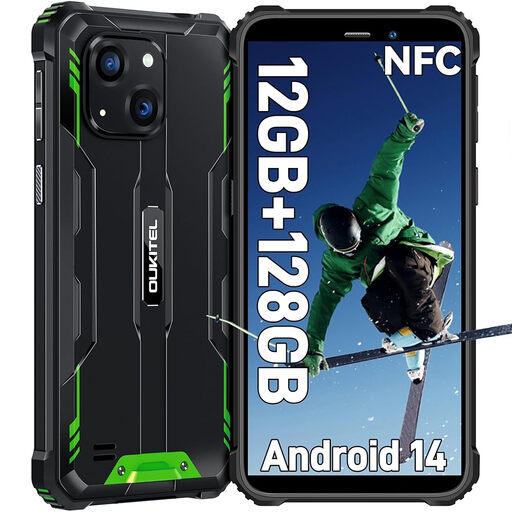
Why this product: The OUKITEL WP32 is a functional and accessible work phone. The device combines essential ruggedness with solid battery life and modern software (Android 15), without unnecessary frills.
Advantages:
Who is this for: This model is a practical choice for professionals in construction or logistics who need a reliable and durable communication tool that handles the core functionalities well.
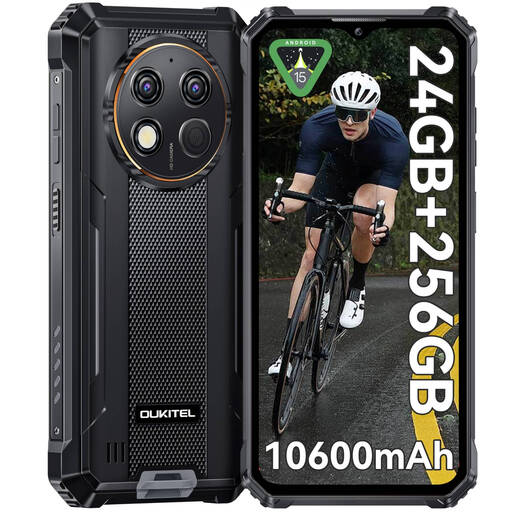
Why this product: The OUKITEL G1 offers a significant upgrade in battery capacity and storage space. The device complies with the MIL-STD-810H standard, which implies a higher degree of shock resistance.
Advantages:
Who is this for: Ideal for outdoor enthusiasts, truck drivers, and technicians who spend long periods without charging access and need a device that can withstand serious impacts.
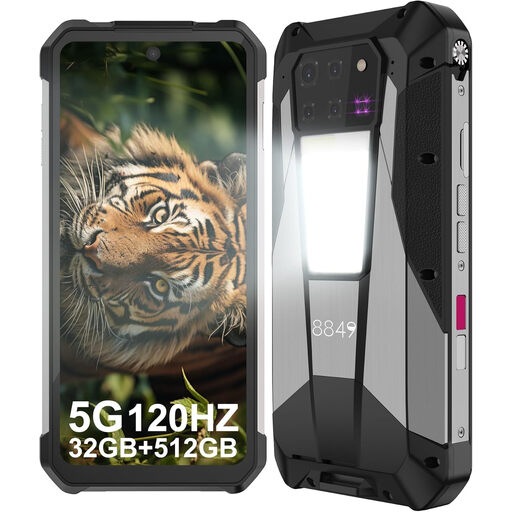
Why this product: The Unihertz Tank 3 Pro is a so-called 'unbreakable phone' that takes specifications to an extreme level. With a built-in projector, a gigantic battery, and a powerful processor, this is more of a multi-functional tool than just a smartphone.
Advantages:
Who is this for: This model is aimed at the user who demands the absolute most. Think of off-grid adventurers, emergency responders, or professionals who need to give on-site presentations and require an extremely durable and multi-functional device.
The world of rugged smartphones is broad and diverse. The models listed above represent different segments, from practical and functional to extreme and multi-featured. If your ideal device isn't among them, or if you want to compare more options based on specific features like processor power, screen size, or 5G support, you can browse our full range.
View all rugged smartphones here
1. What is the difference between IP68 and IP69K? IP68 guarantees that a phone is dust-tight and resistant to submersion in water (typically 1.5 metres deep for 30 minutes). IP69K adds an extra layer of protection: the phone is also resistant to cleaning with high-pressure, high-temperature water. This is particularly relevant in industrial or hygienic environments where equipment must be cleaned thoroughly.
2. Are rugged smartphones truly unbreakable? Although terms like 'unbreakable phone' are often used, no phone is completely indestructible. However, rugged smartphones are significantly more resistant to drops, water, dust, and shocks than standard models, thanks to their reinforced casings, protected glass, and certifications like IP68 and MIL-STD-810H. They are designed to minimise the risks of a demanding environment, but extreme conditions can still cause damage.
3. Are rugged smartphones also suitable for everyday use? Yes, absolutely. Although they are bulkier and heavier than the average smartphone, they run on standard operating systems like Android. This means you can use the same apps as on a regular device. The extended battery life and durability can also be a major advantage for the everyday user who simply wants a reliable phone.